Seamless Aluminum Tube
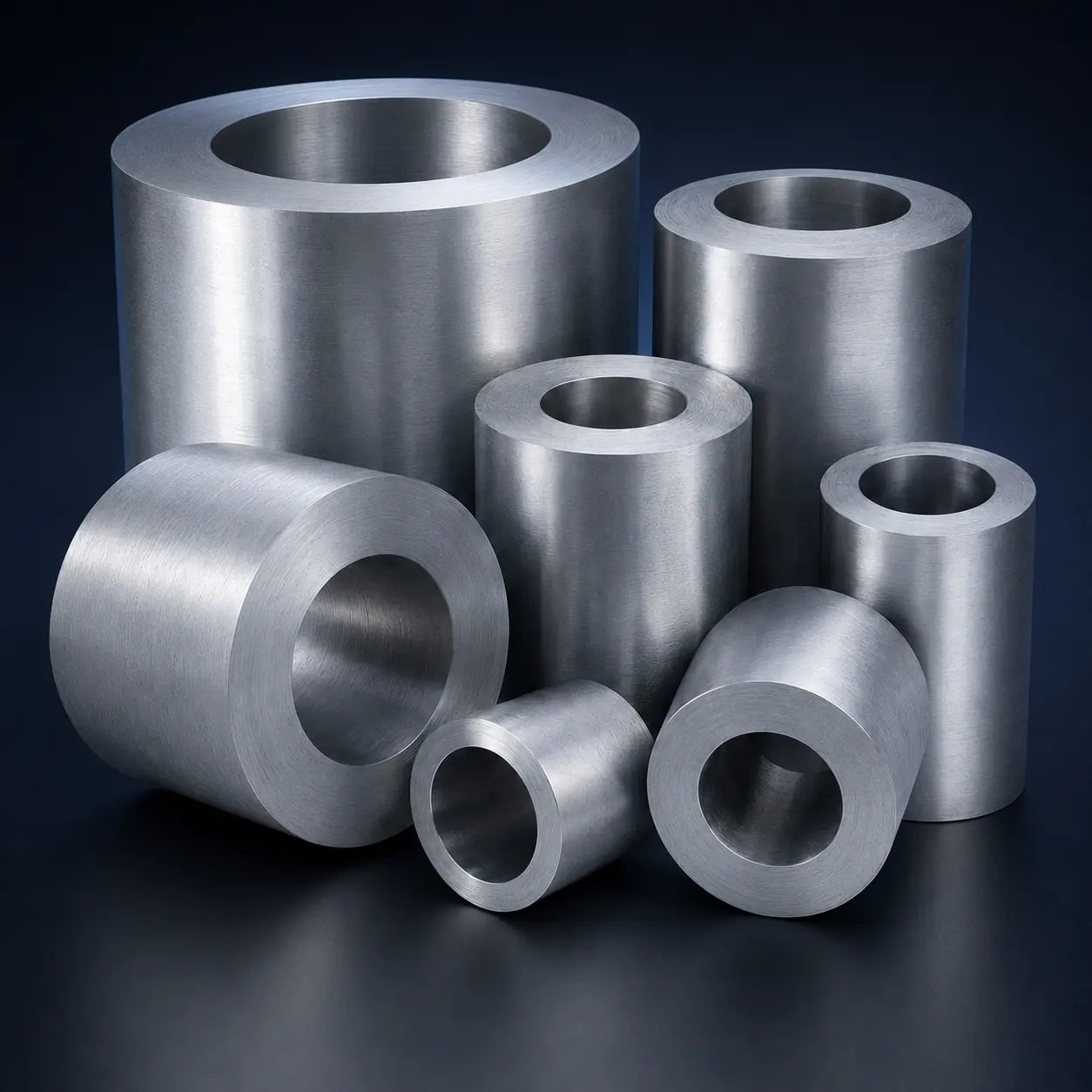
Thin wall · Thick wall · Hollow stock
Capabilities / Aluminum Manufacturing
ALUMINUM MATERIALS MANUFACTURING
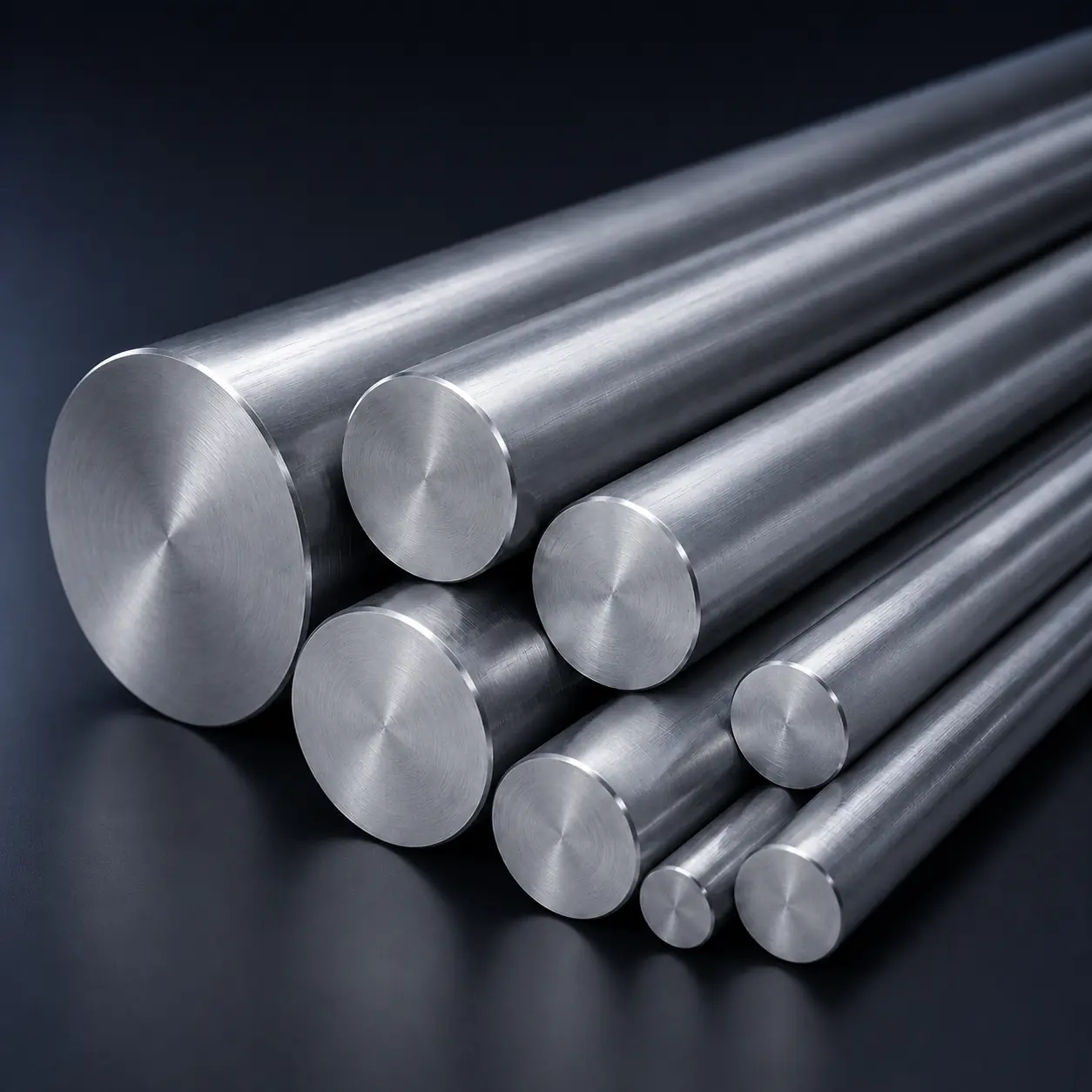
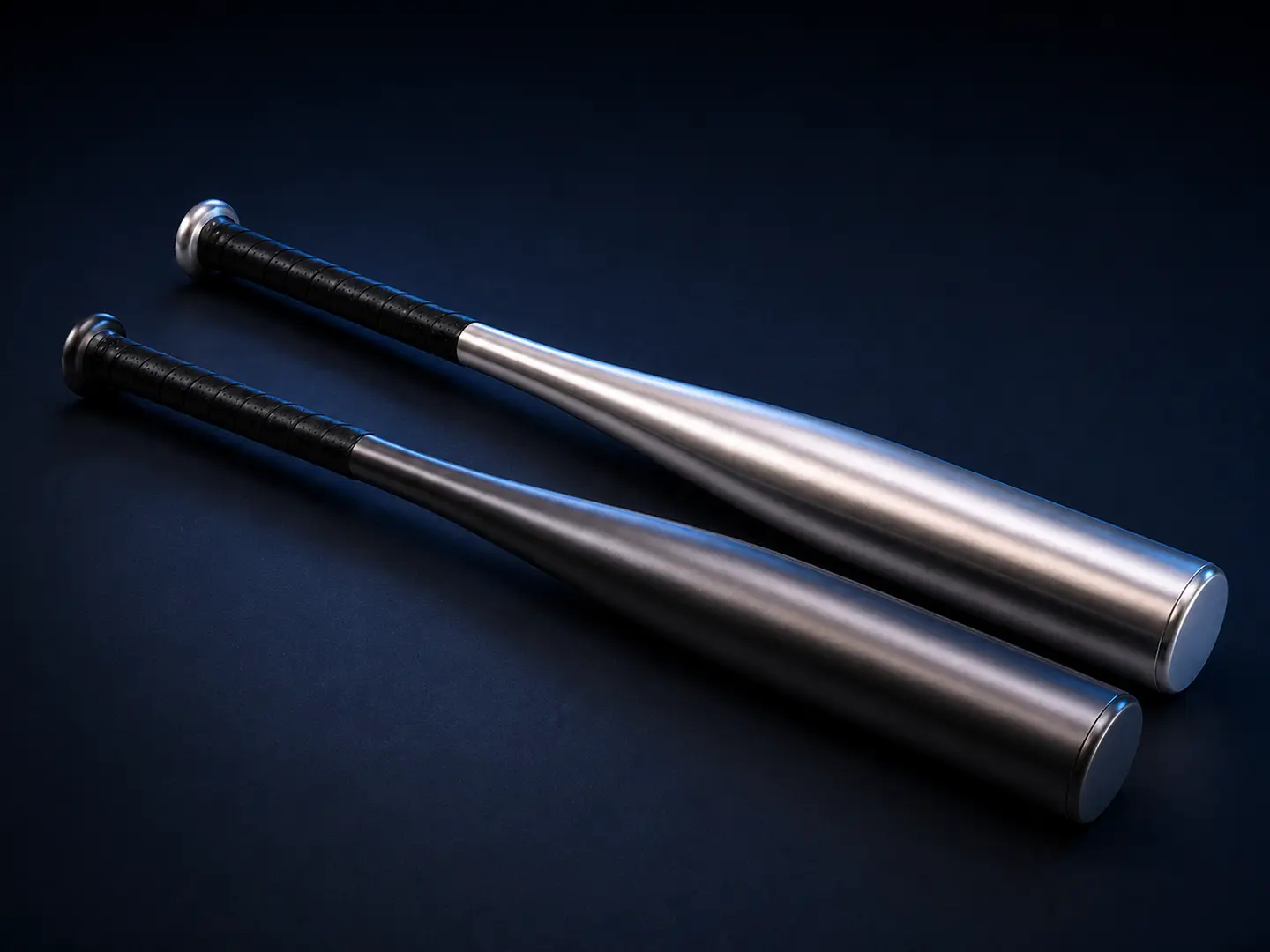
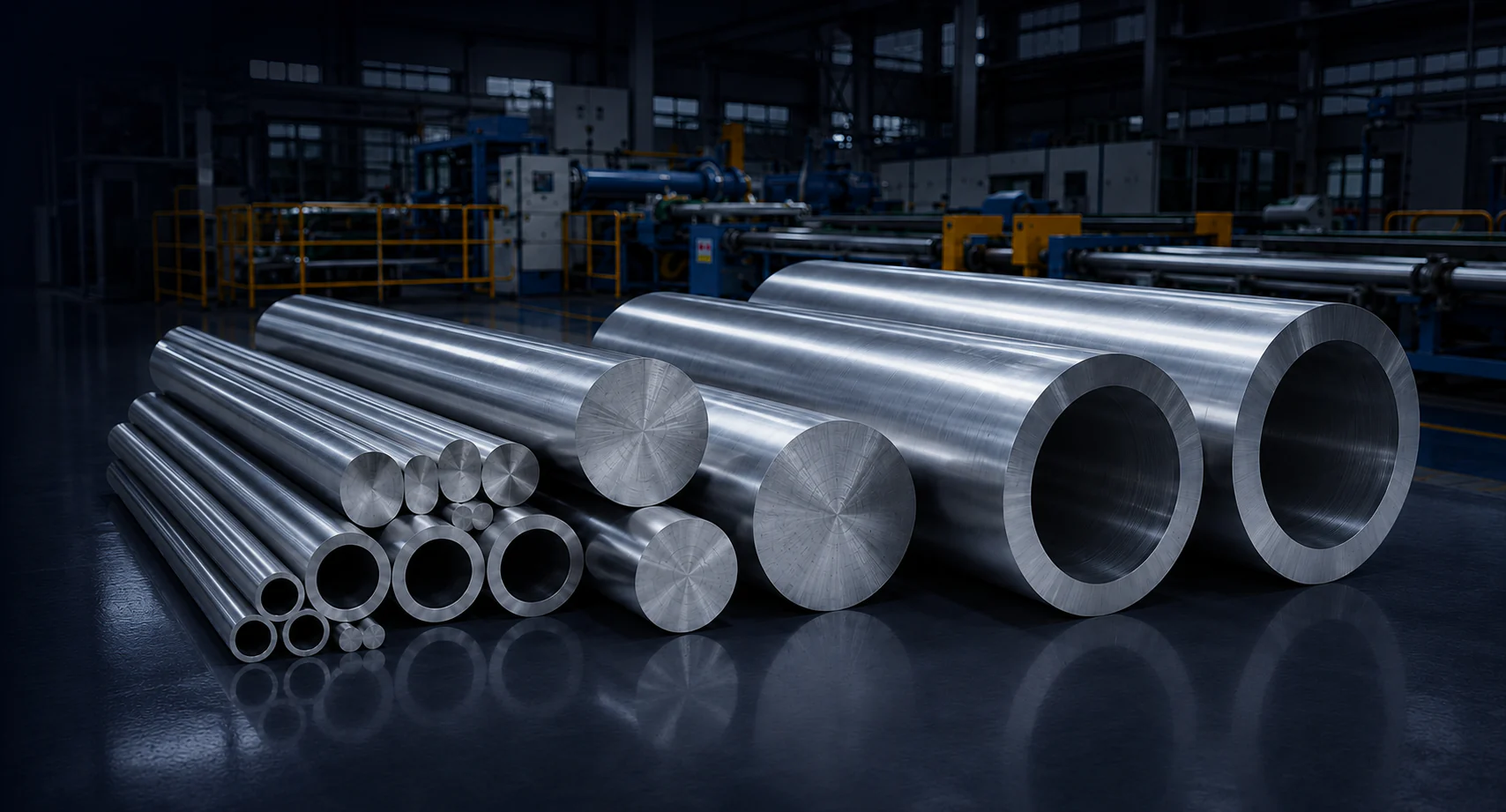
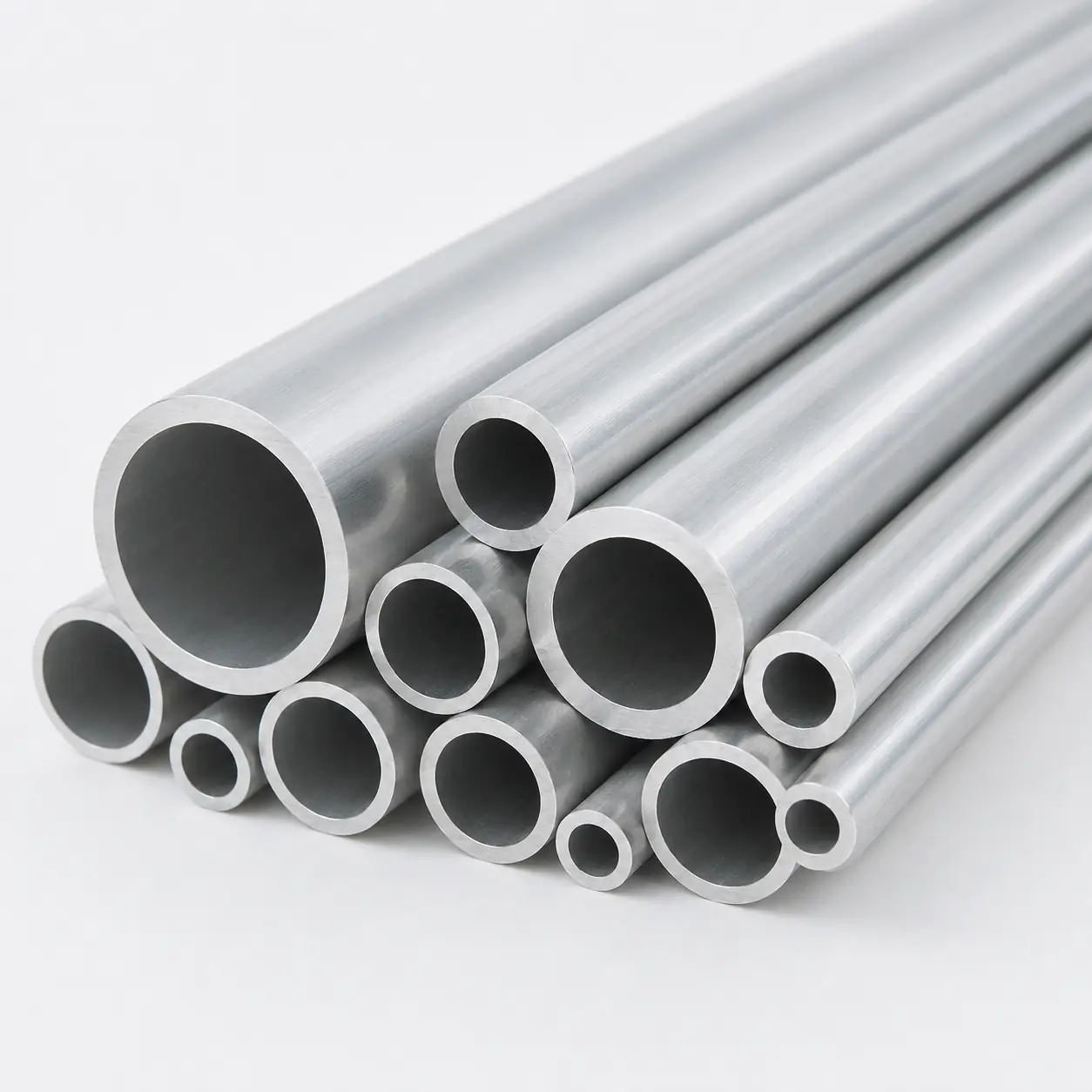
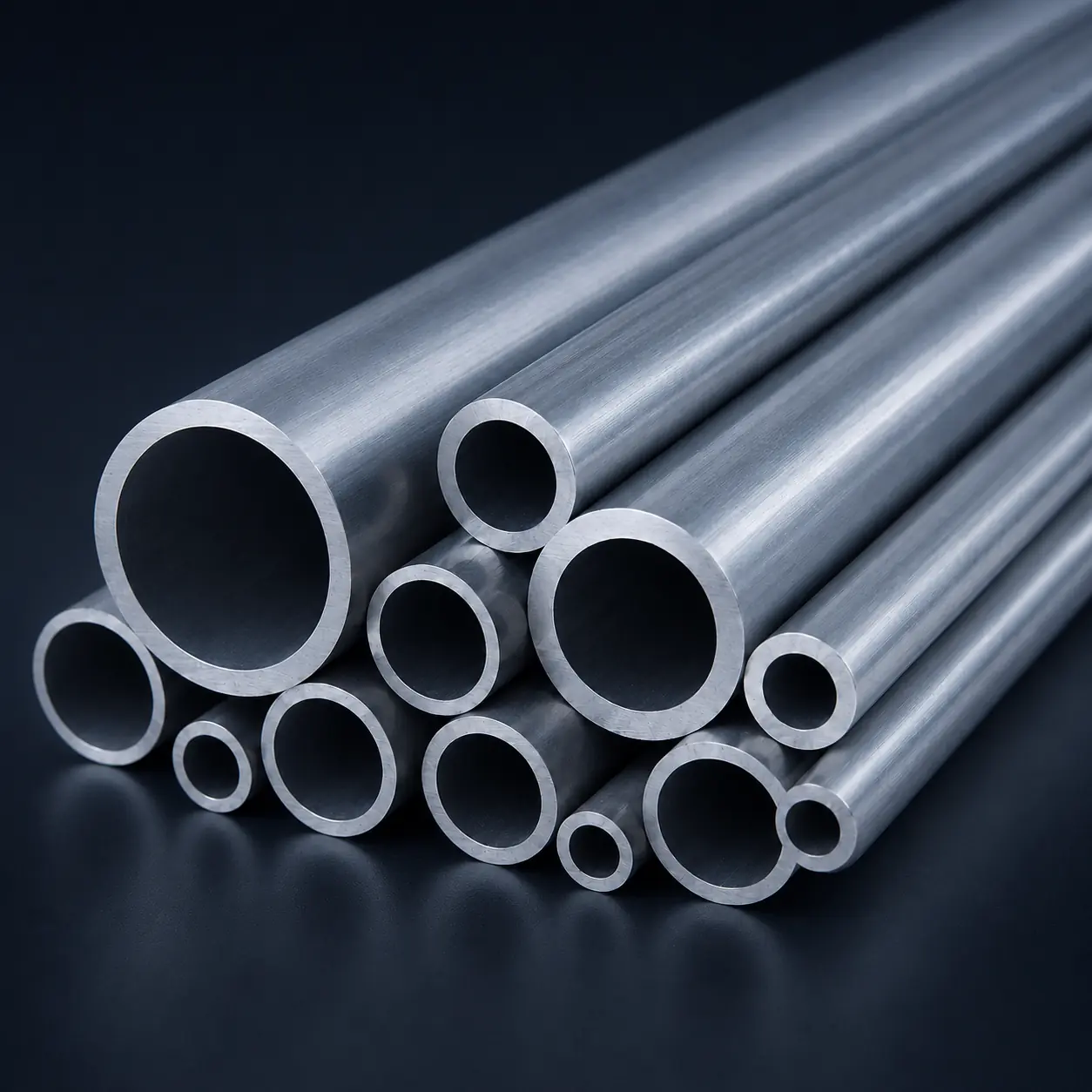
Through an upstream aluminum manufacturing facility backed by Zhongde, we supply 5056, 6061, 6063 and 7075 seamless tubes and solid bars, covering reverse extrusion, heat treatment, finishing and cut-to-length delivery, with downstream precision machining support.
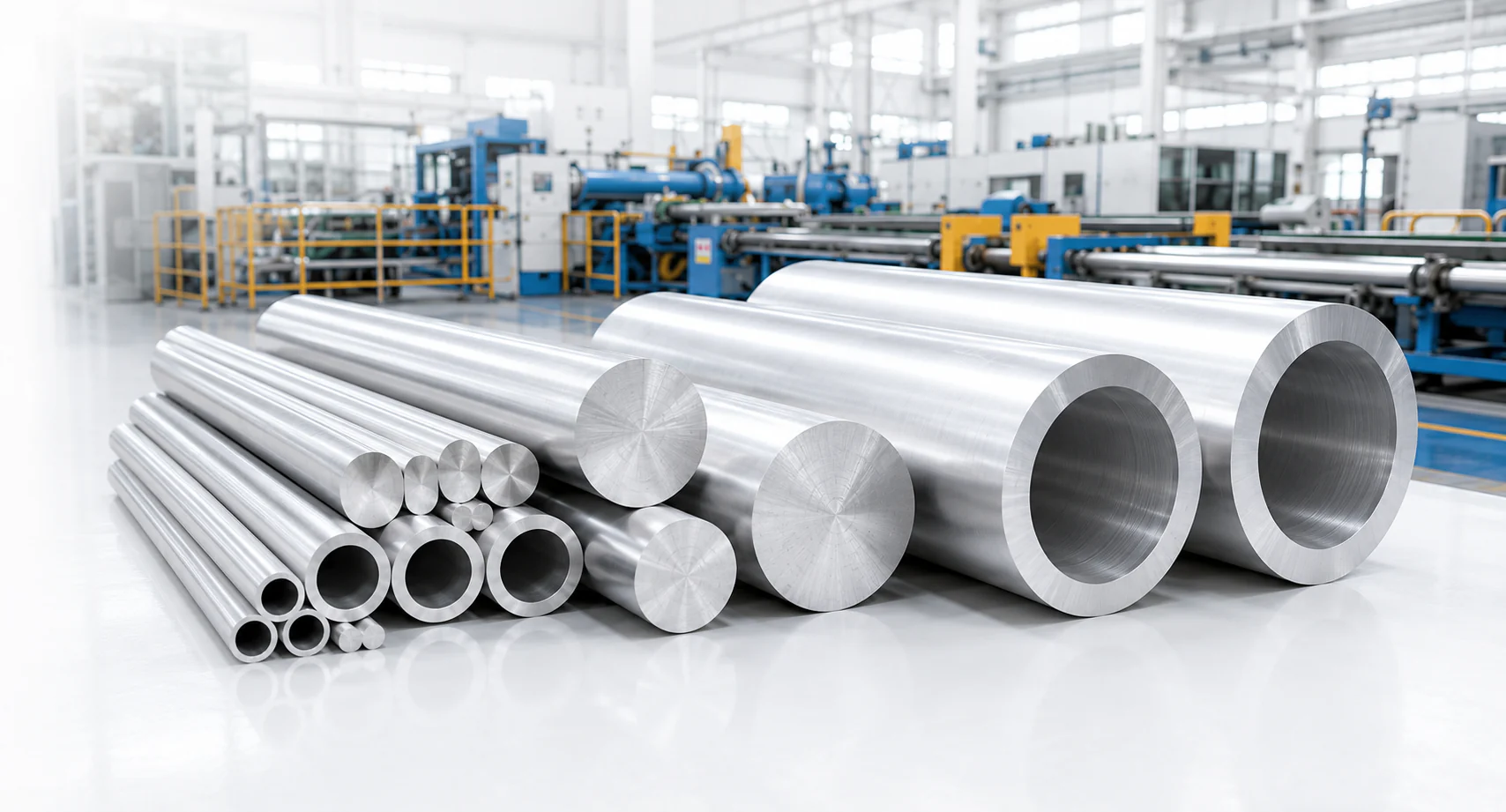
Uniform structure · Properties
Thin wall · Thick wall · Hollow stock
Finishing · Cut to length
T4 · Artificial aging
Straightening · Centerless grinding
Chemistry · Mechanics · Dimensions
ALUMINUM MANUFACTURING OVERVIEW
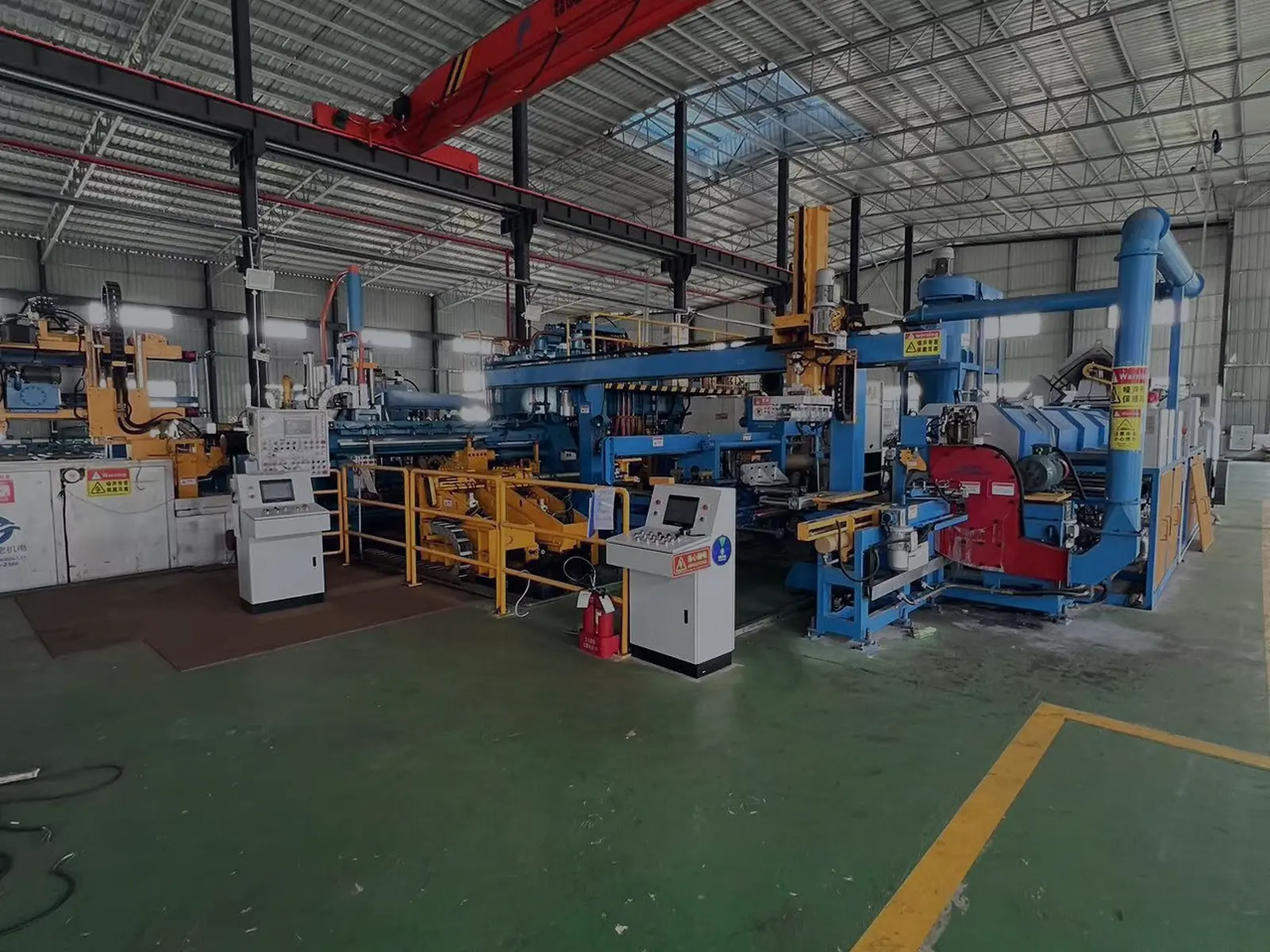
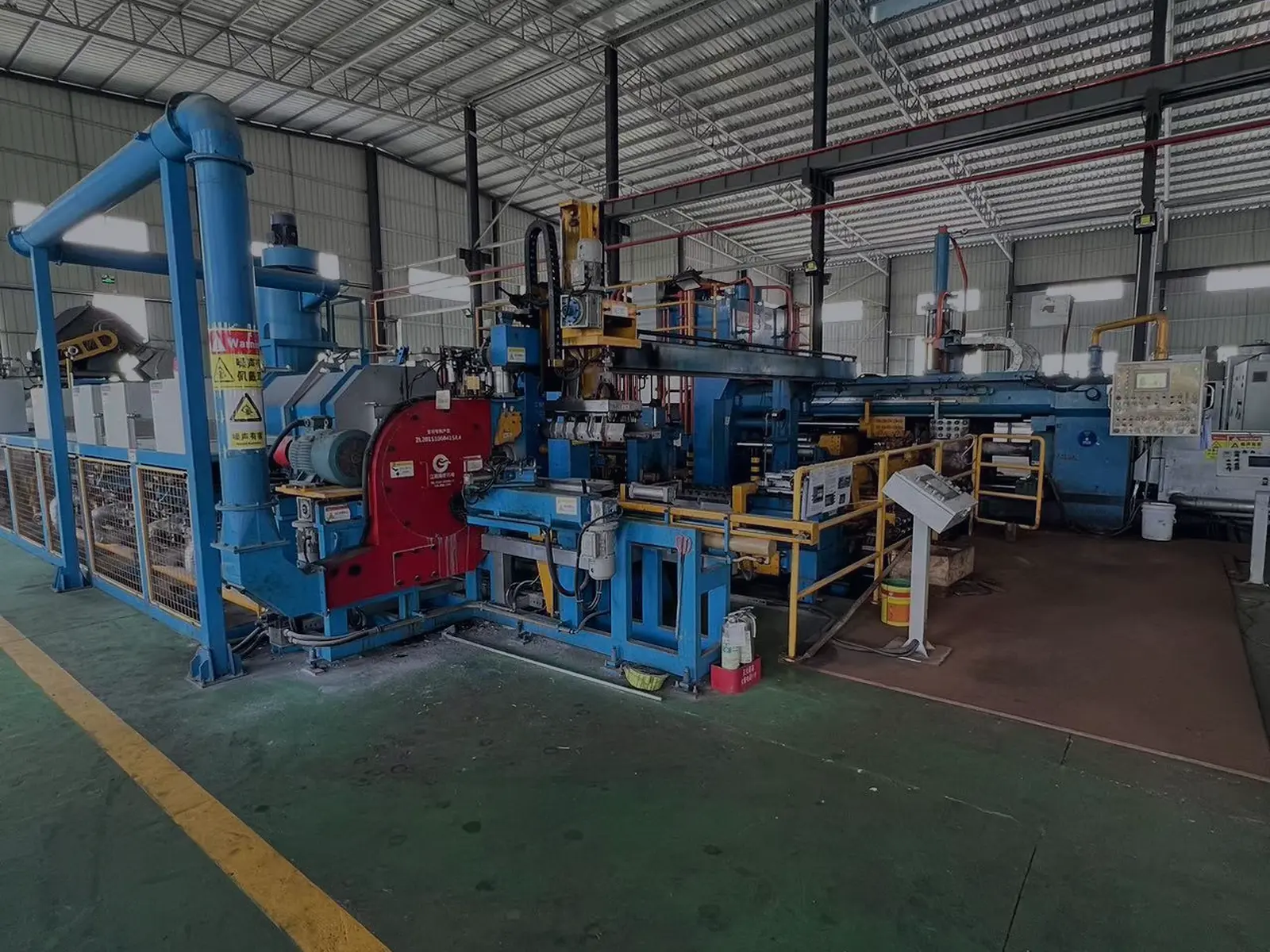
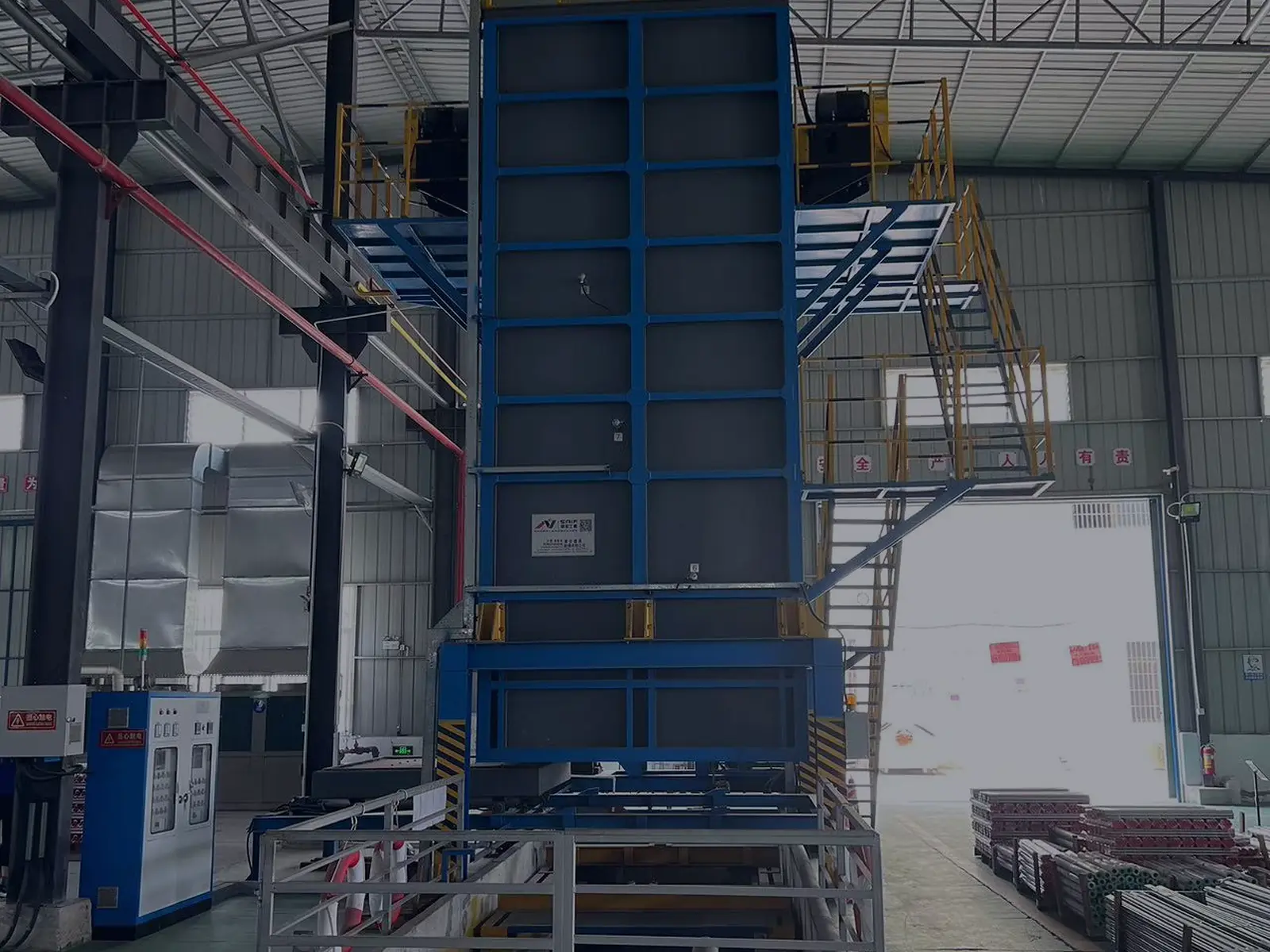
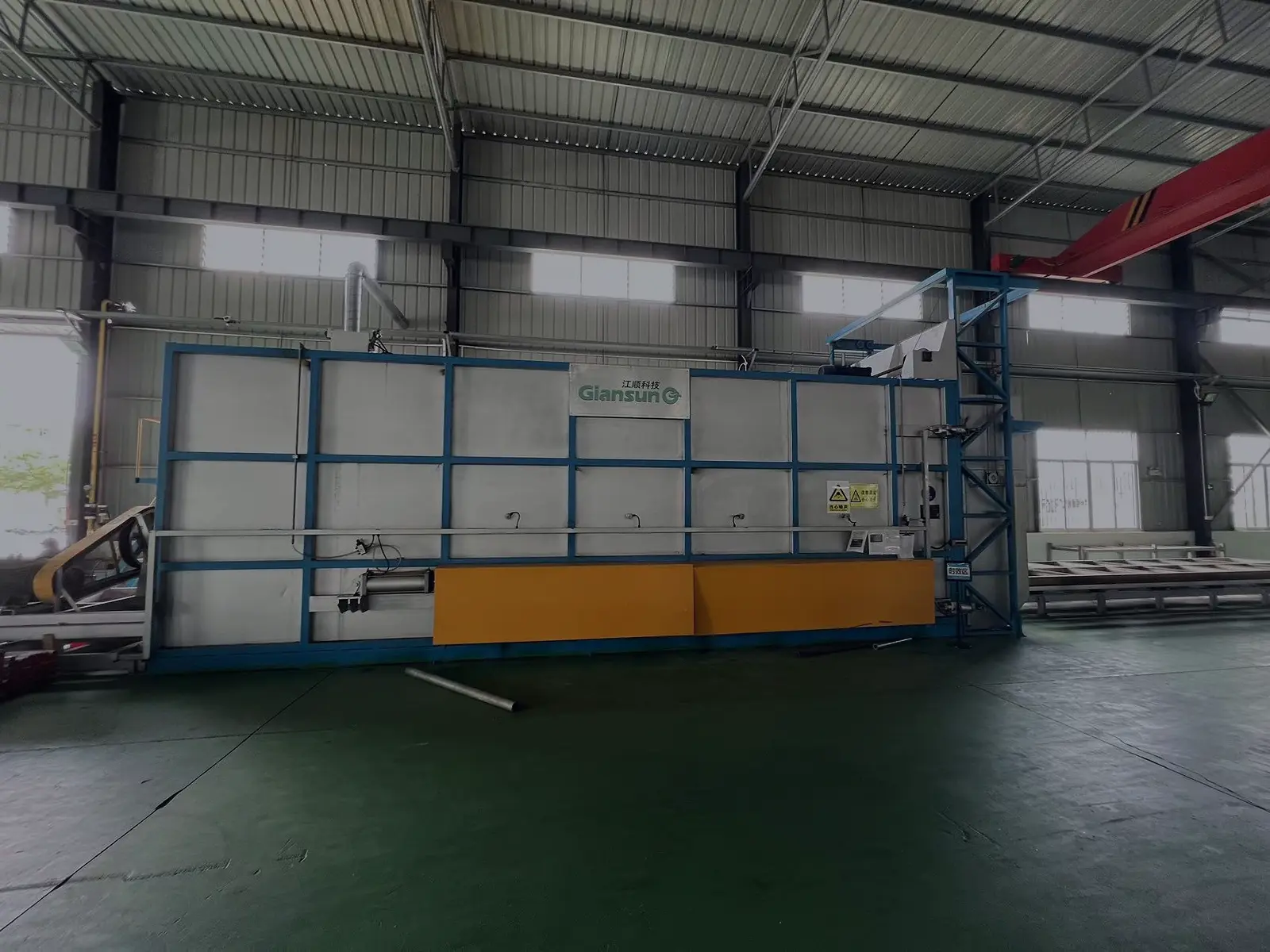
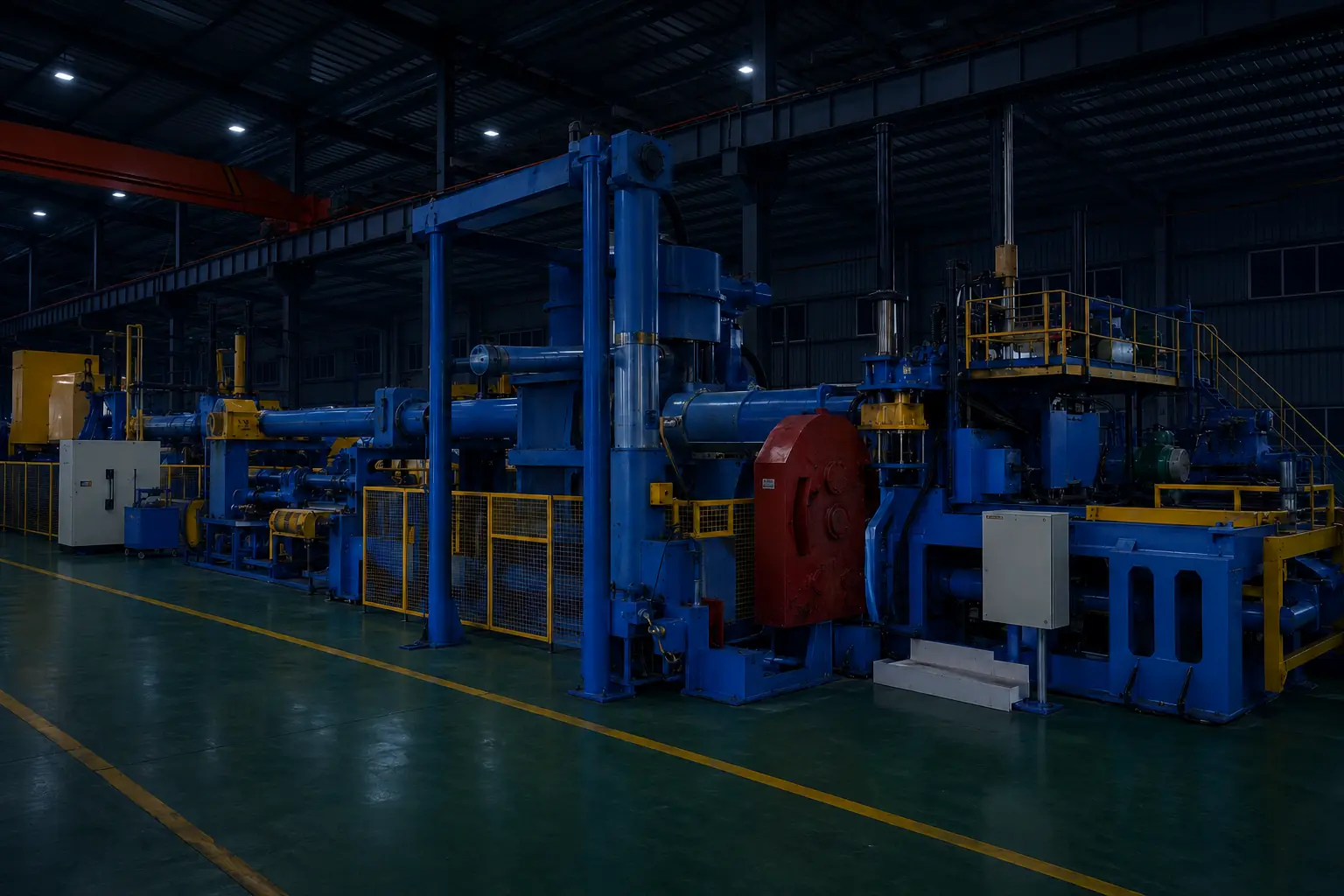
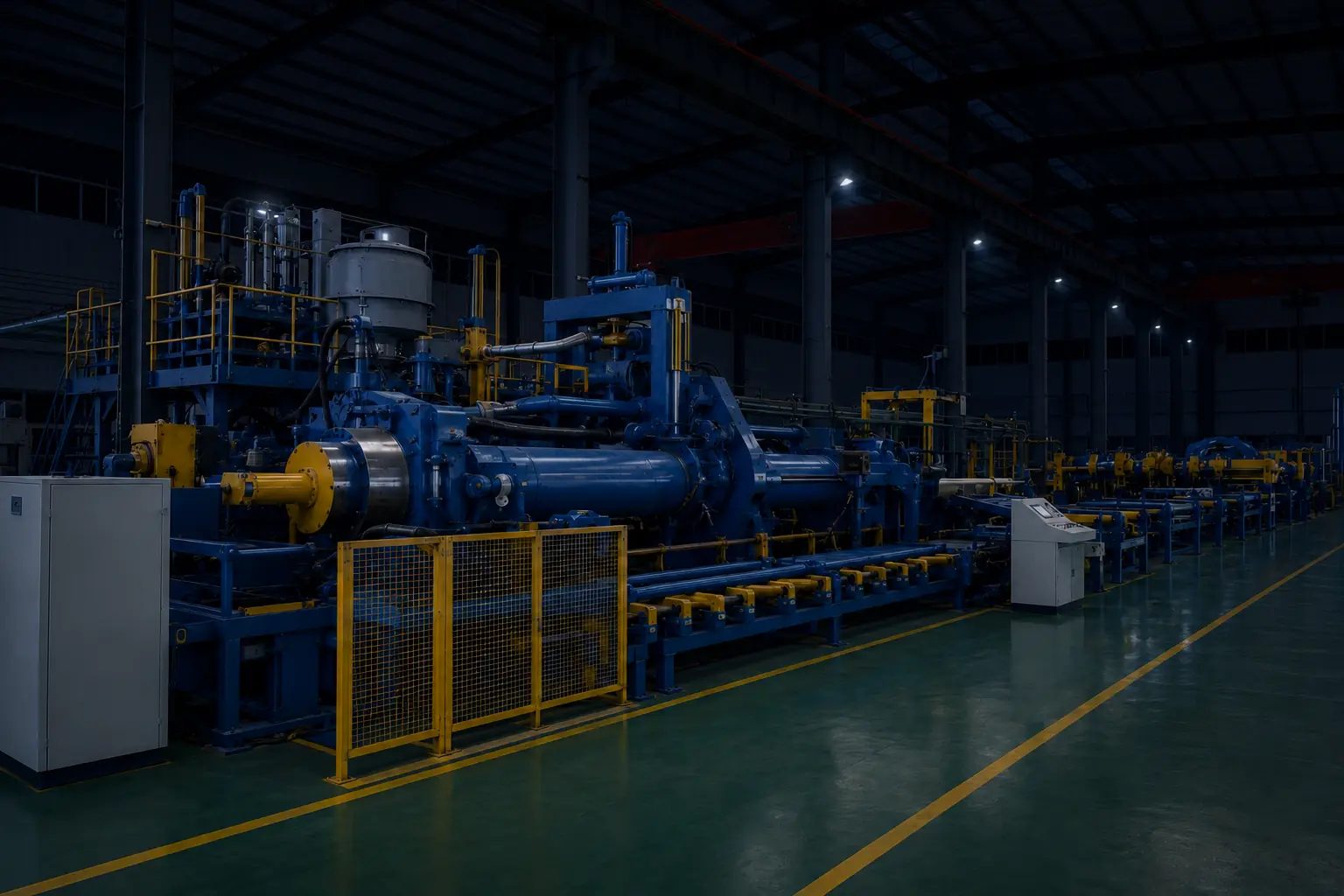
Through an upstream aluminum manufacturing facility backed by Zhongde, we provide an integrated route from billet heating and reverse extrusion to T4 and aging treatment, finishing and cut-to-length preparation.
The resulting seamless tubes and solid bars can move directly into Zhongde's CNC machining, surface finishing, dimensional inspection and assembly operations, shortening the coordination path between material sourcing and part production.
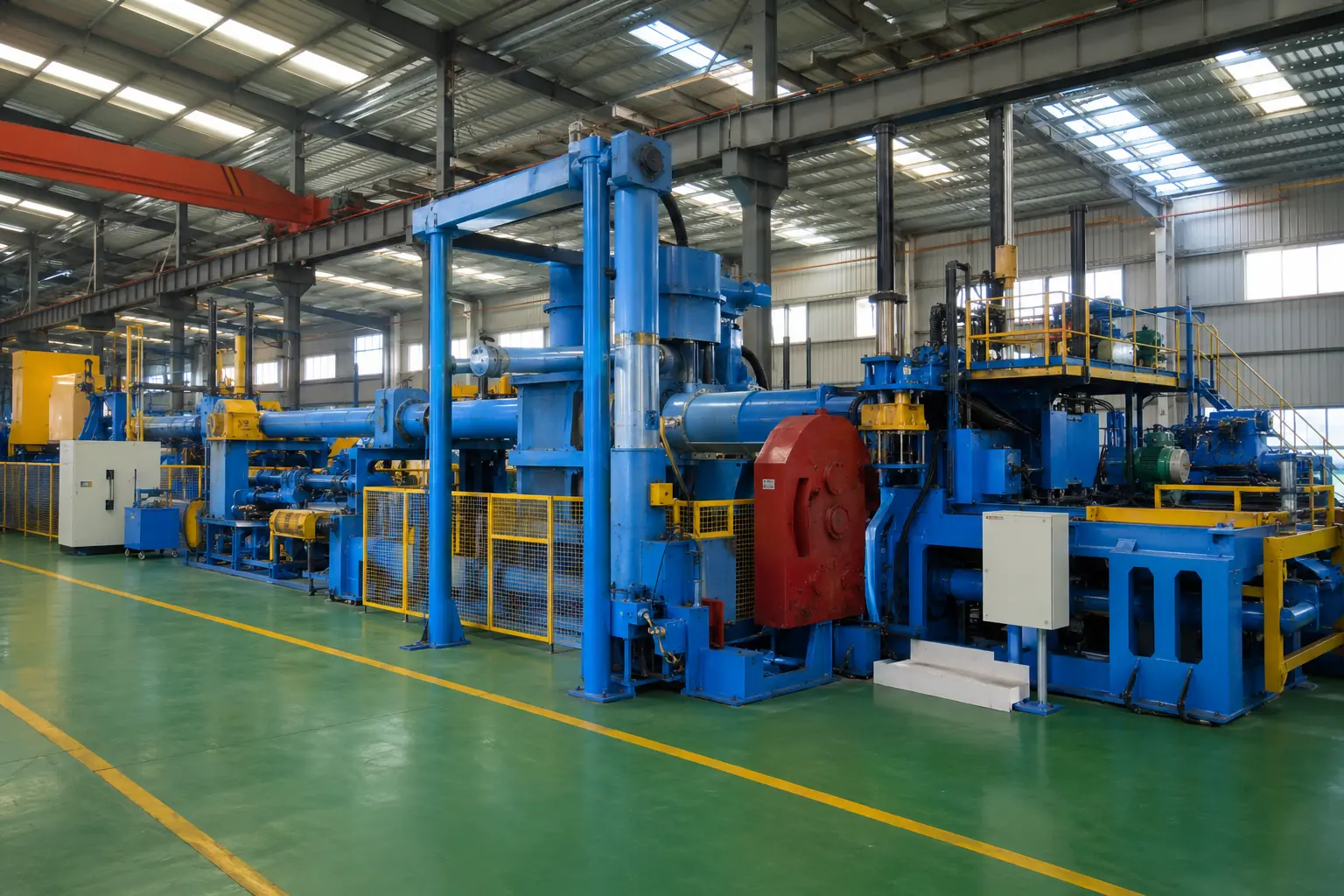
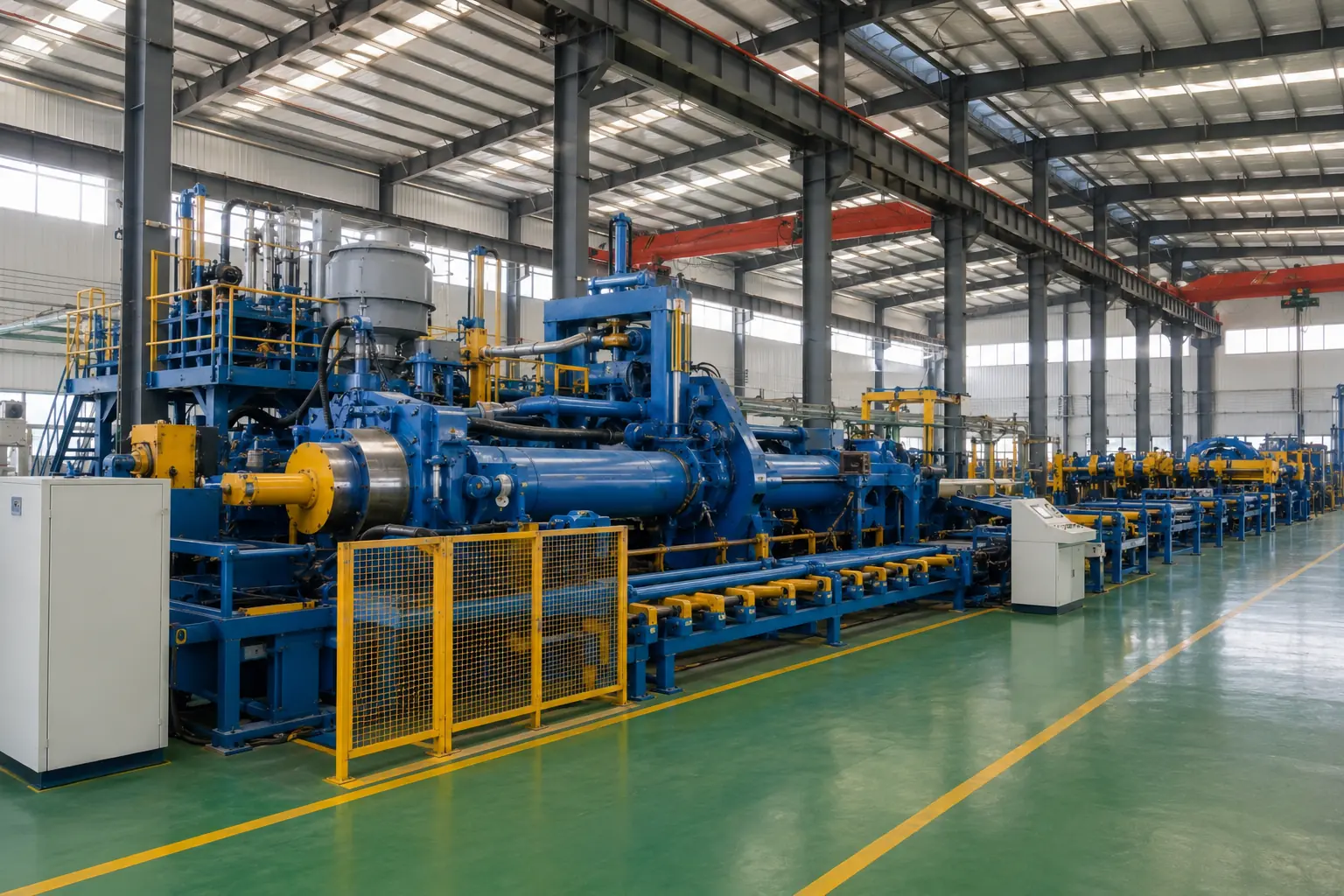
1,100T
Reverse extrusion line
1,800T
Reverse extrusion line
5056 / 6061 / 6063 / 7075
Common aluminum alloys
Seamless Tube / Solid Bar
Primary product forms
REVERSE EXTRUSION TECHNOLOGY
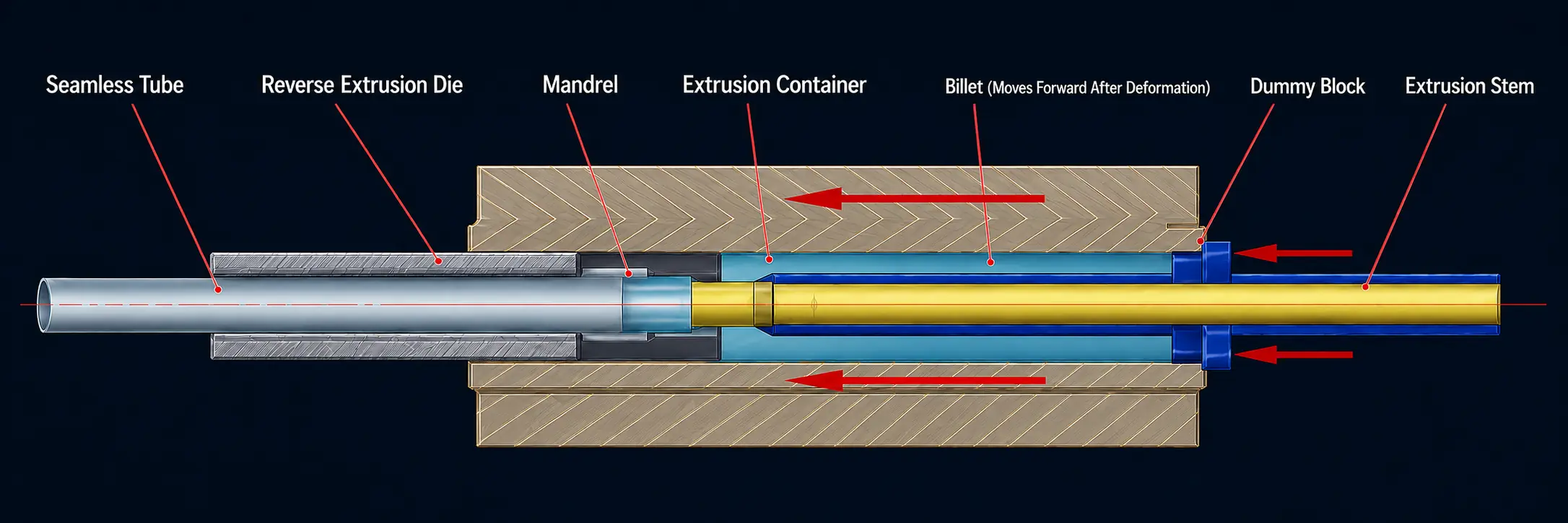
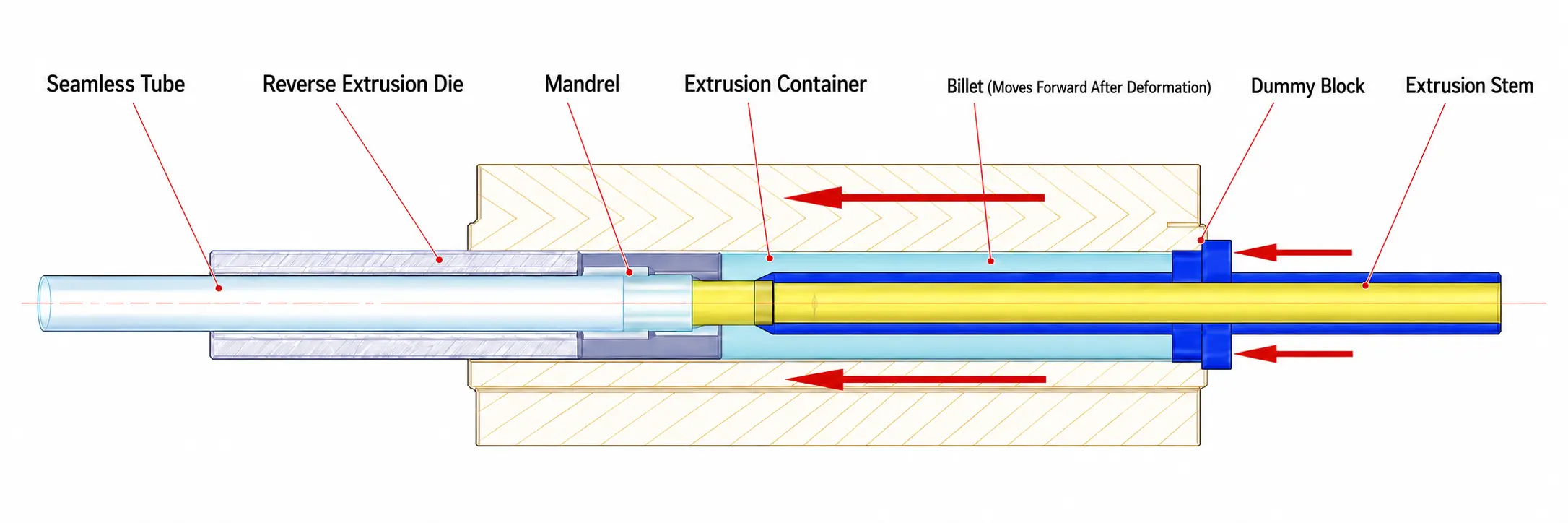
In reverse extrusion, the stem drives relative movement between the billet and die system while aluminum flows through the annular die opening in the opposite direction. The tube is formed without a longitudinal weld, with less relative sliding between the billet and container wall.
This process promotes continuous, uniform metal flow and reduces surface drag and structural variation caused by container-wall friction. It is well suited to aluminum tubes requiring consistent wall thickness, mechanical properties and stable downstream precision machining.
More Uniform Metal Flow
Less friction-related structural variation
Consistent Structure & Properties
Supports stable wall thickness and strength
Fewer Longitudinal Surface Defects
Improves finishing and machining quality
PRODUCT FORMS & ALLOYS
Thin wall · Thick wall · Hollow stock
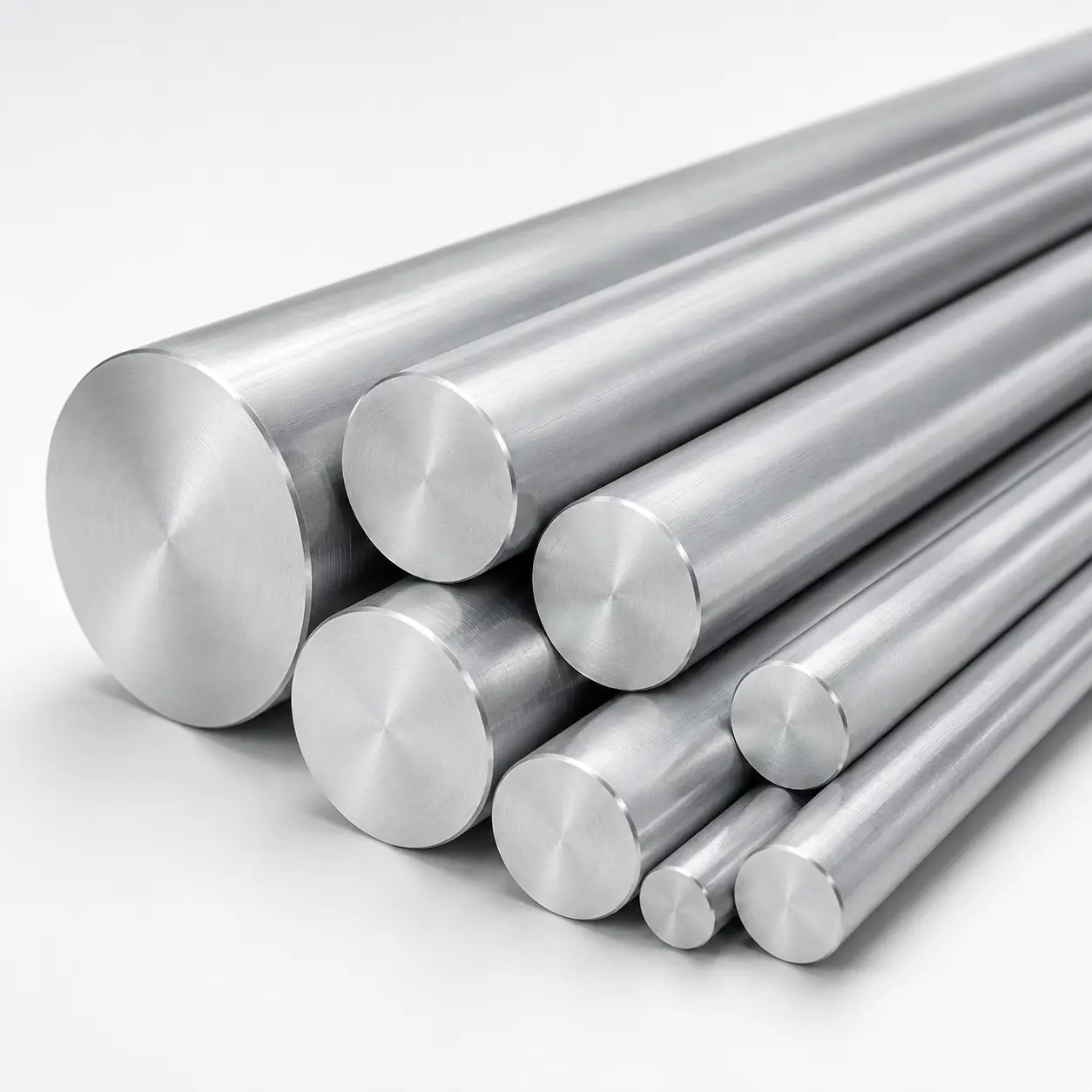
Finished bar · Cut to length
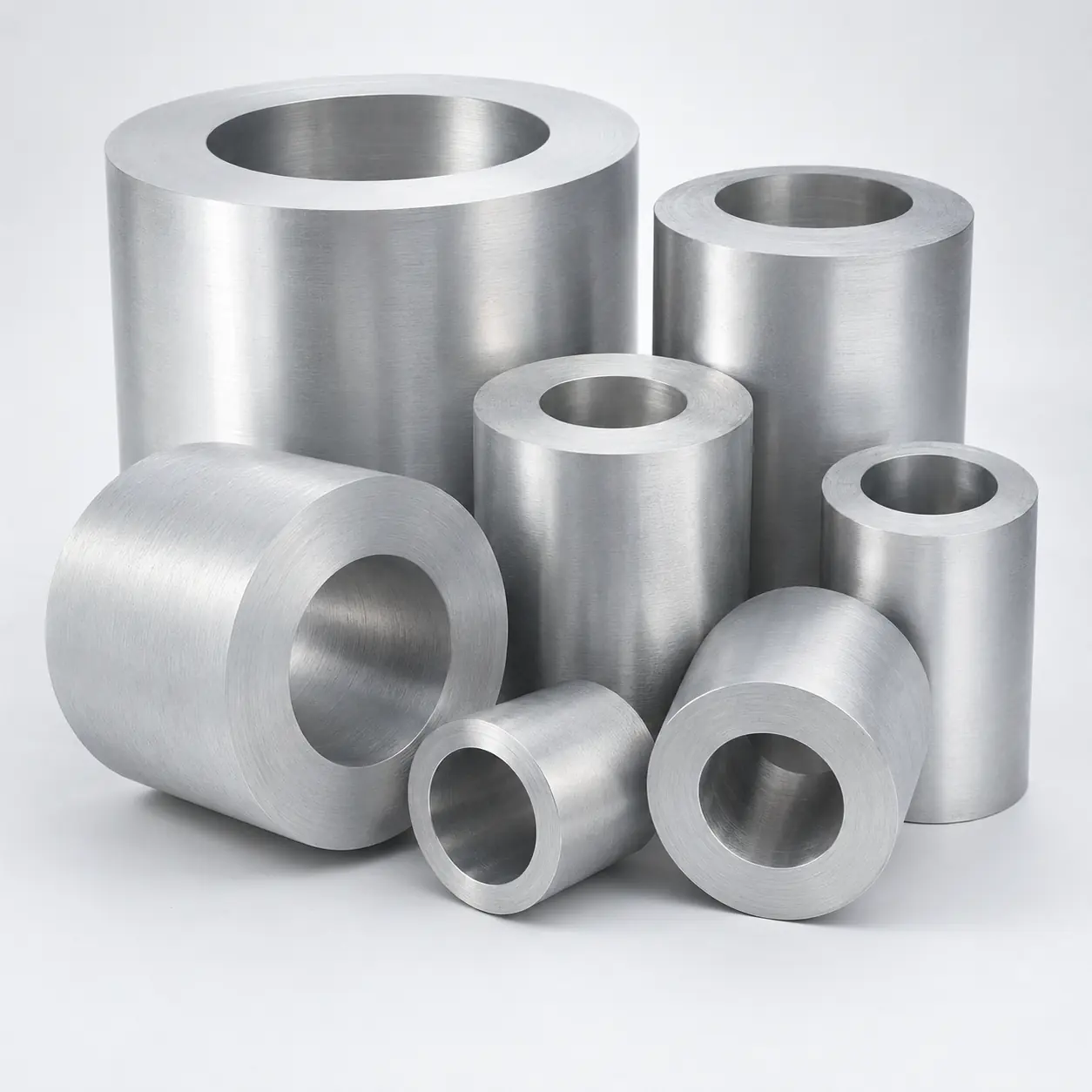
Structural stock · Hollow billet
| Alloy | Material Characteristics | Typical Applications | Downstream Processing |
|---|---|---|---|
| 5056 | Good corrosion resistanceGood weldability | Marine and chemical equipmentCorrosion-resistant tube parts | CNC machiningSurface finishing |
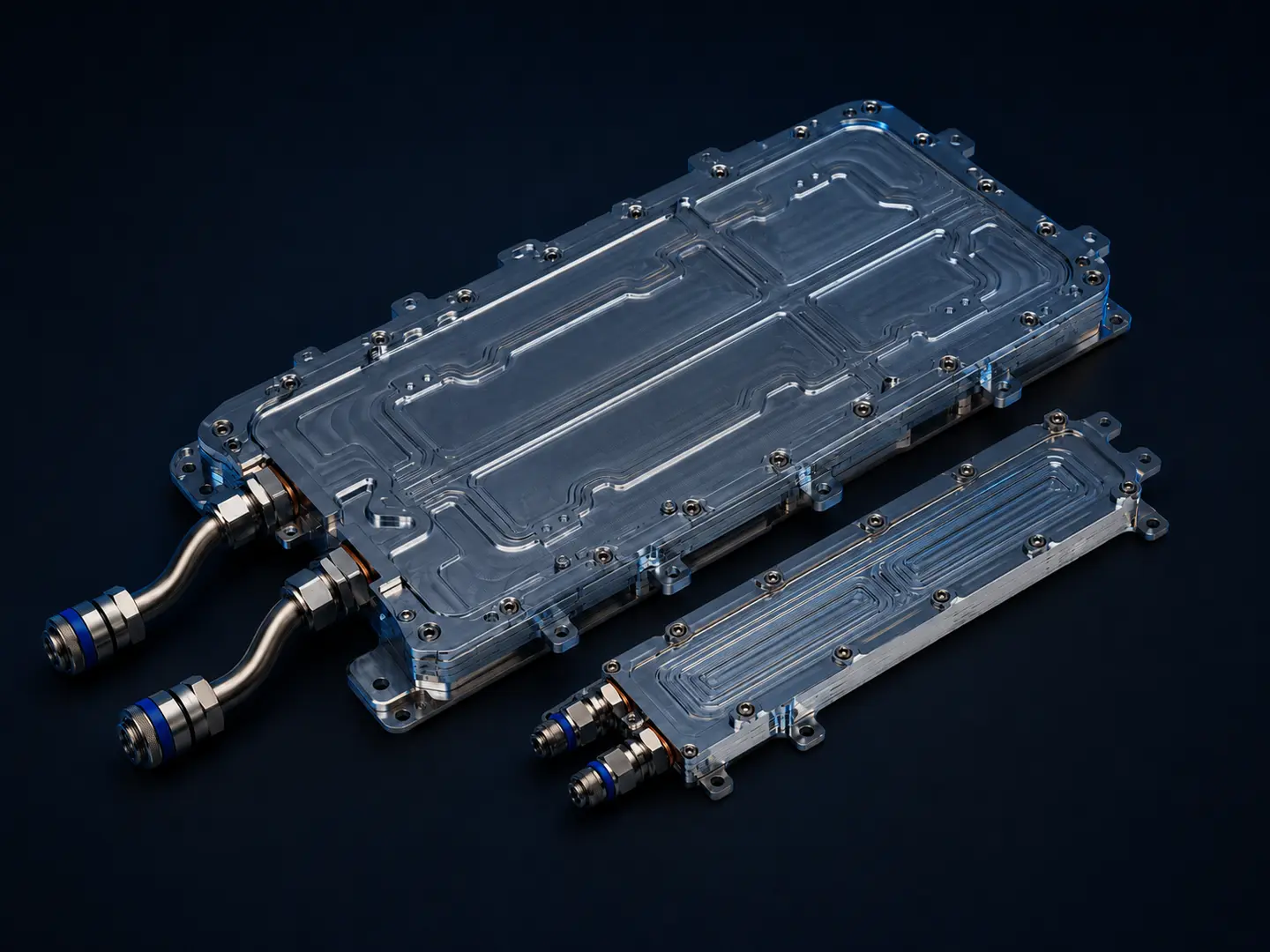
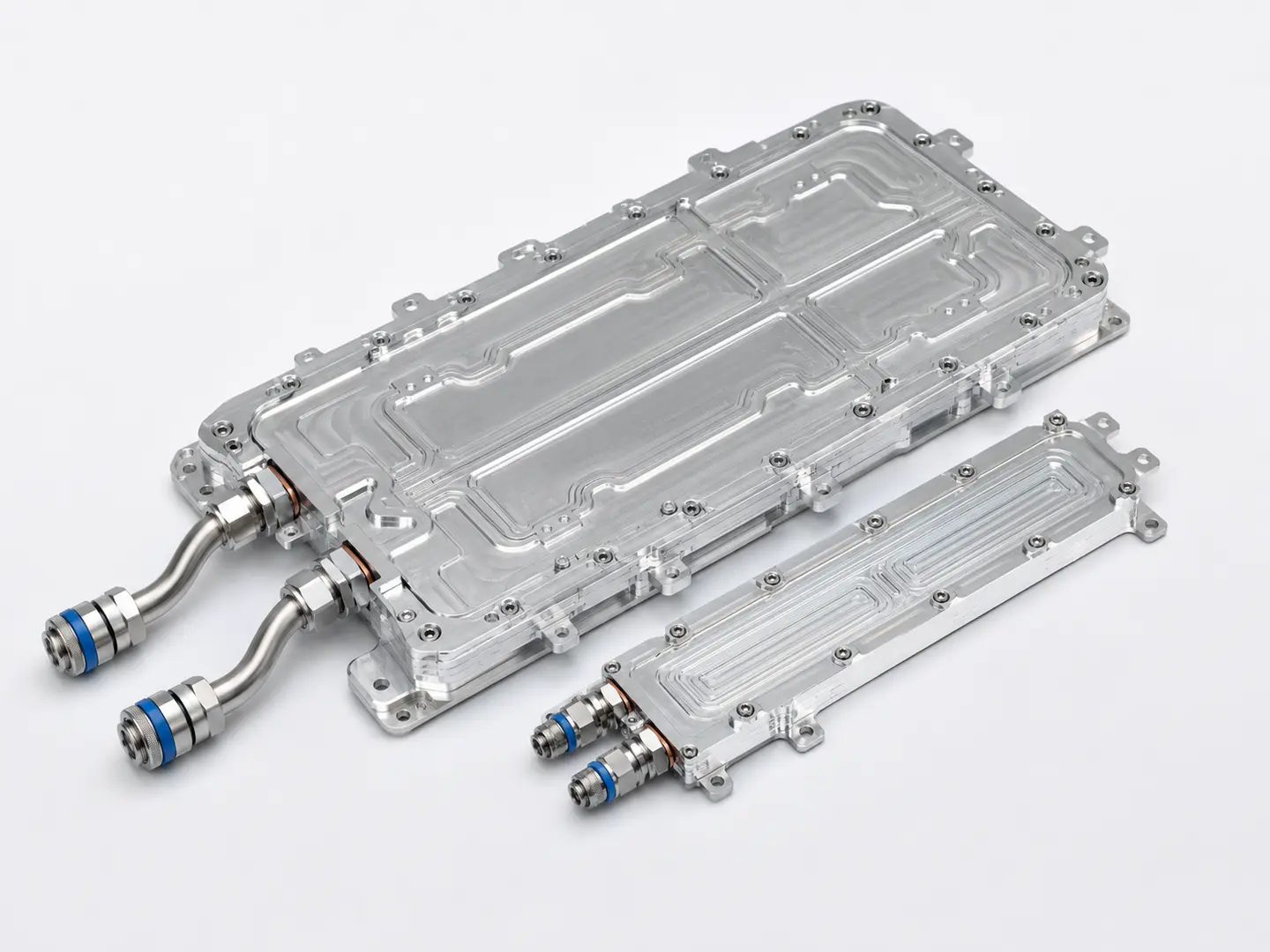
| 6061 | Balanced strength and machinability | Structural and machine partsThermal structures | CNC machiningAnodizing |
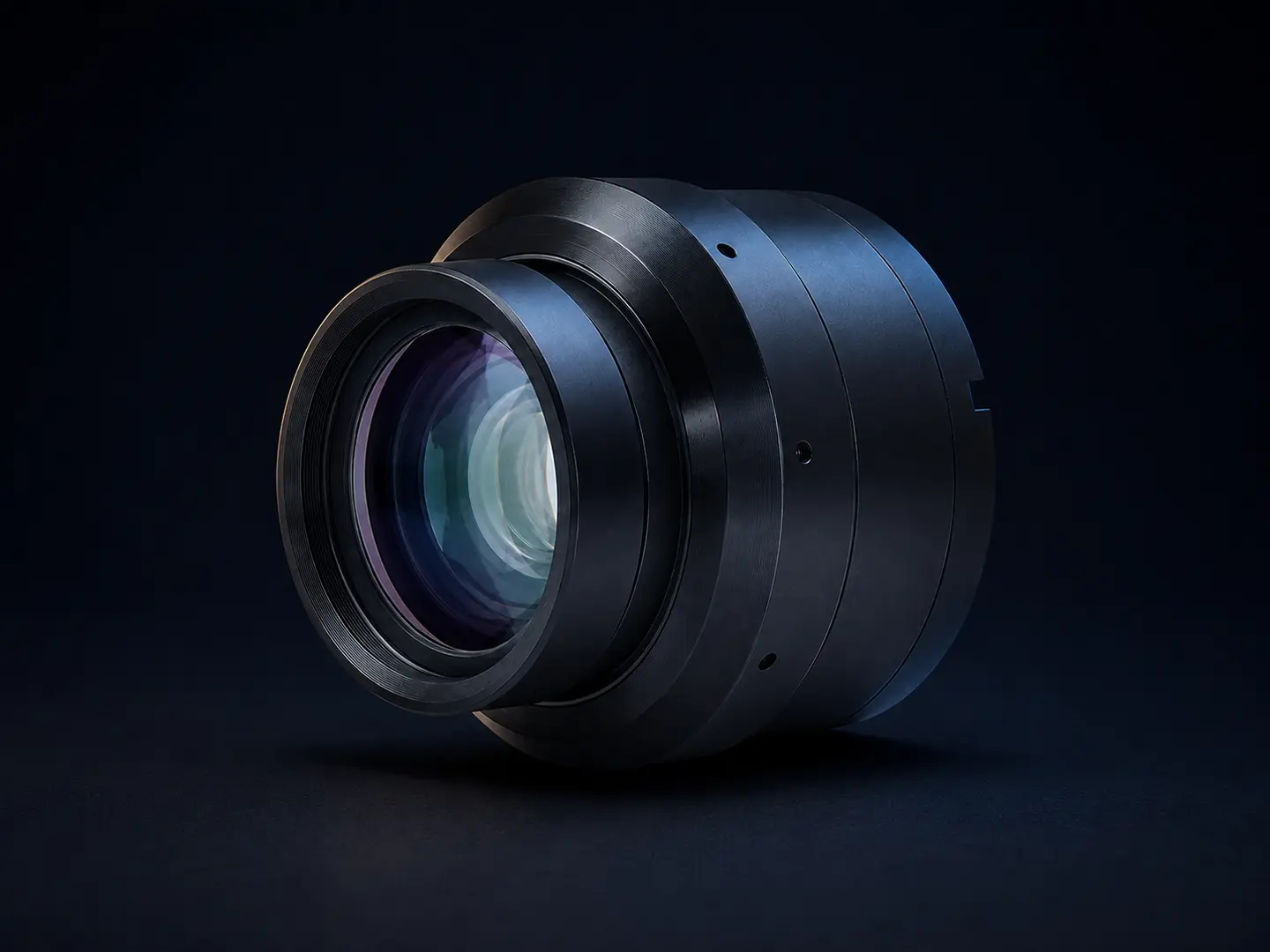
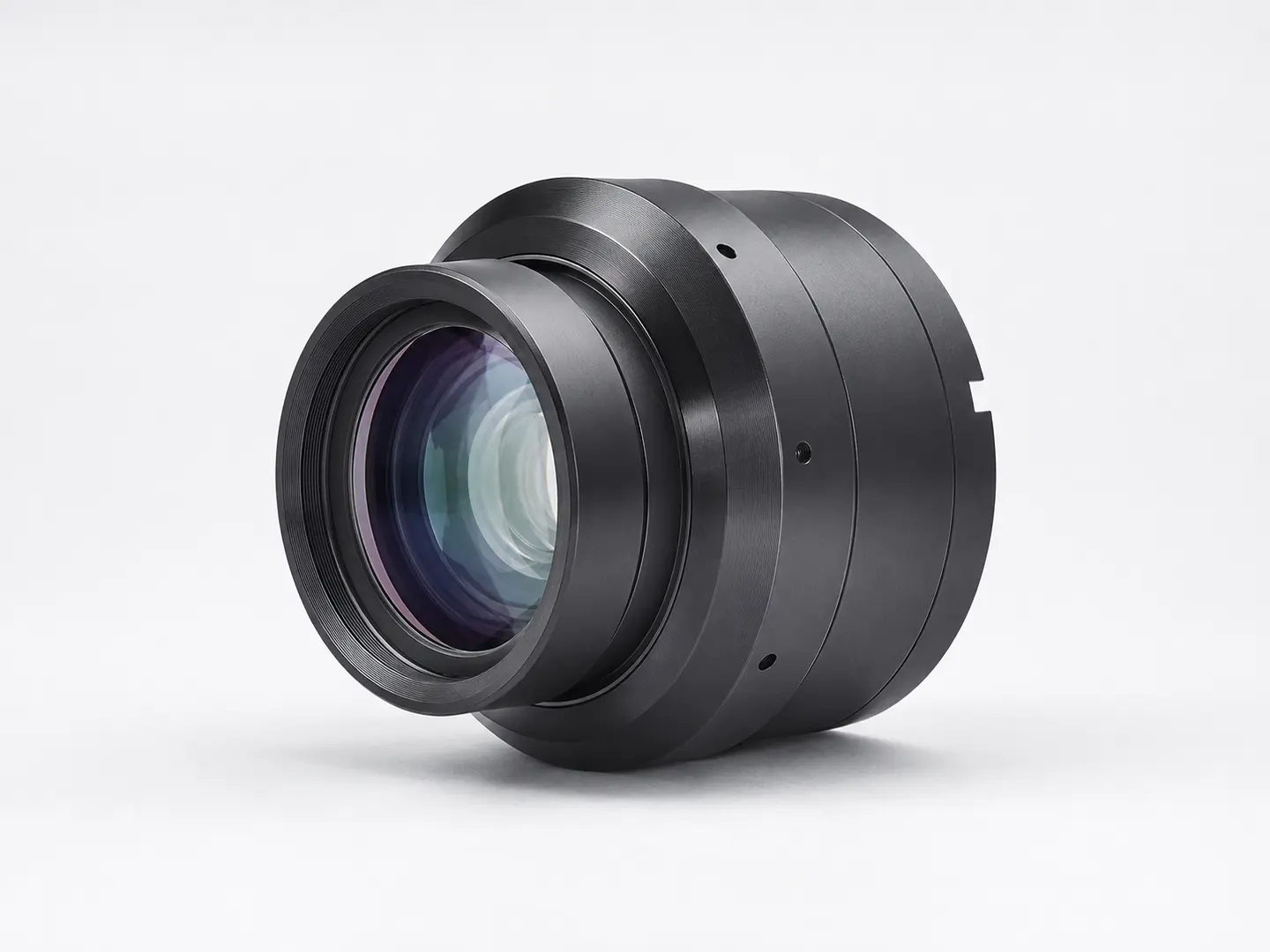
| 6063 | Good surface qualityHigh extrudability | Decorative structures and heat sinksOptical structures | Precision machiningSurface finishing |
| 7075 | High strengthGood fatigue performance | Aerospace and sporting equipmentHigh-strength structures | CNC machiningHard anodizing |
Final alloy and process selection should be confirmed against service conditions, temper, dimensions and performance requirements.
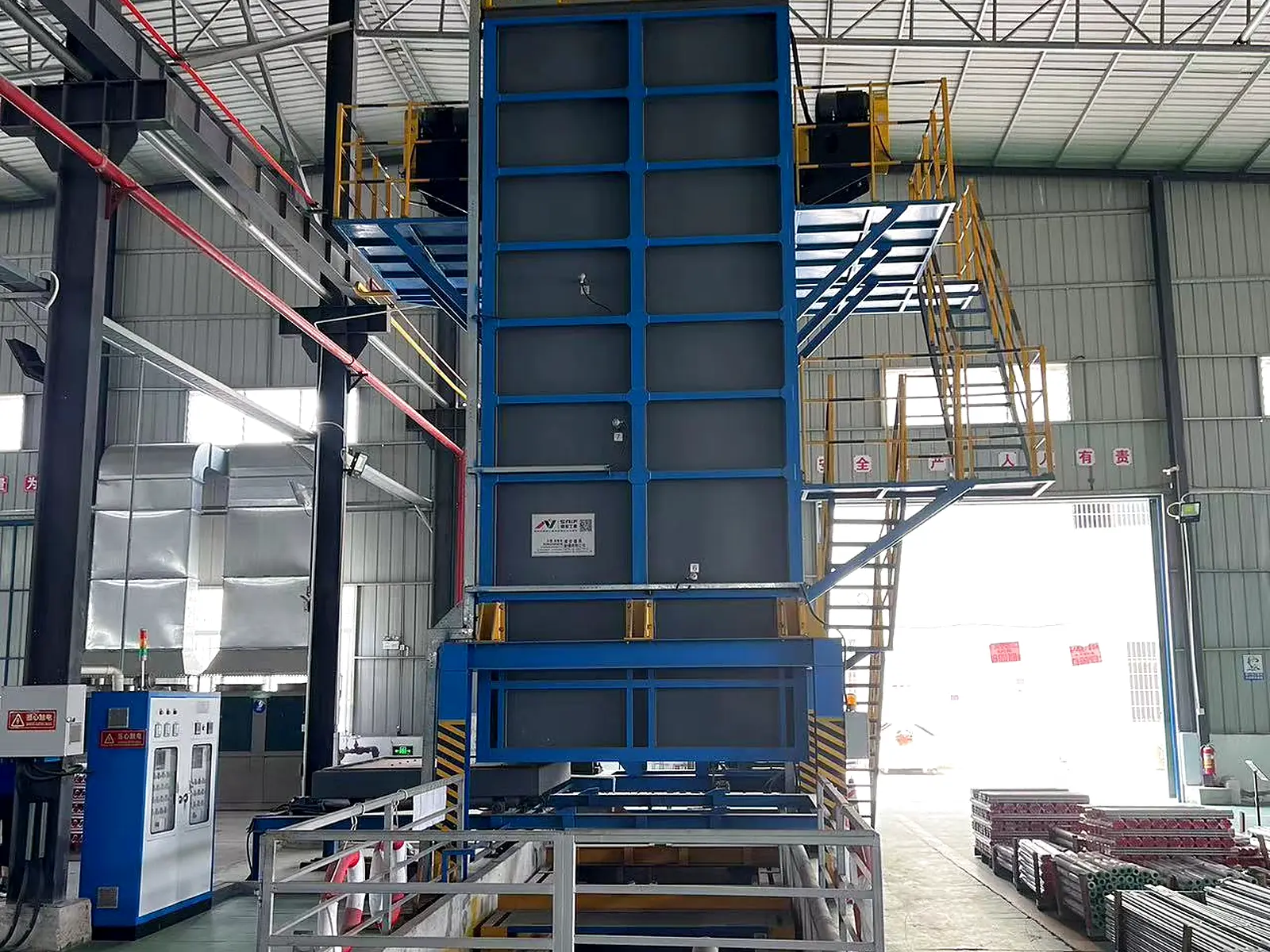
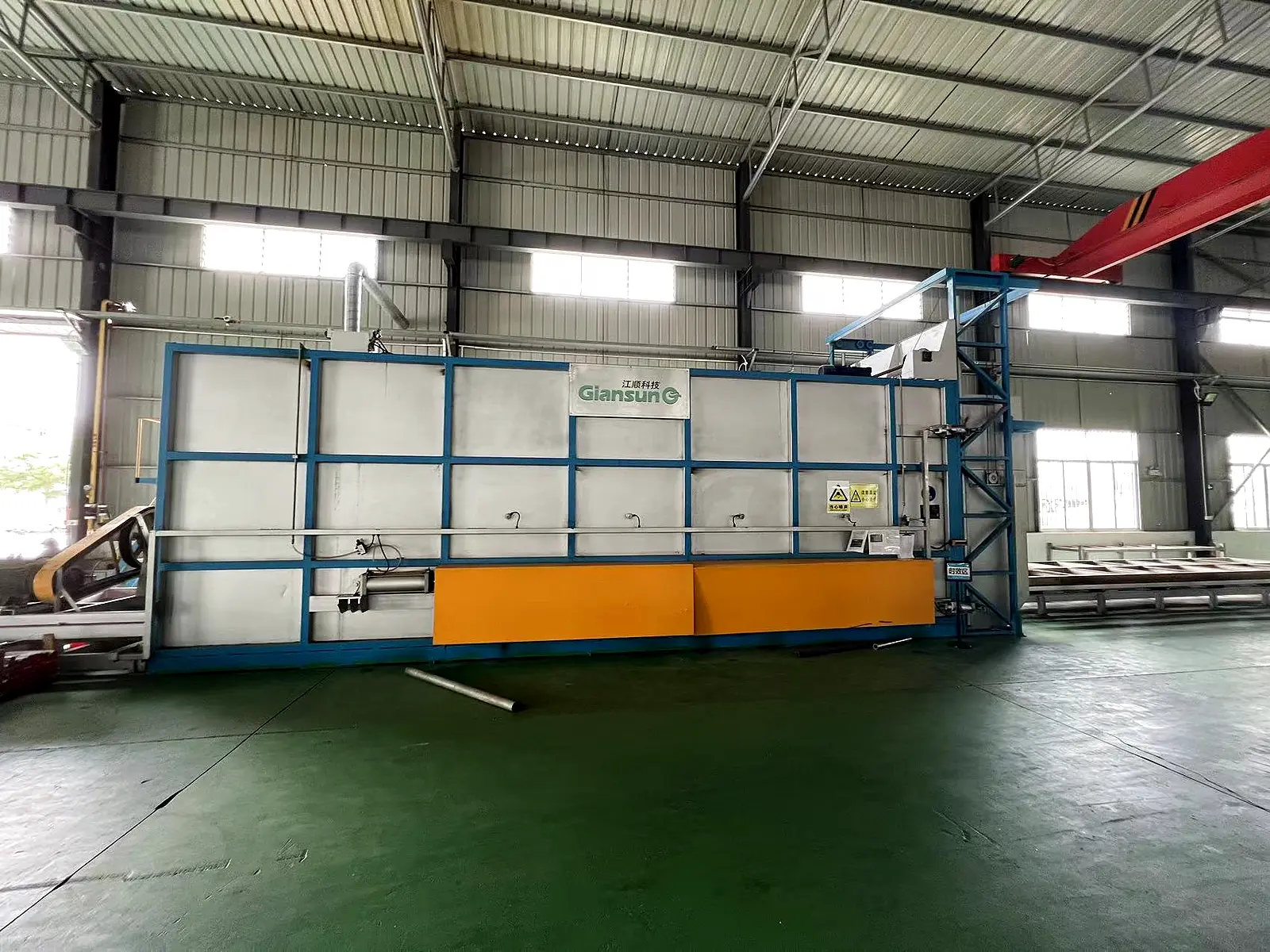
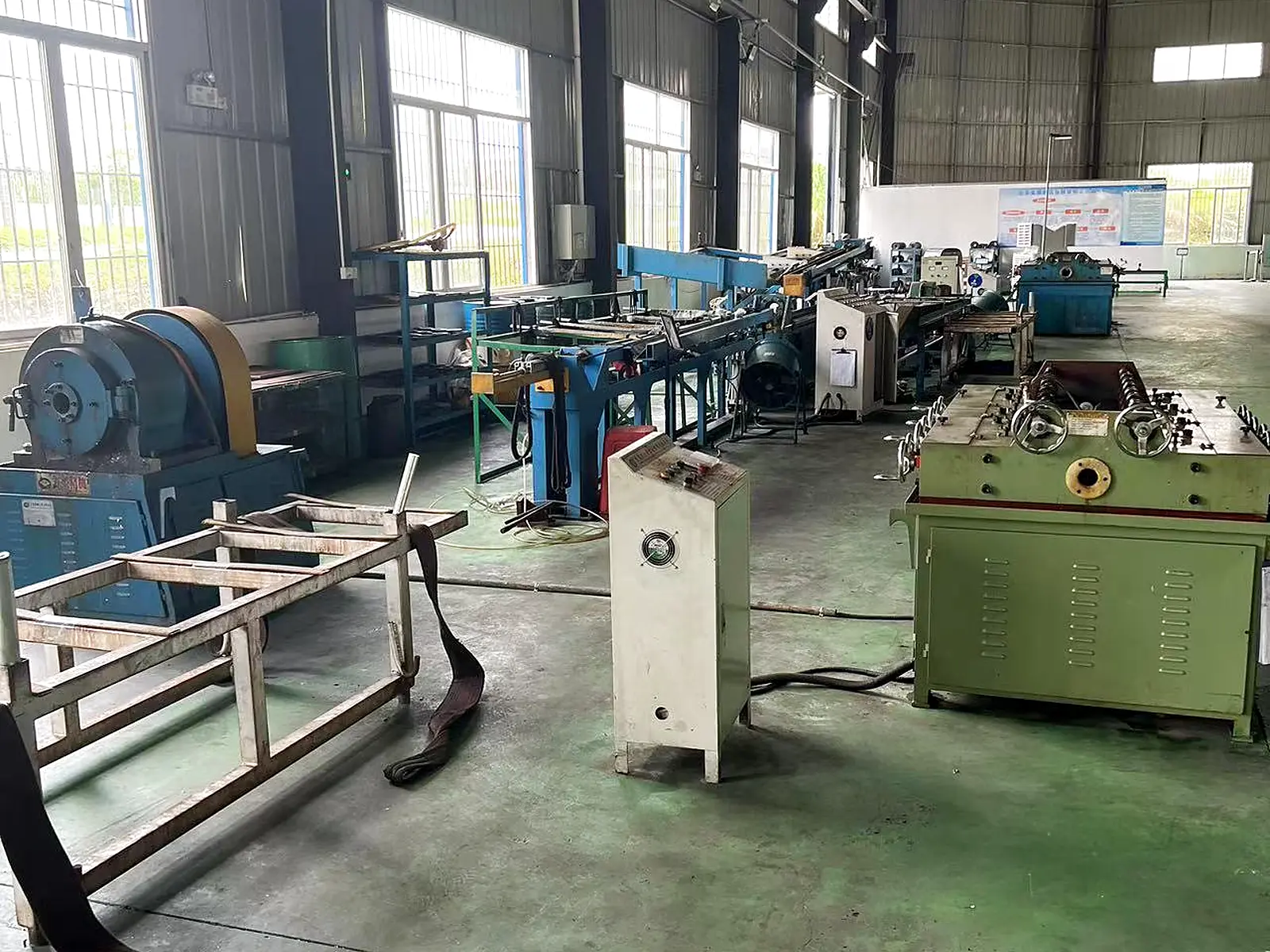
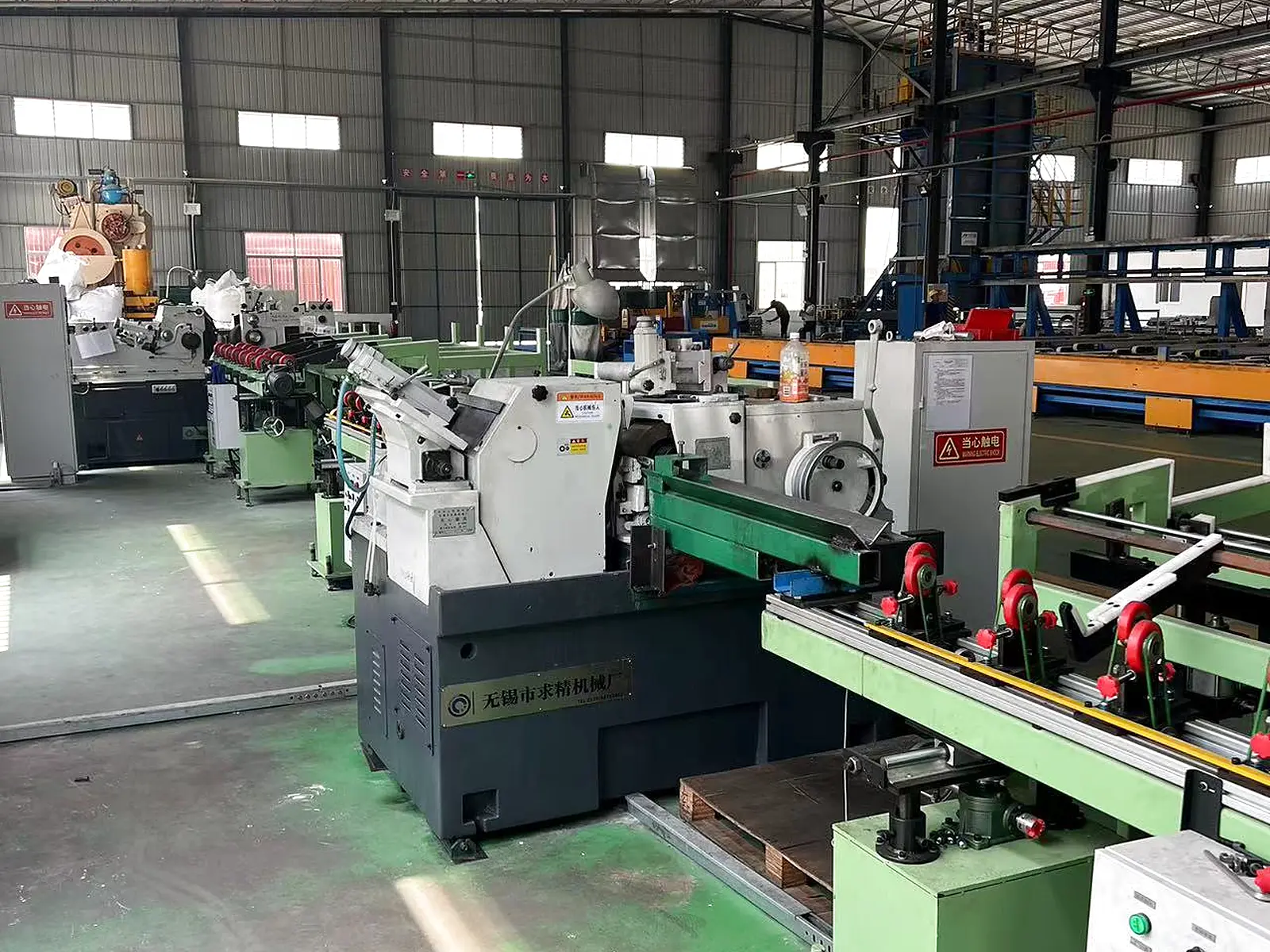
PROCESS & EQUIPMENT
DIMENSIONAL & QUALITY CONTROL
| Item | Inspection Method | Typical Requirement |
|---|---|---|
| Outside Diameter | Gauges and dedicated fixtures | Down to ±0.05 mm |
| Inside Diameter | Bore gauge or plug gauge | Down to ±0.05 mm |
| Wall Thickness | Multi-point measurement and recording | Down to ±0.05 mm |
| Length | Cut-to-length and first/last-piece checks | Down to ±0.5 mm |
| Item | Inspection Method | Acceptance Basis |
|---|---|---|
| Chemical Composition | Spectrometric analysis | Specified alloy grade |
| Tensile Strength | Room-temperature tensile test | Specified temper |
| Yield Strength | Room-temperature tensile test | Specified temper |
| Elongation | Room-temperature tensile test | Specified temper |
| Item | Inspection Method | Acceptance Basis |
|---|---|---|
| Straightness | Multi-point tube and bar inspection | Drawing requirement |
| Concentricity | ID/OD coaxial measurement | Drawing requirement |
| Surface Roughness | Ra measurement | Drawing requirement |
| Surface Quality | Scratch, dent and crack inspection | Visual and gauge inspection |
The tolerances shown are typical capability examples. Final requirements depend on geometry, size range, material temper and the approved drawing.
MATERIAL-TO-PART INTEGRATION
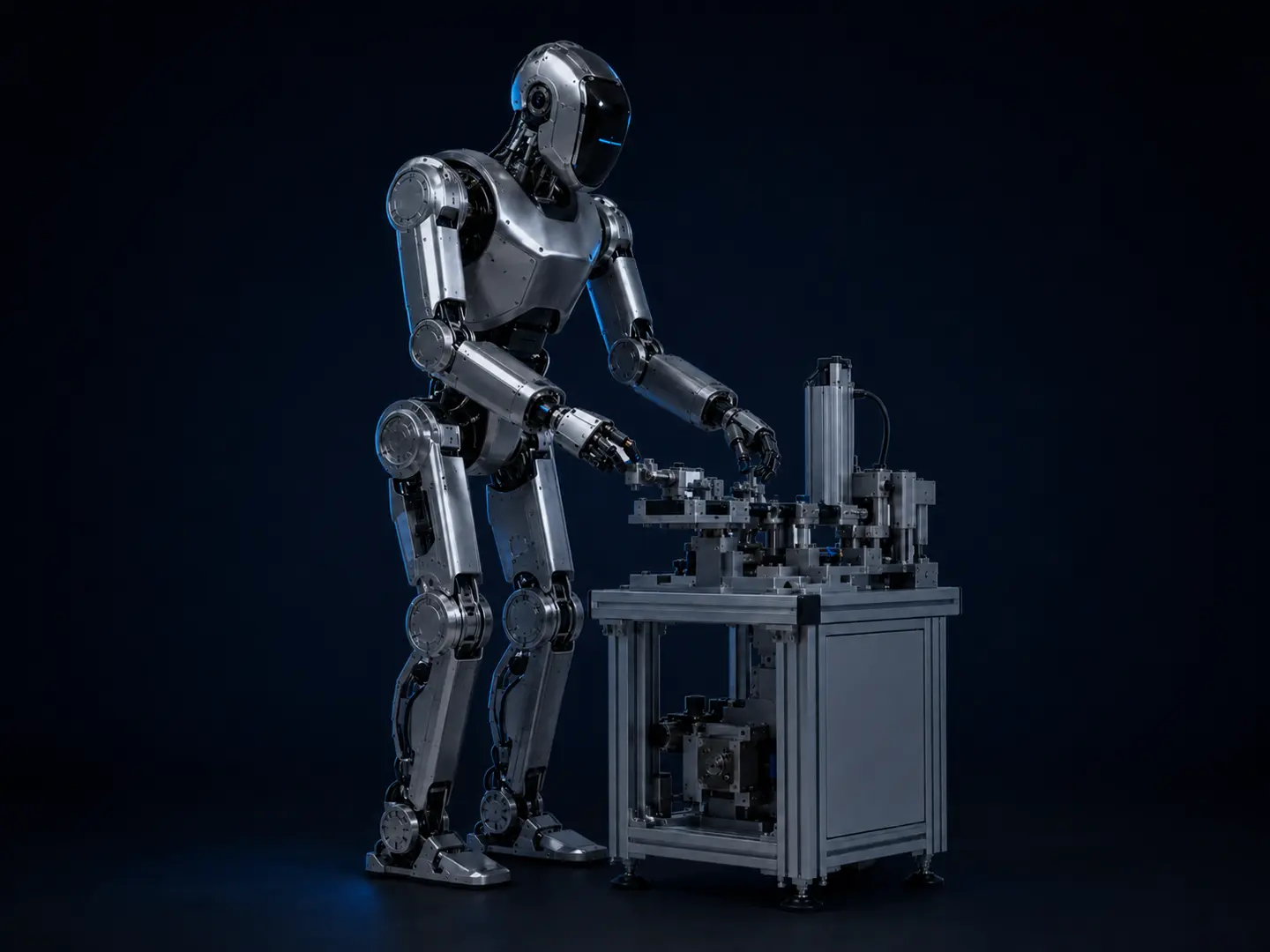
An integrated route from aluminum production to finished precision parts reduces material handoffs and improves delivery efficiency and quality consistency.
Supports consistent part and batch performance
Fewer transfers and less process waiting
Traceability from material lot to finished part
Adapted to varied drawings and requirements
APPLICATIONS

FAQ
A5056, A6061, A6063 and A7075 aluminum tube and bar are available, with precision seamless tube and solid bar as the main product forms. Material temper, OD, ID, wall thickness, length and quantity are confirmed against the drawing or technical requirements.
5056 offers good corrosion resistance and weldability. 6061 balances strength, corrosion resistance, weldability and machinability. 6063 is suited to complex thin-wall hollow forms and anodized finishes, while 7075 is selected for higher strength and good machining performance. Final selection depends on service conditions, temper and processing requirements.
The current product information lists typical lengths up to 1,200 mm and supports individual or cut-to-length preparation. OD, ID, wall thickness, length and tolerance are reviewed against the drawing before manufacturing.
Reverse extrusion promotes more uniform metal flow, reduces friction between the billet and container and helps stabilize extrusion load. This supports seamless tube with more consistent structure and properties. Billets may also be hot peeled before extrusion to improve surface quality.
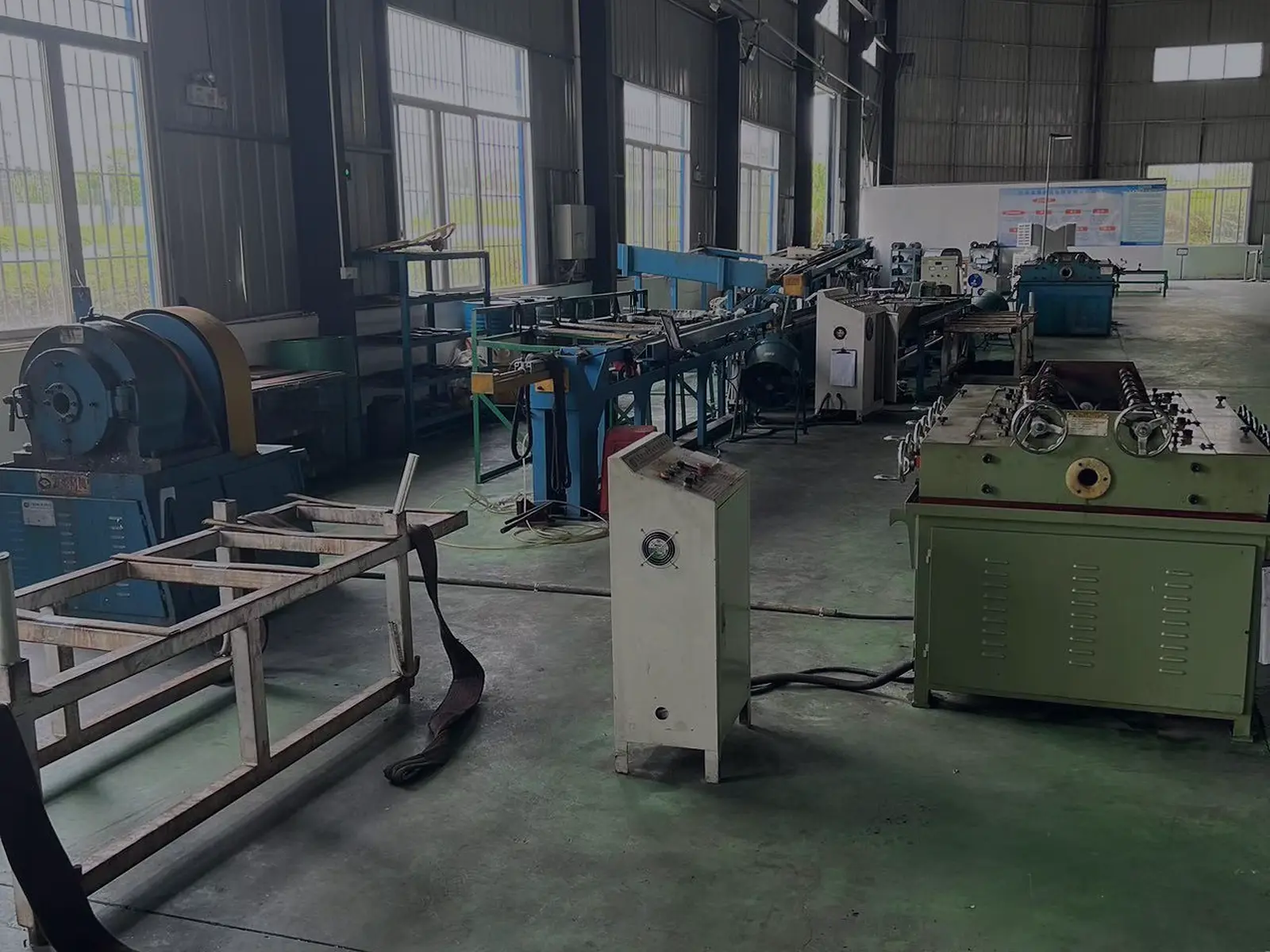
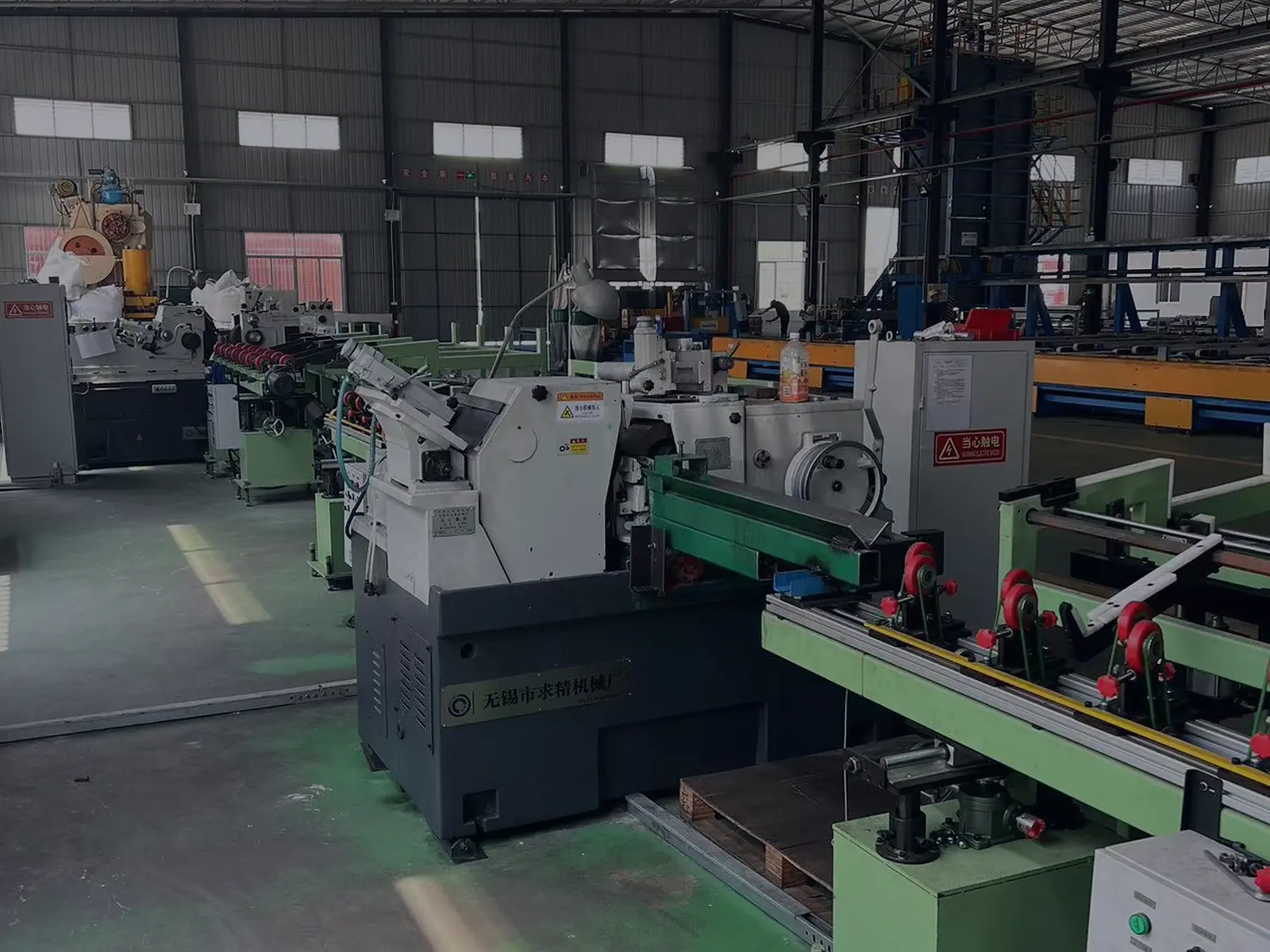
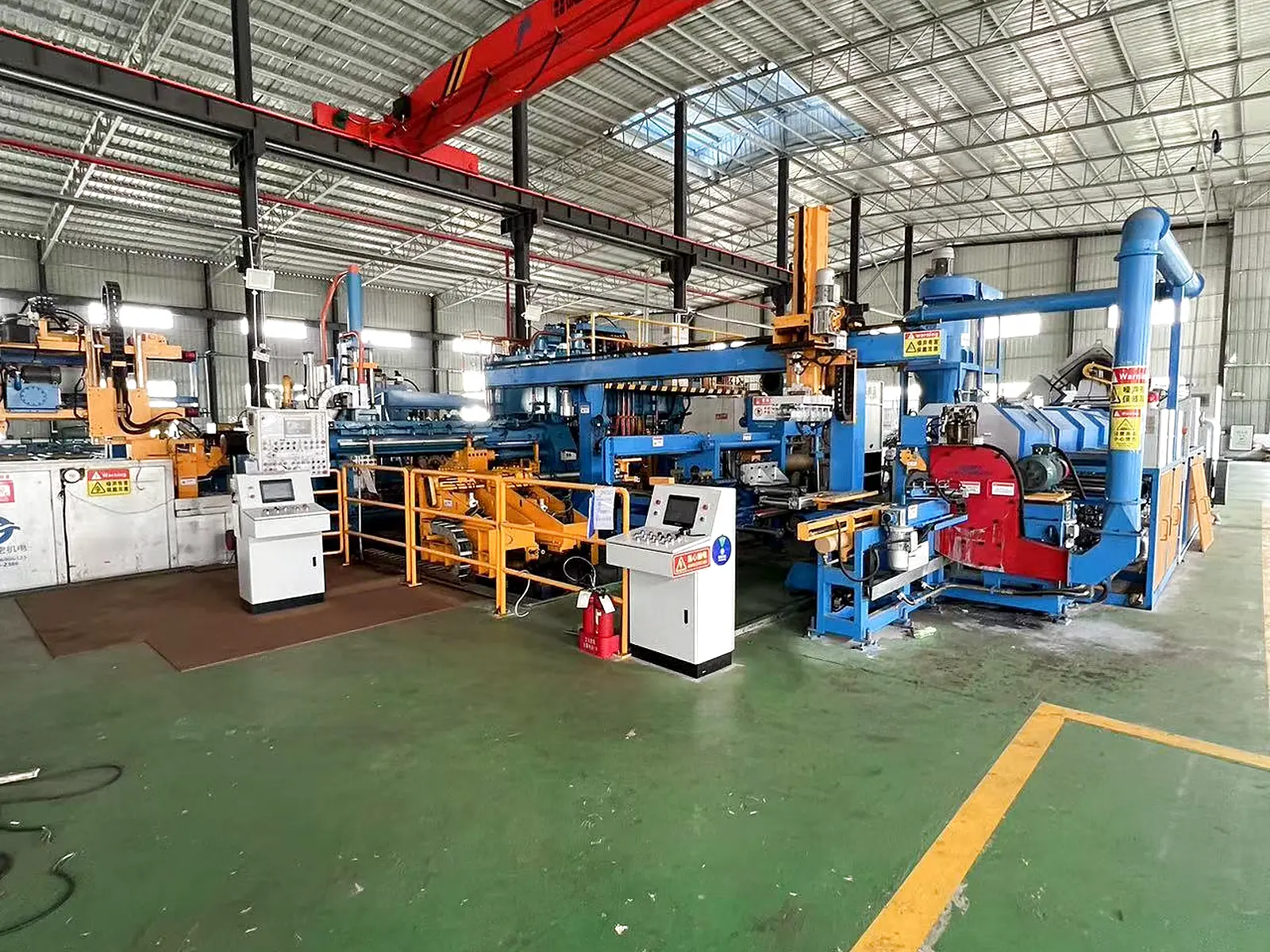
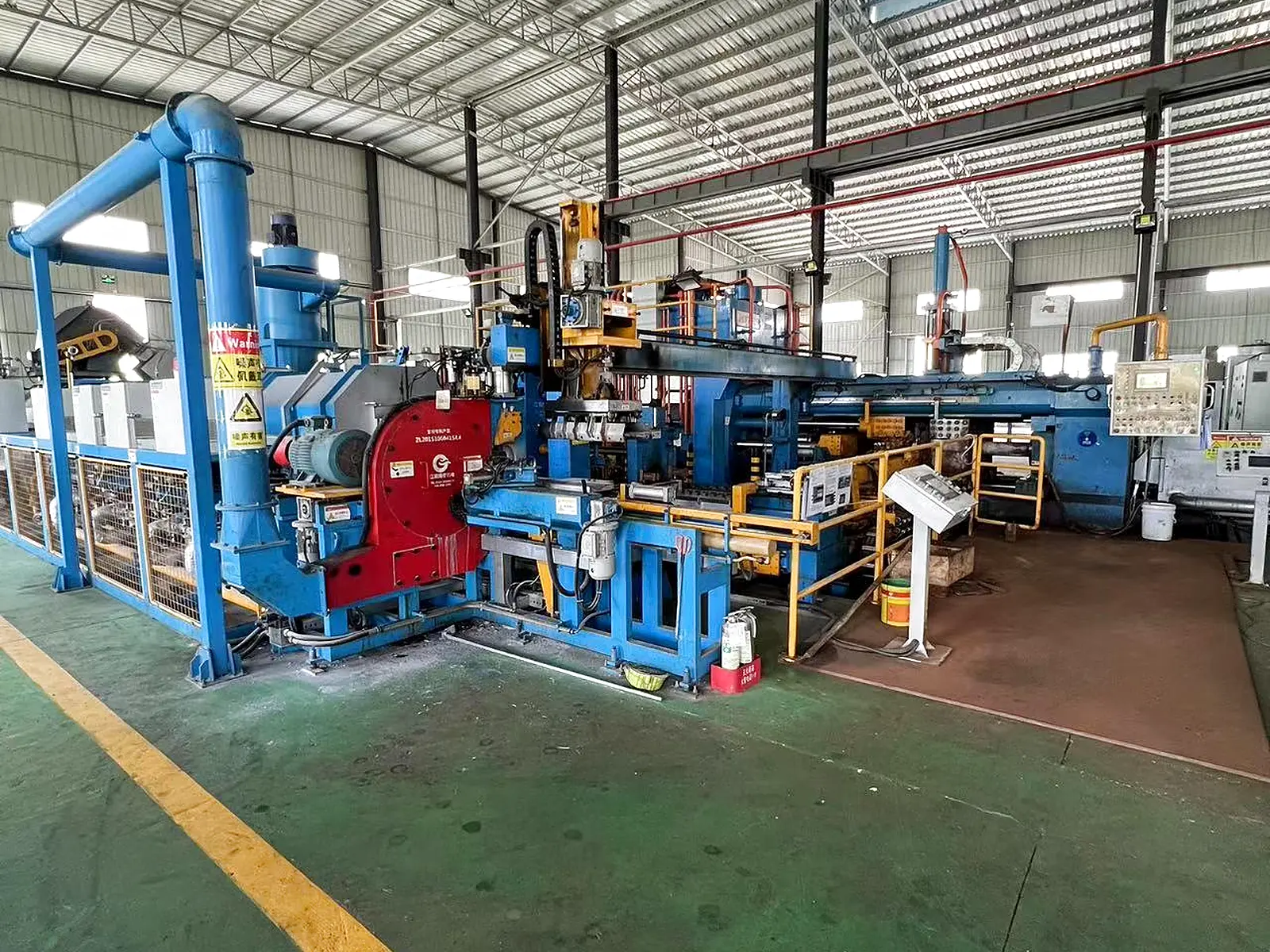
The manufacturing route uses 1,100T and 1,800T aluminum extrusion lines together with T4 quenching, annealing and aging equipment, precision straightening, high-precision centerless grinding and dedicated cutting equipment.
Quality is controlled through billet hot peeling, stable reverse extrusion, downstream straightening, centerless grinding and dimensional inspection. OD, ID, wall thickness, roundness, concentricity and surface requirements are confirmed against the approved drawing and inspection standard.
The factory profile lists ISO 9001, AS9100D, ISO 14001 and ISO 45001 management systems. The required scope of material certificates, chemistry and mechanical reports, heat-treatment records and dimensional inspection reports should be agreed during quotation and order review.
Yes. Seamless tube and solid bar can move into CNC precision machining, surface finishing, dimensional inspection and finished-part delivery, reducing material sourcing, transport and process waiting. The final route is evaluated from the part drawing, material temper and quality requirements.
Upload your drawings. Our engineering team will provide a manufacturing review and quotation within 24 hours.