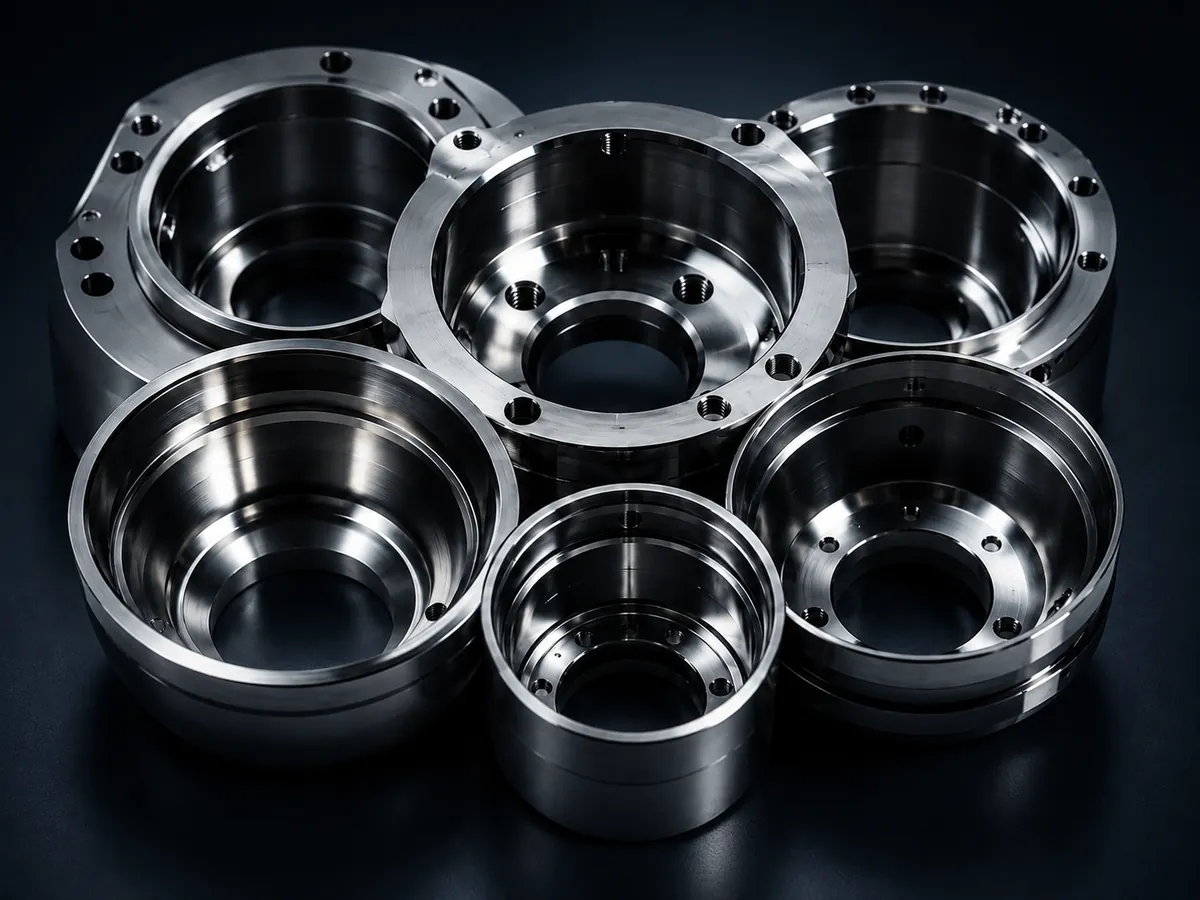
Polishing & Finishing
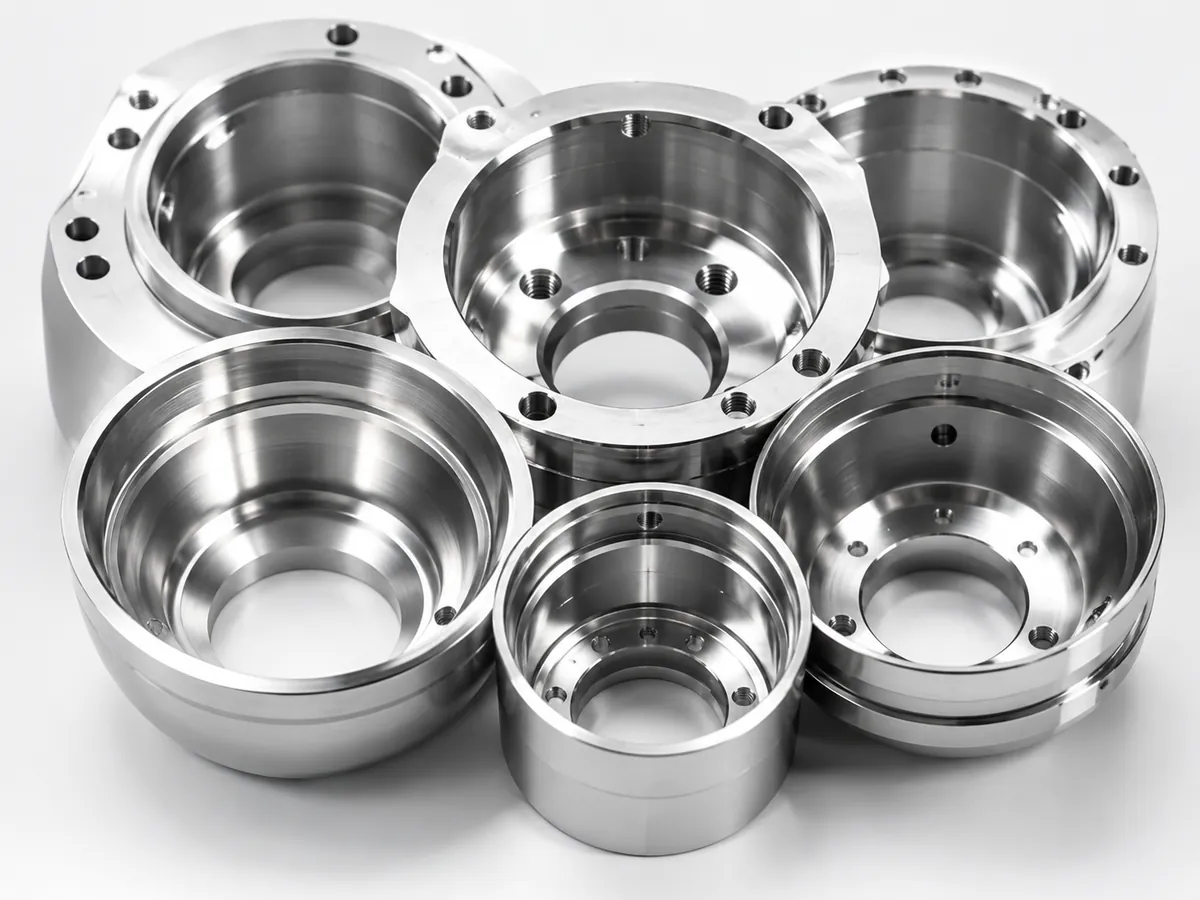
Deburring, edge rounding, satin and mirror finishes
SURFACE TREATMENT
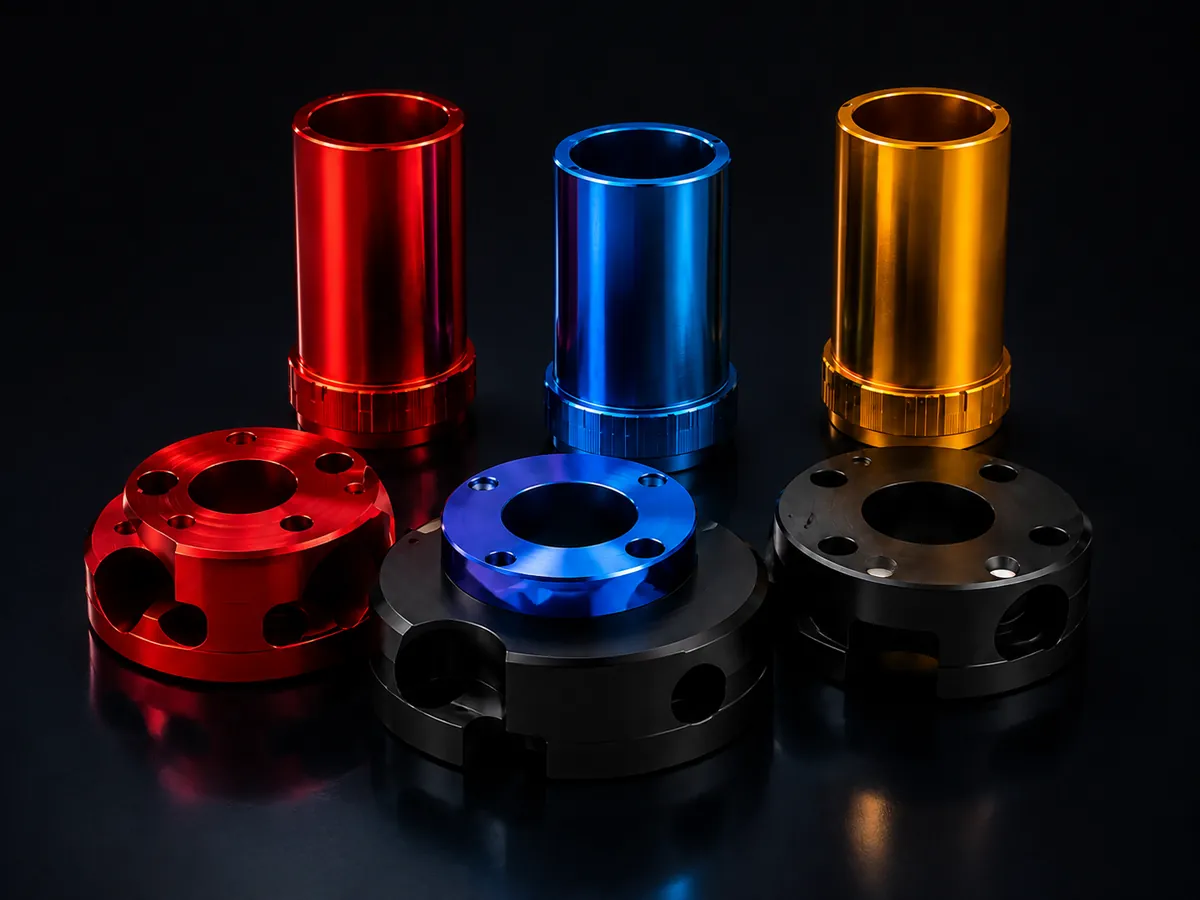
We provide one-stop surface treatment solutions for precision metal parts, improving appearance, corrosion resistance, wear resistance, insulation and product traceability.
3
Core Surface Processes
11
Polishing Machines
28
Coating & Anodizing-Related Machines
One-Stop
Polishing · Coating/Anodizing · Marking
SURFACE TREATMENT OVERVIEW
Surface treatment combines polishing, grinding, blasting, coating, anodizing and laser marking to improve the appearance and performance of precision parts. These processes enhance corrosion resistance, wear resistance, insulation, cleanliness and traceability. The appropriate process is selected according to the material, dimensional tolerances, appearance requirements and service environment.
Deburring, edge rounding, satin and mirror finishes
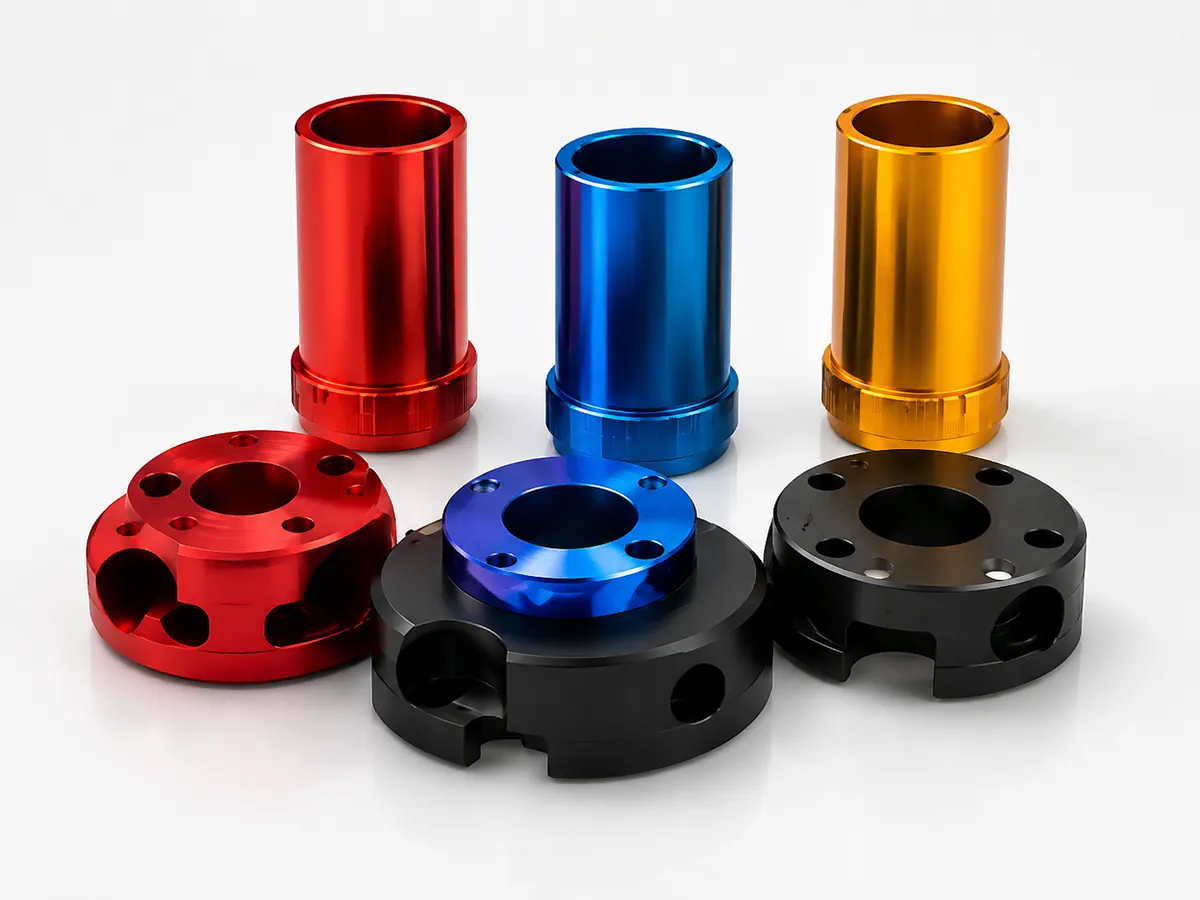
Corrosion resistance, wear resistance, insulation and color
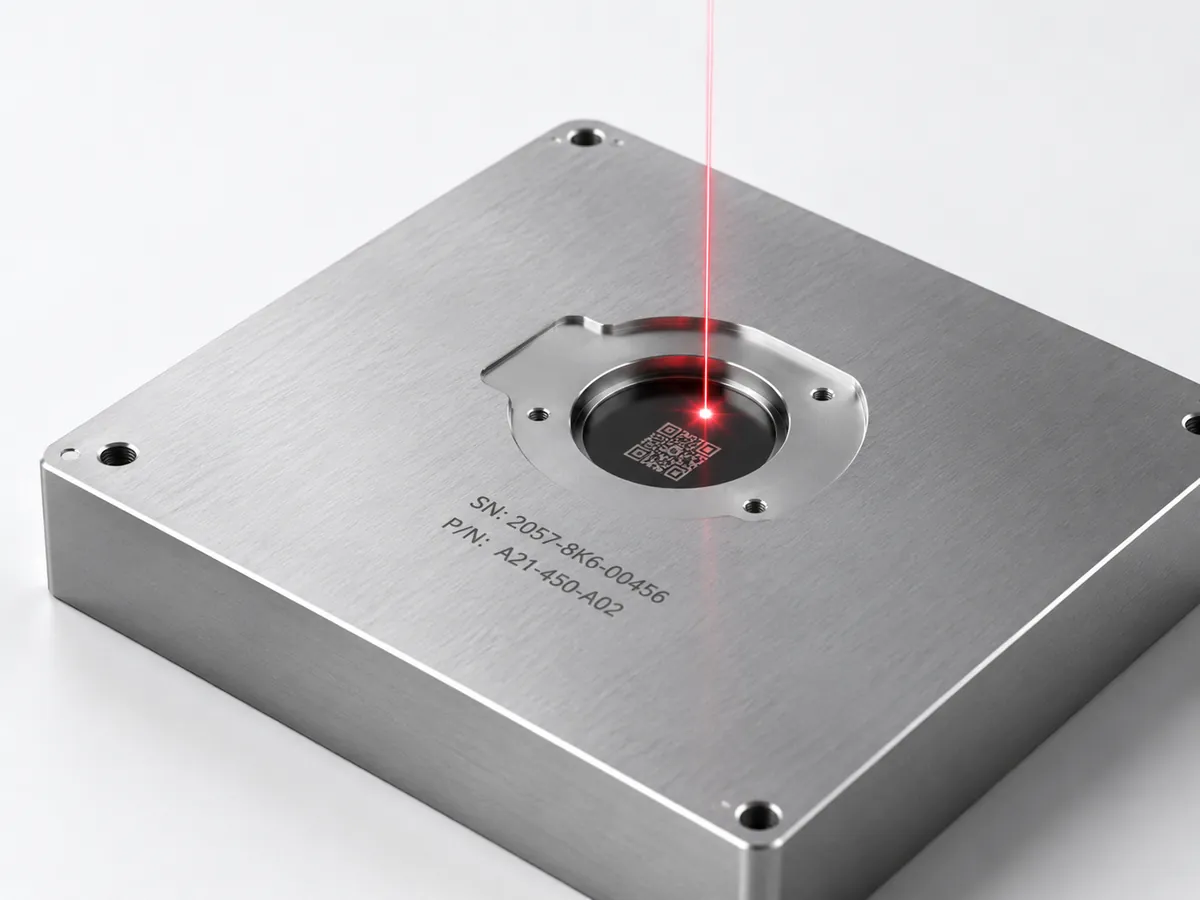
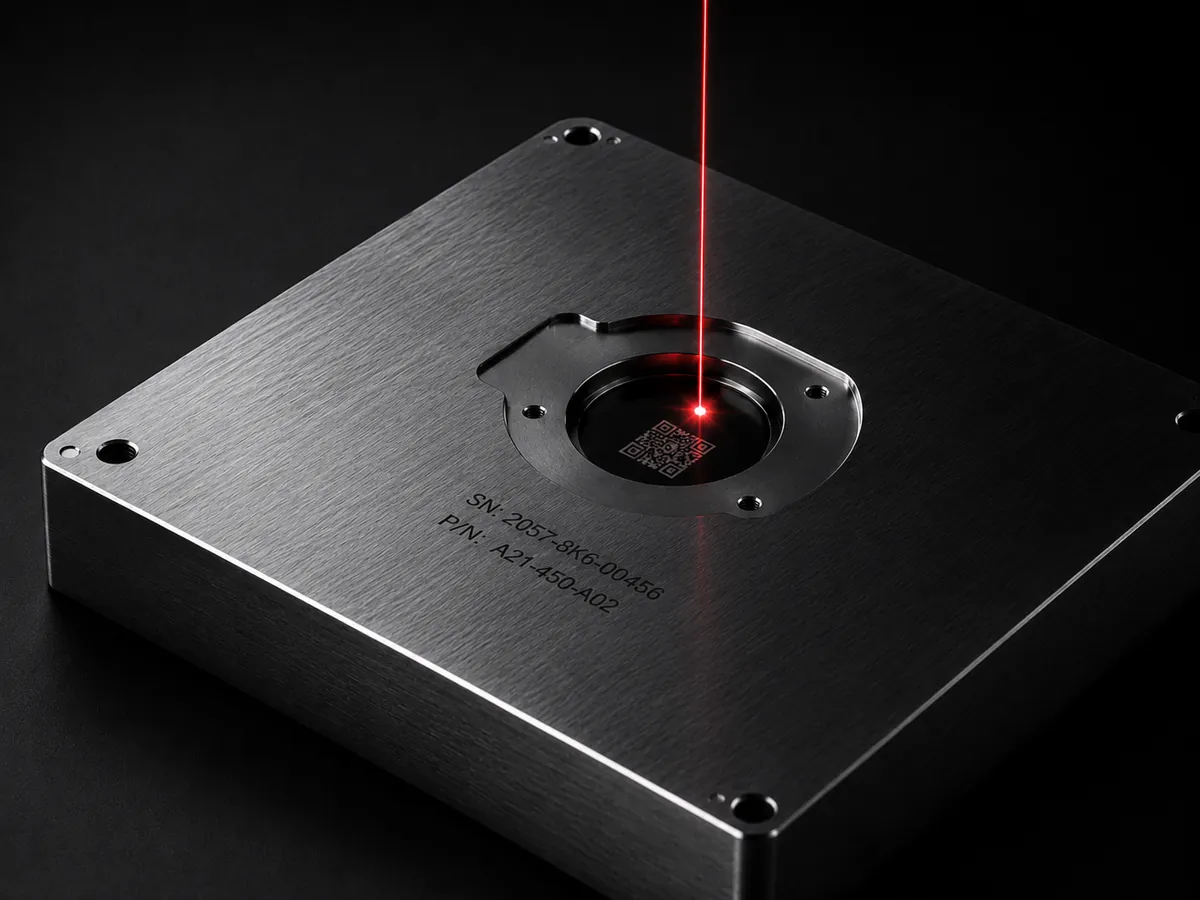
Characters, logos, QR codes and traceability marks
PROCESS CAPABILITIES
Our in-house capabilities cover polishing and finishing, coating and anodizing, and laser marking and printing for appearance, protection, functionality and traceability.
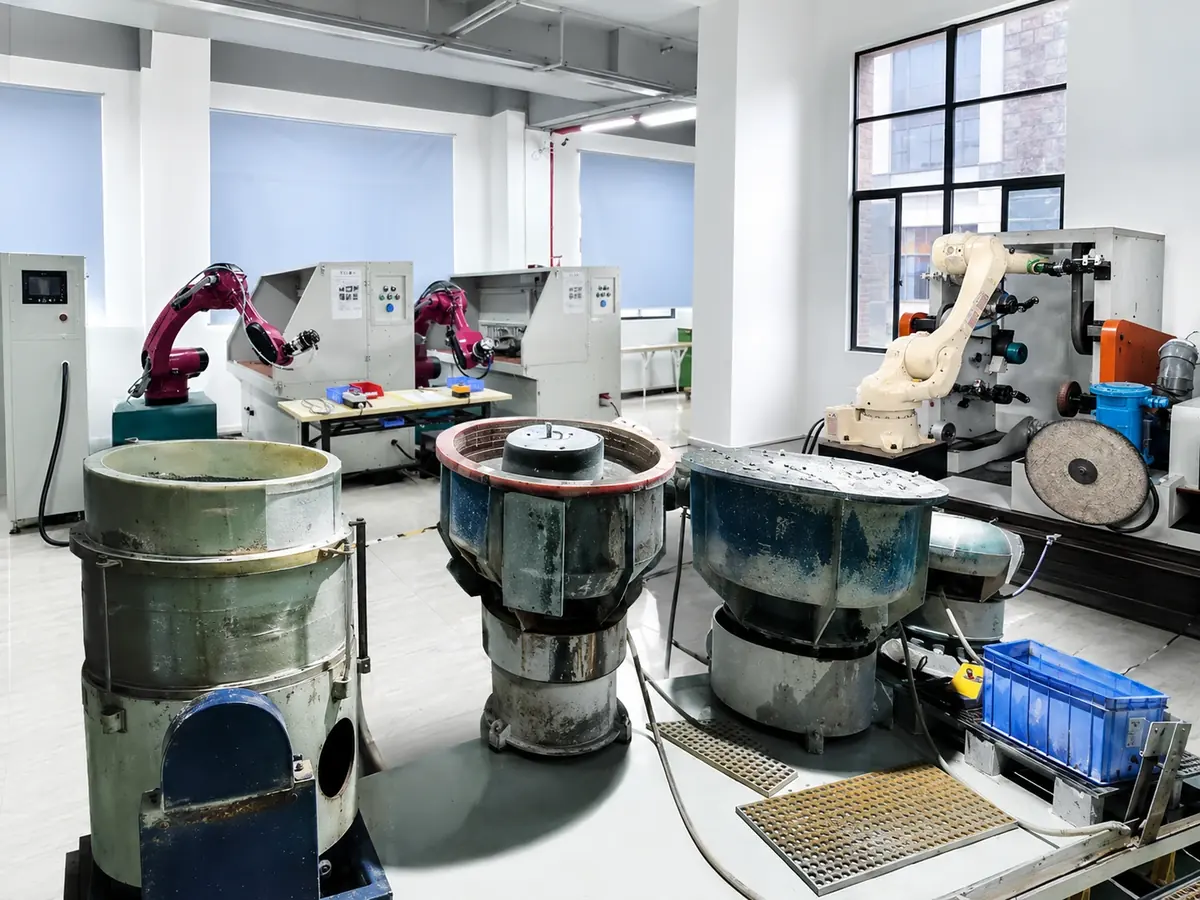
POLISHING & FINISHING
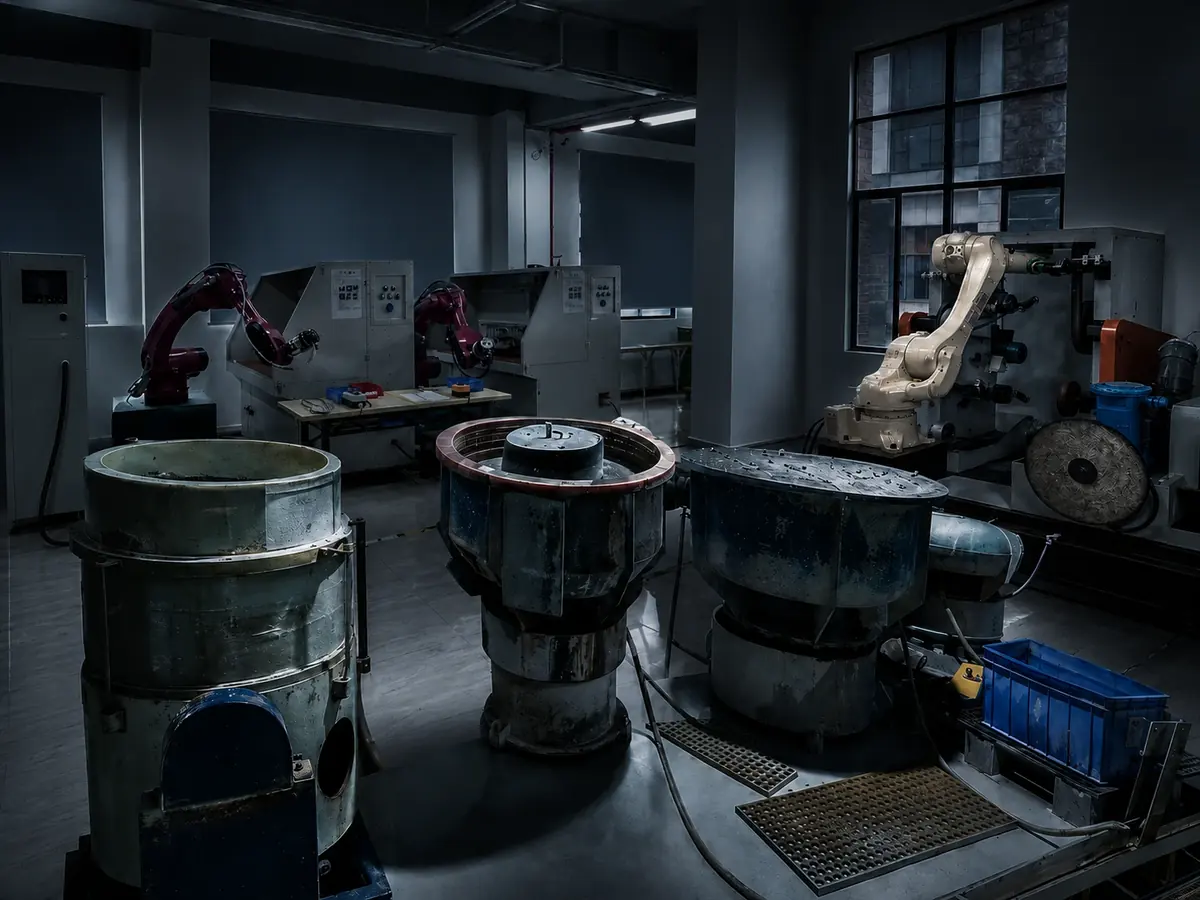
Vibratory, precision, high-speed rotary, plasma and robotic polishing improve burrs, edges, gloss and overall surface consistency.
Available Processes
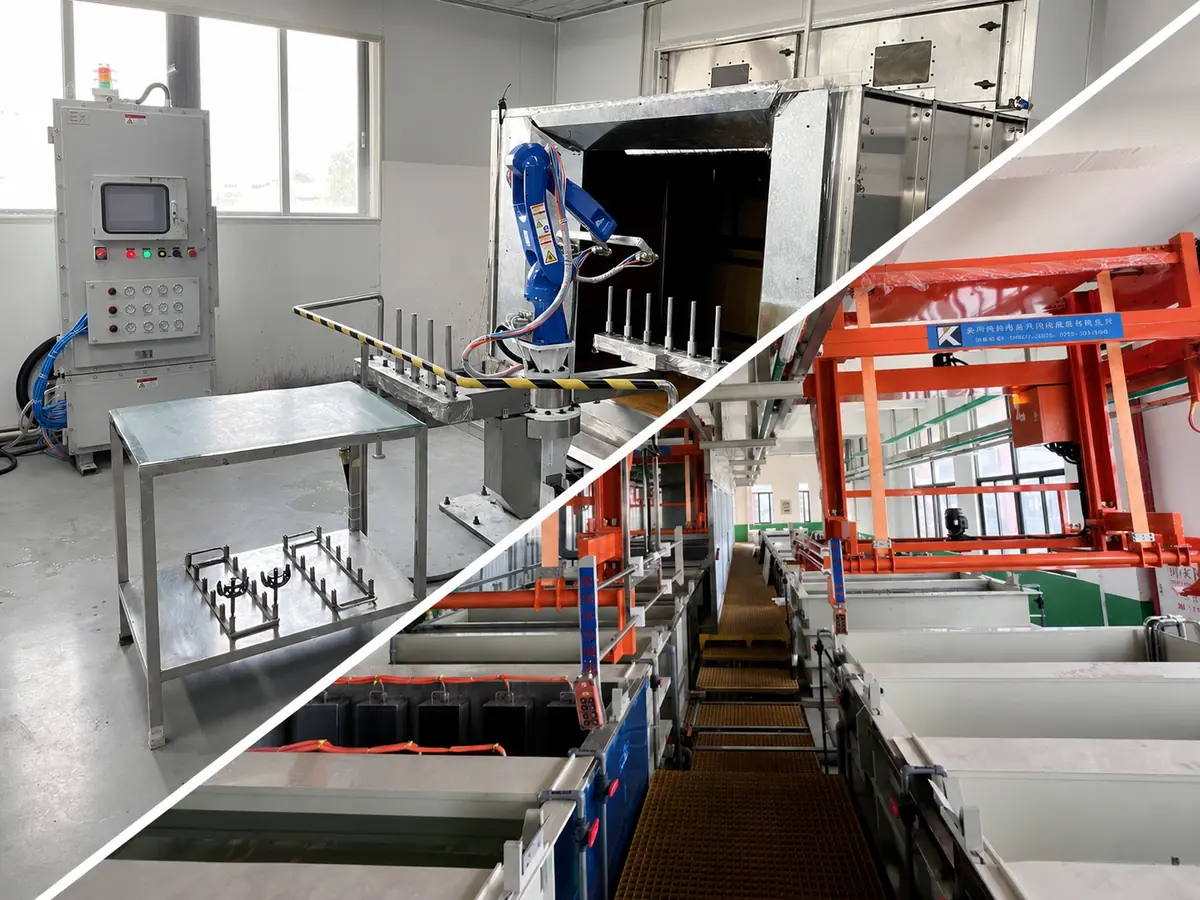
COATING & ANODIZING
Cleaning, masking, electrostatic dust removal, robotic spraying, curing and anodizing support cosmetic and functional requirements.
Available Processes
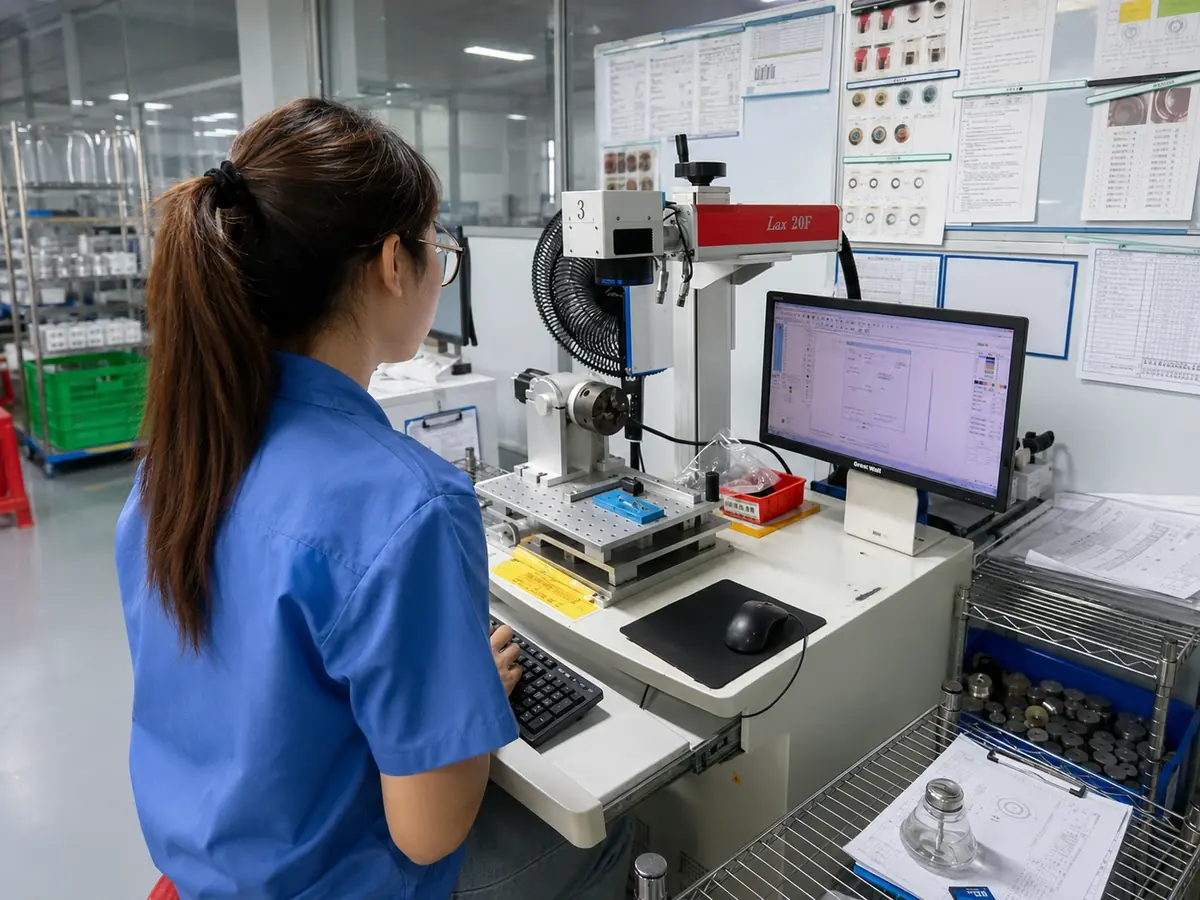
LASER MARKING & PRINTING
Laser marking, screen printing, pad printing, serial numbers, QR codes and batch marks support identification and traceability.
Available Processes
EQUIPMENT & PRODUCTION LINES
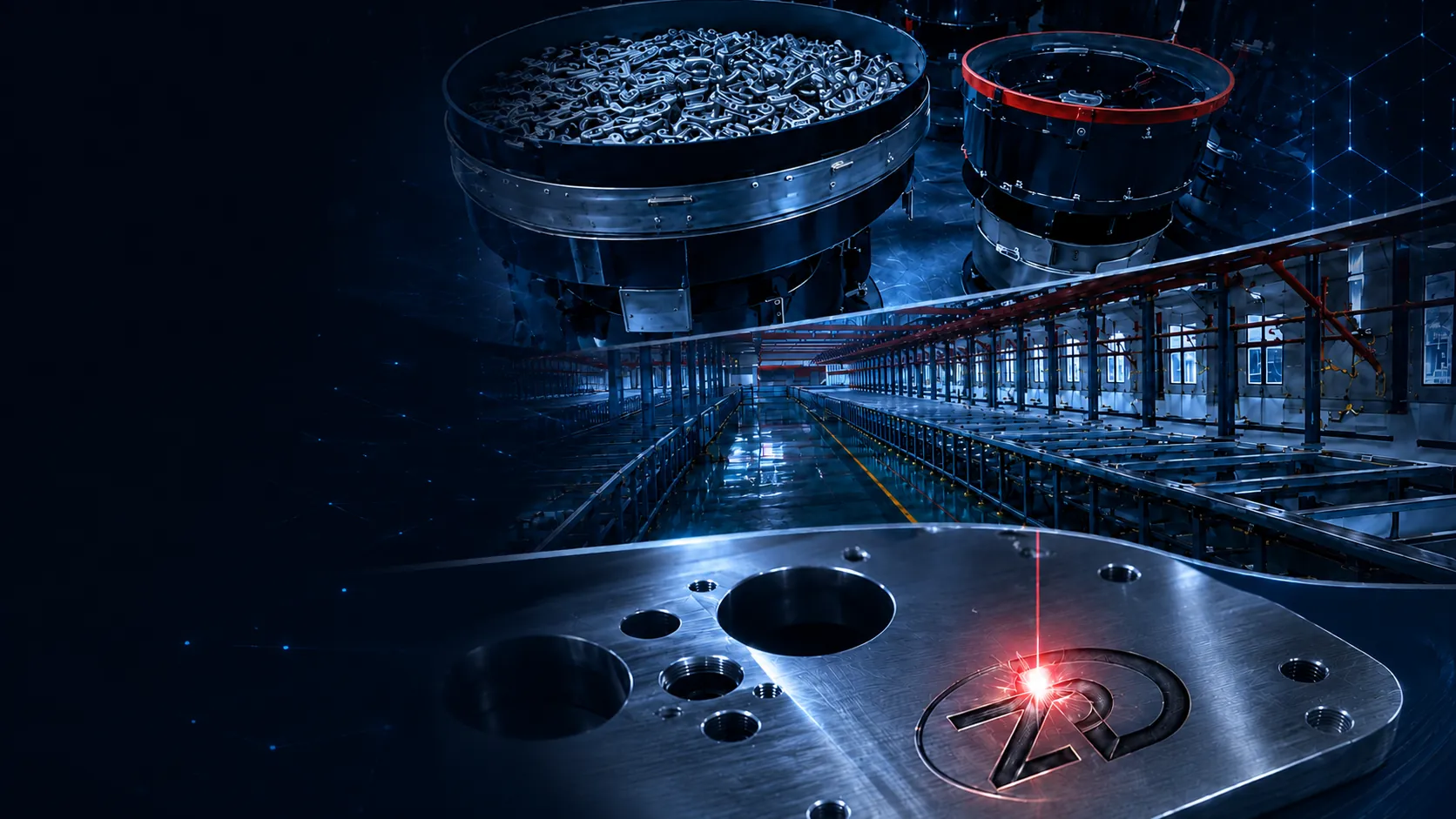
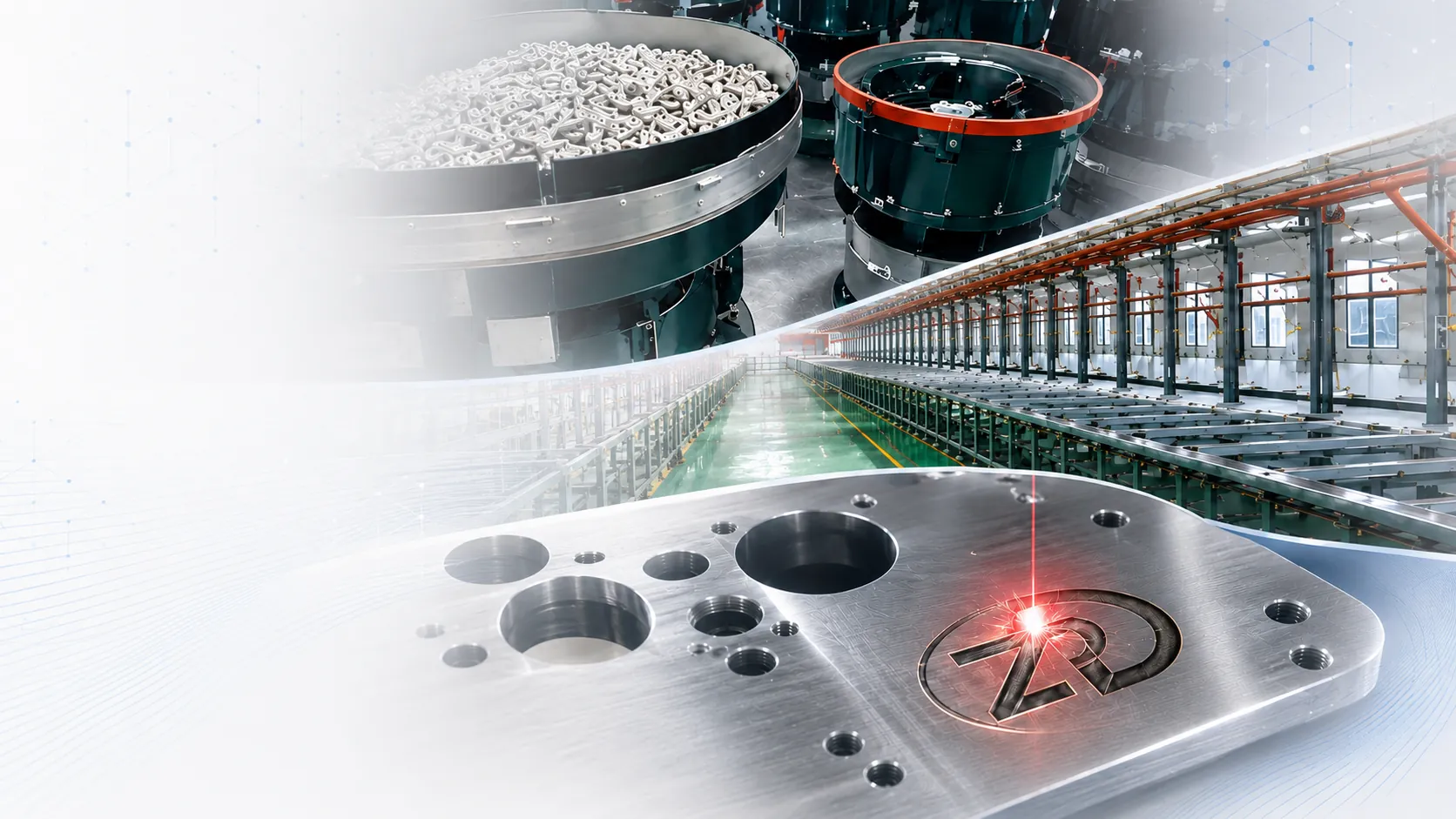
Our in-house equipment covers vibratory finishing, robotic polishing, precision finishing, automatic coating, anodizing and laser marking, with integrated process control and inspection.
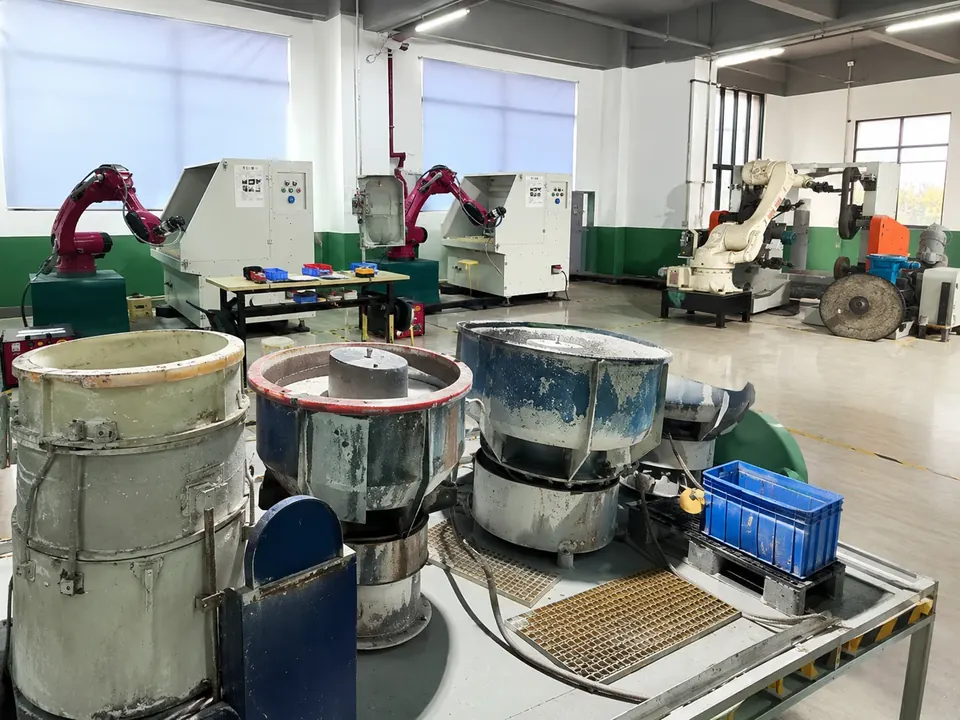
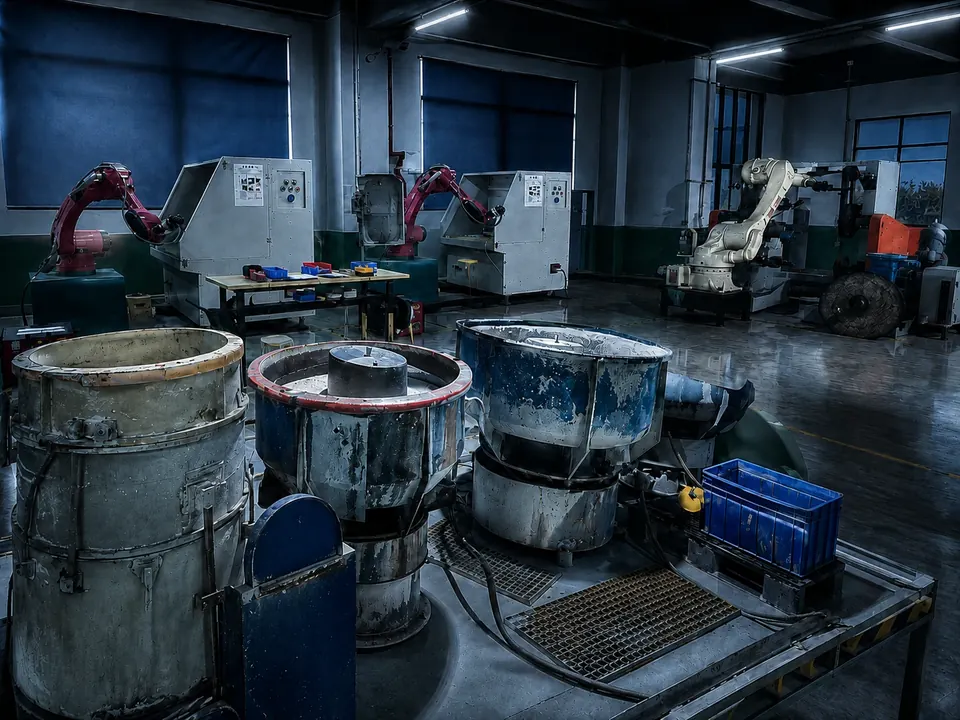
VIBRATORY FINISHING
Continuous interaction between parts and finishing media supports batch deburring, edge rounding and surface equalization.
4 units
Vibratory machines
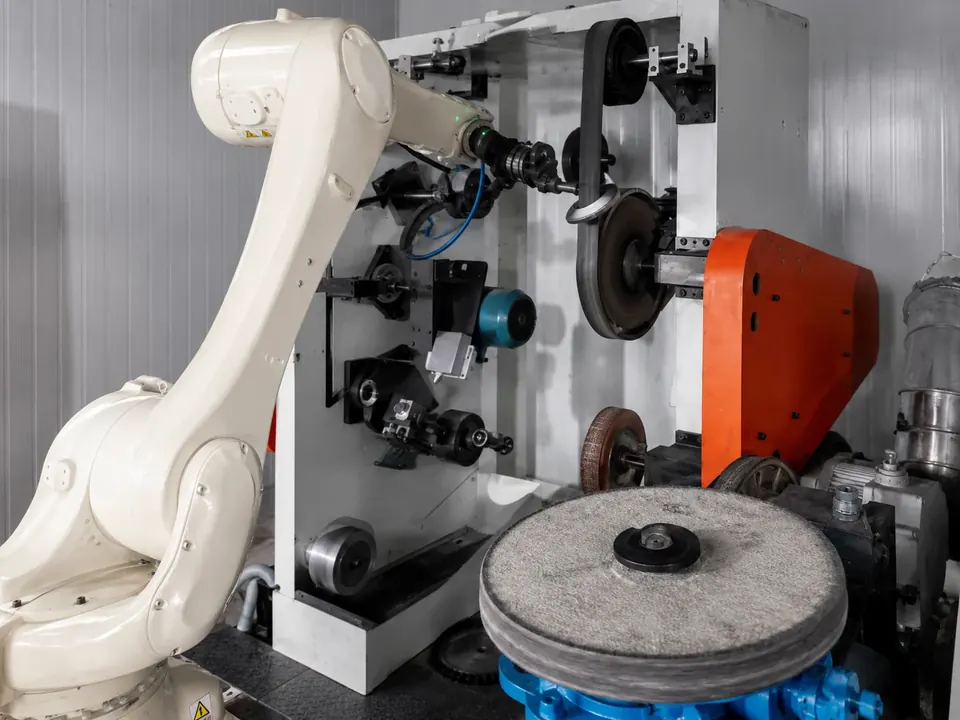
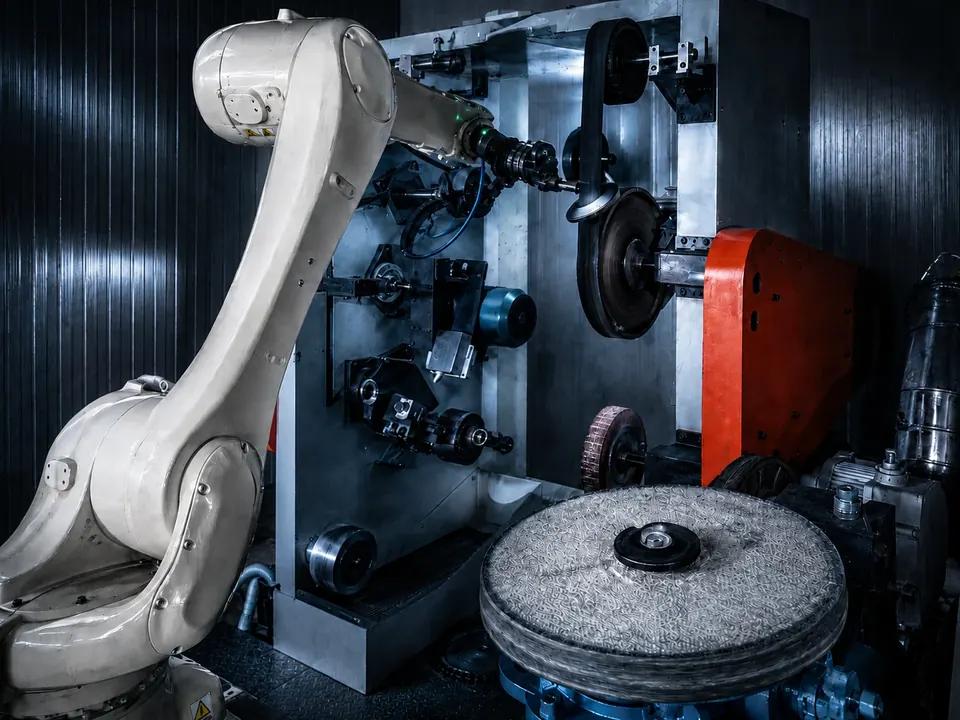
ROBOT POLISHING
Controlled robot paths and multiple polishing tools provide repeatable finishing for complex curves and cosmetic surfaces.
2 units
Polishing robots
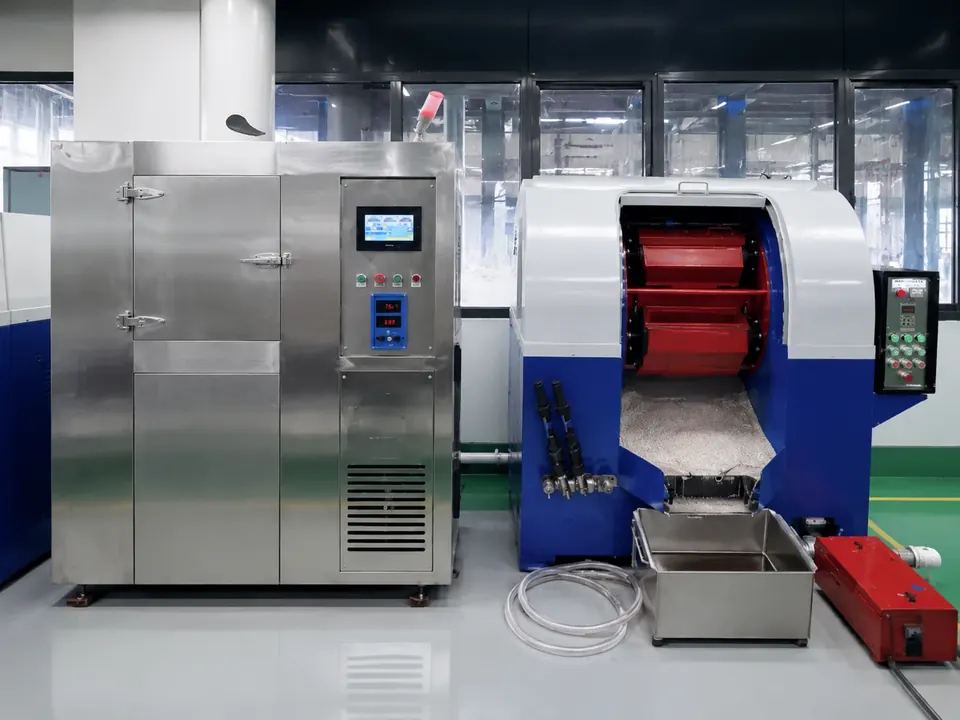
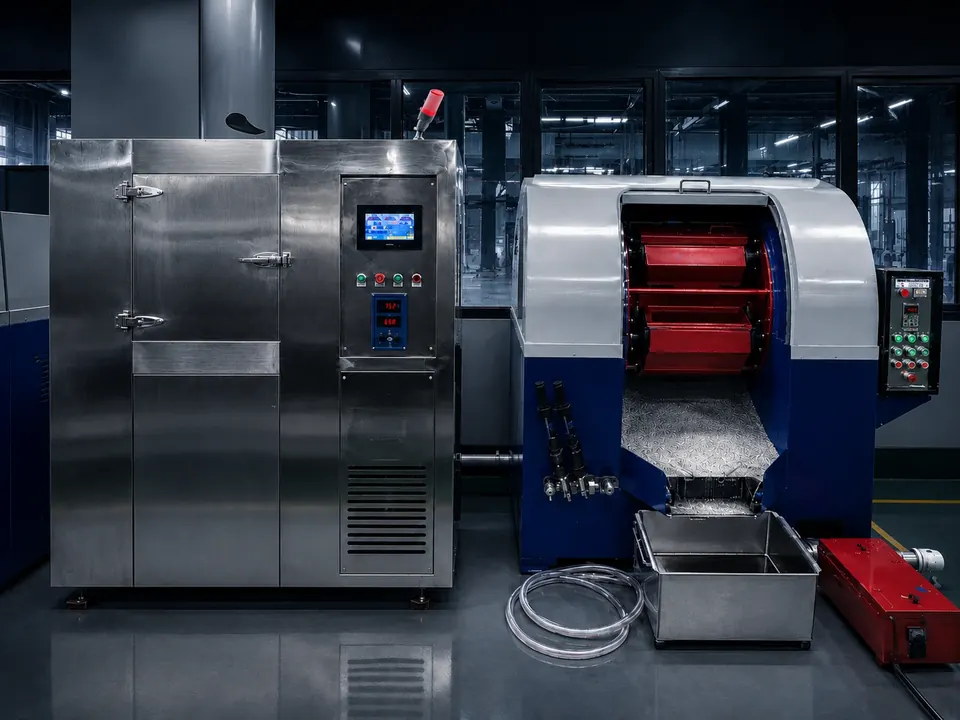
PRECISION & PLASMA FINISHING
Precision, plasma and high-speed rotary finishing improve fine burrs, gloss and surface roughness.
1 + 6 units
Plasma / rotary machines
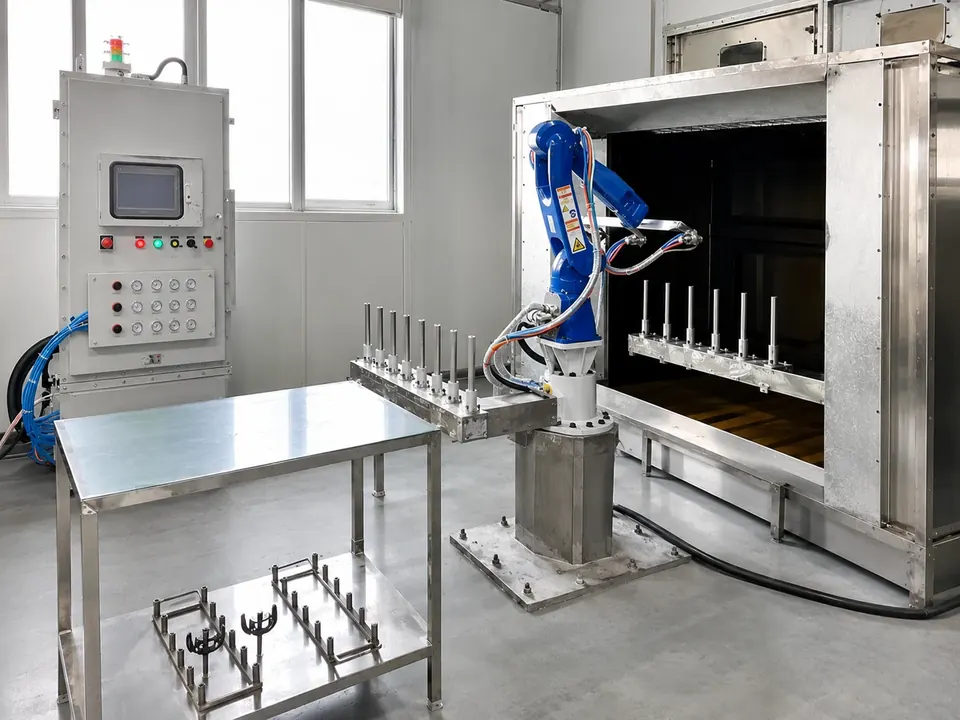
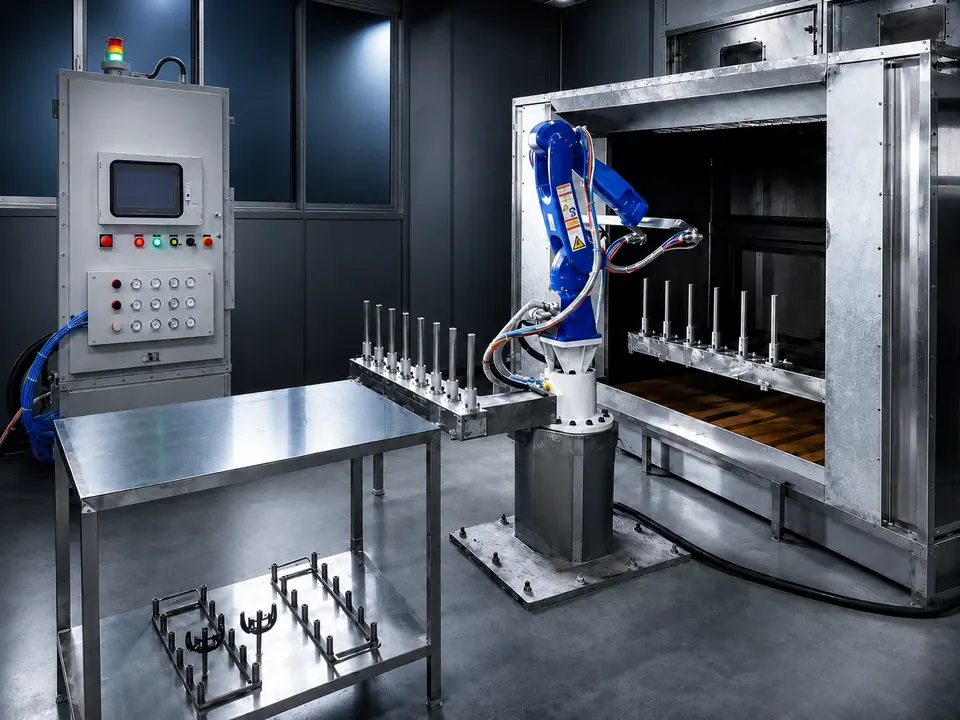
AUTOMATIC COATING
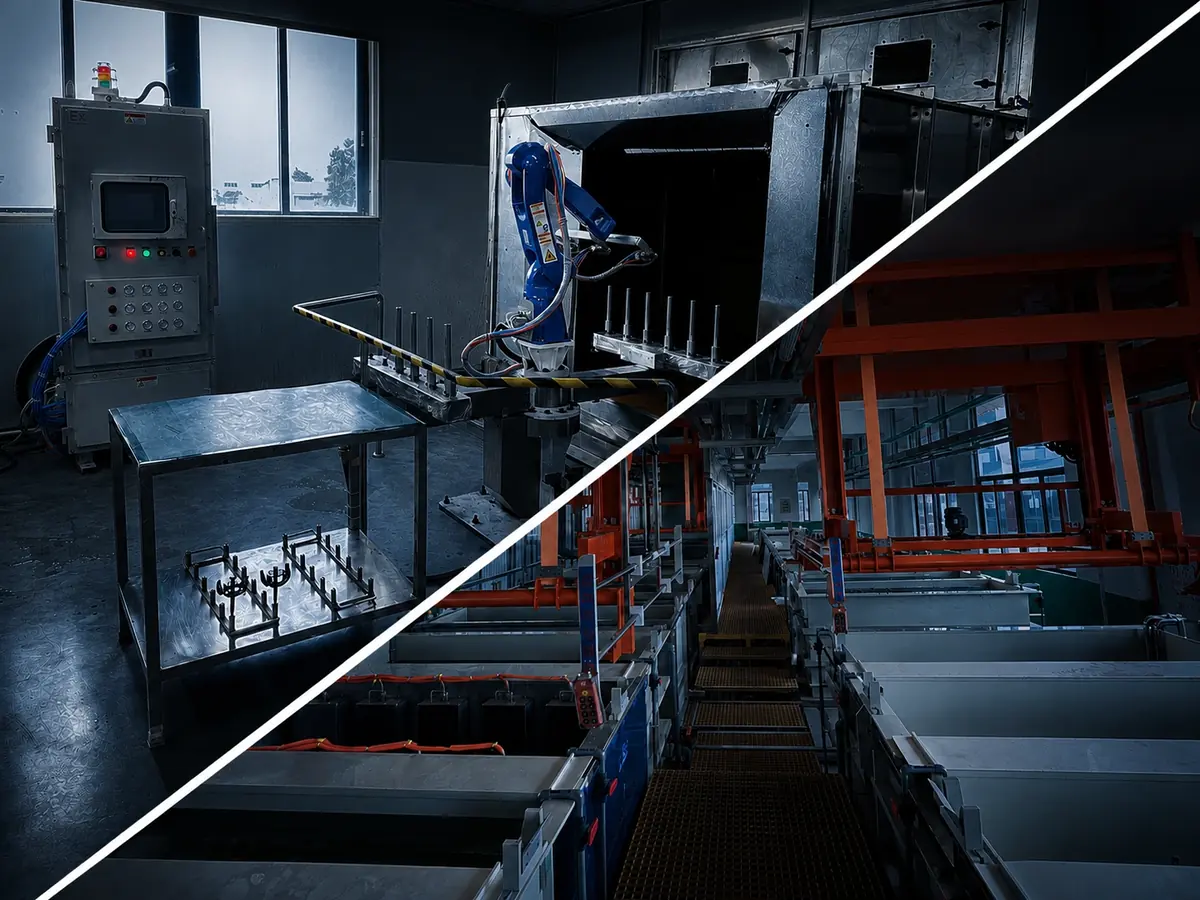
The coating line connects cleaning, masking, dust removal, robotic spraying, curing and visual inspection.
2 units
Coating robots
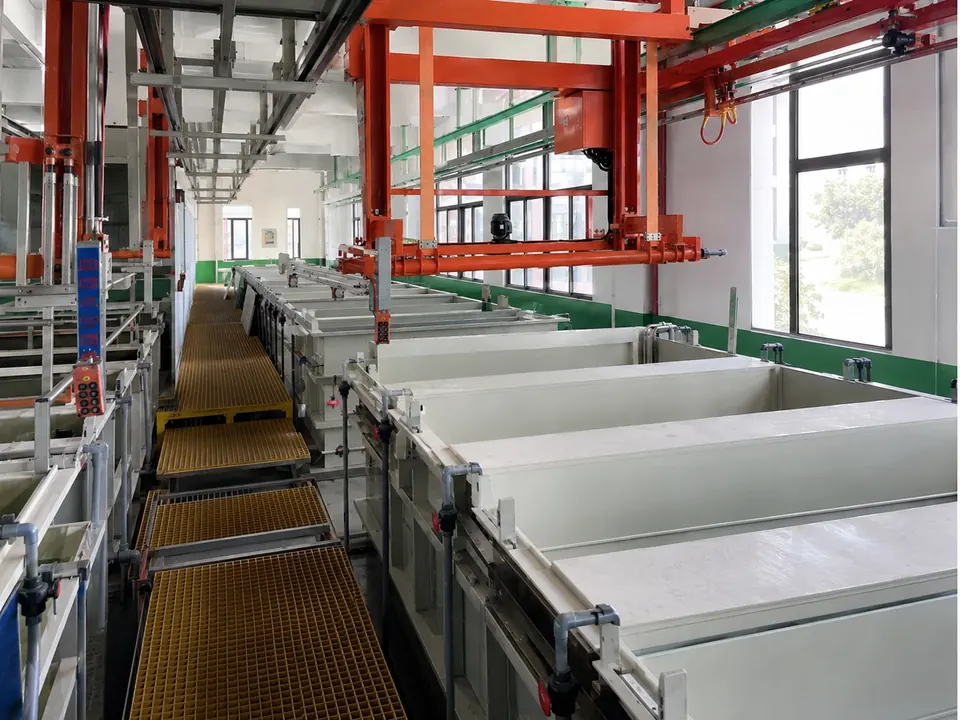
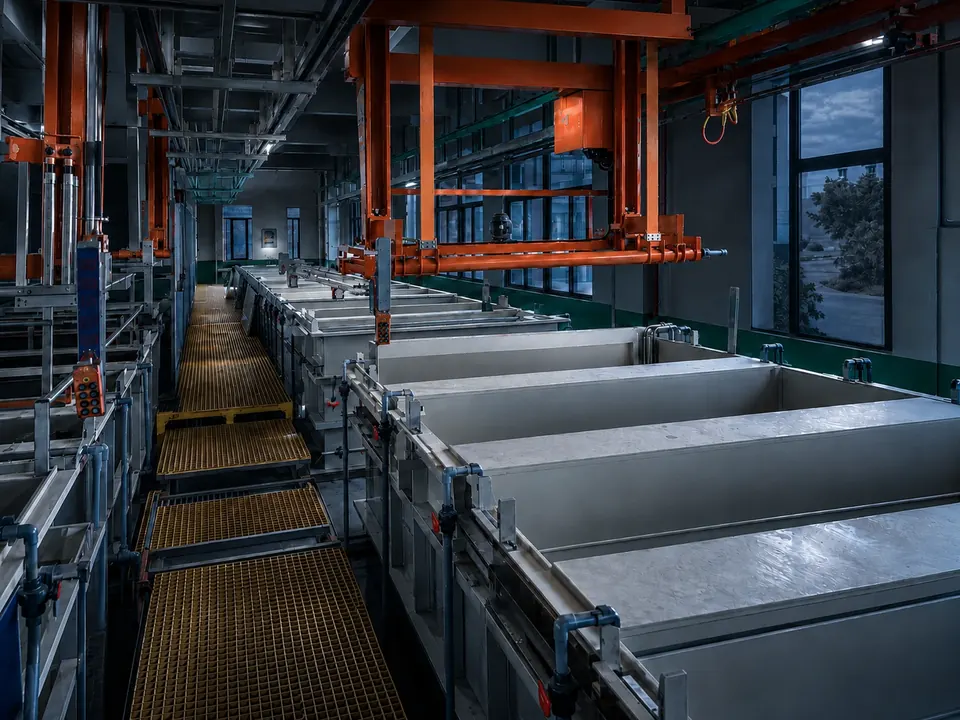
ANODIZING LINE
Automated transfer and process tanks support pretreatment, anodizing, cleaning, sealing and final inspection.
28 units
Anodizing equipment
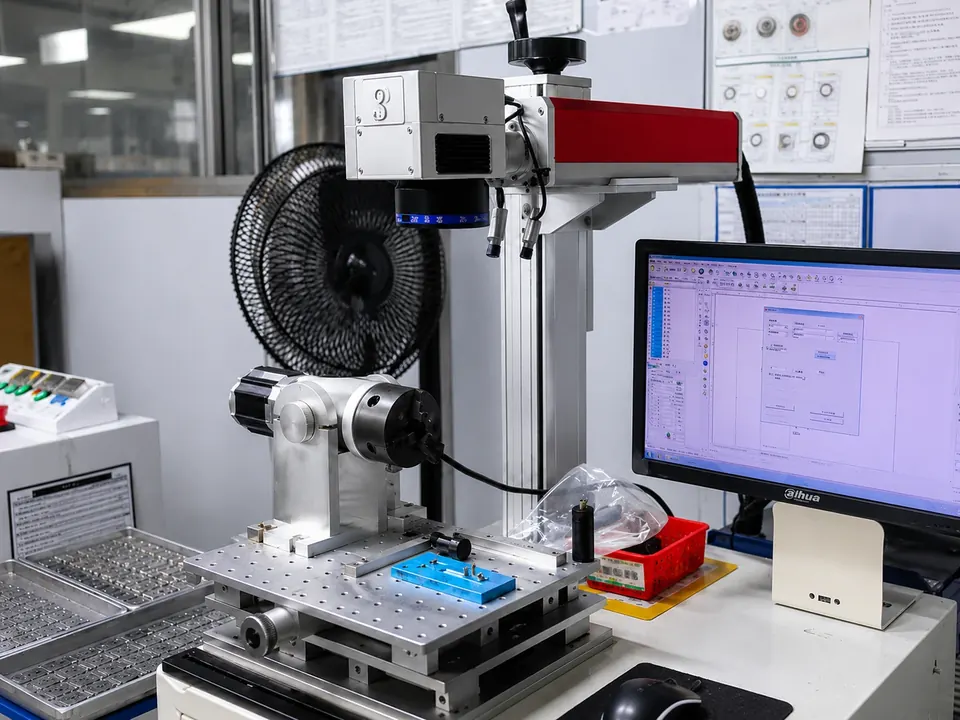
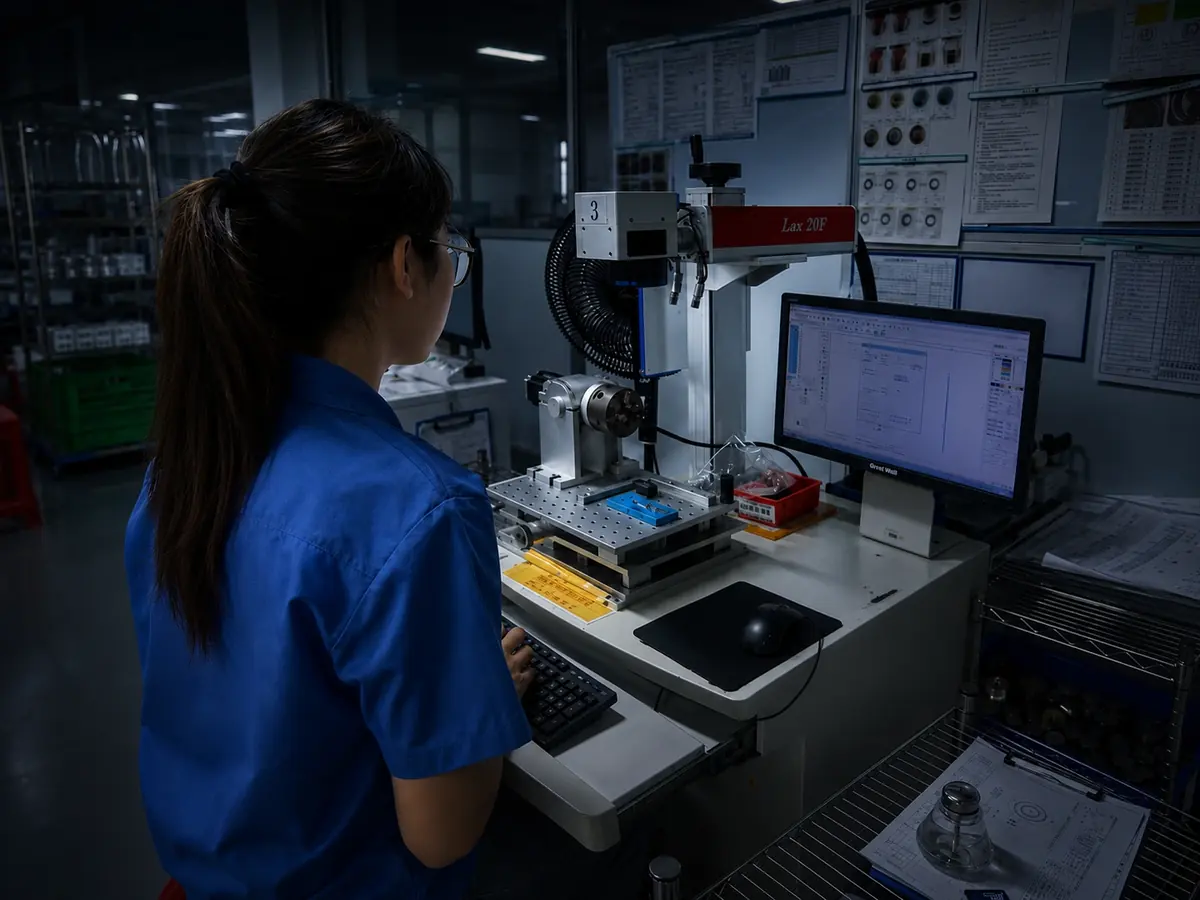
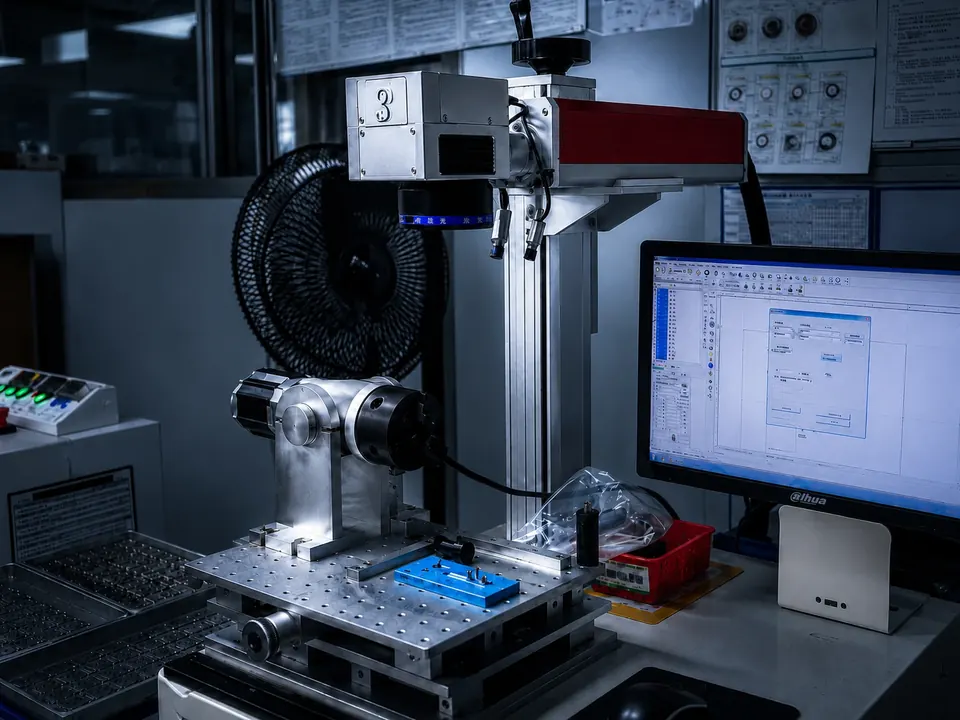
LASER MARKING
Laser workstations produce text, logos, serial numbers, QR codes and batch information for permanent identification.
4 units
Laser marking machines
APPLICATIONS
Our surface treatment capabilities support liquid cooling systems, robotics, optical transceivers, electronics and industrial parts with cosmetic, protective, functional and identification requirements.
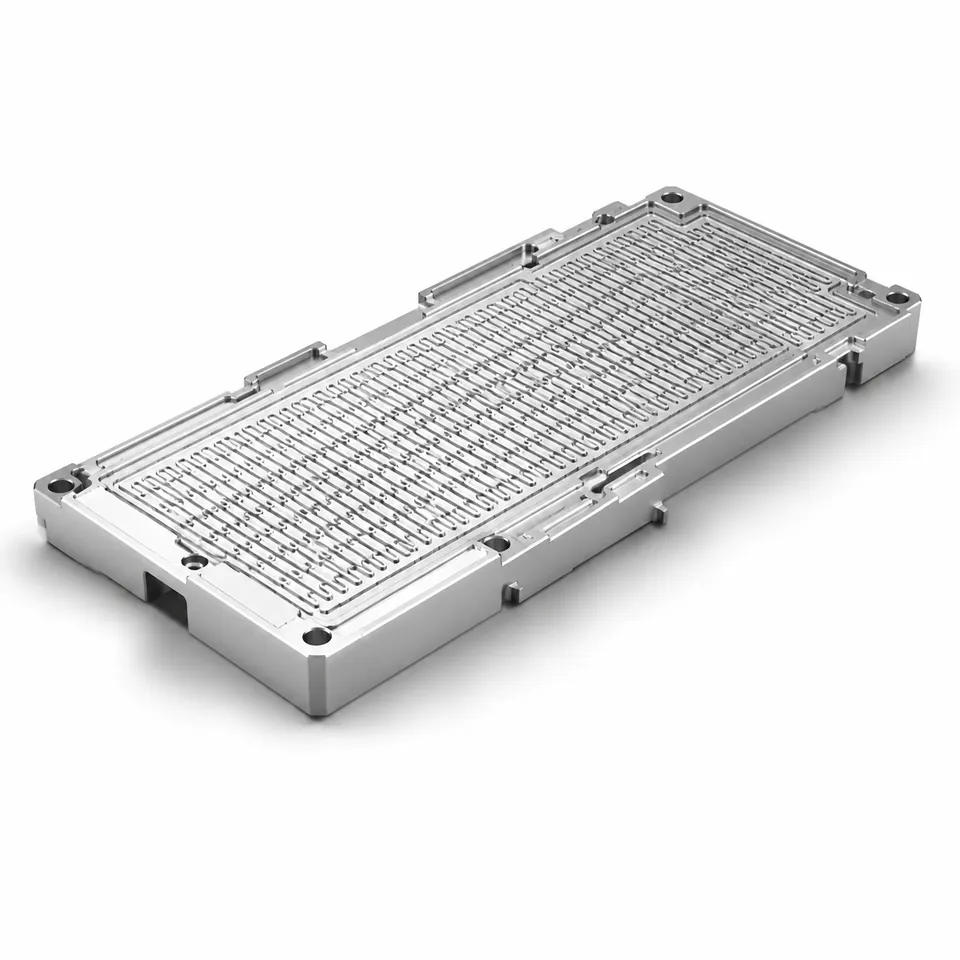
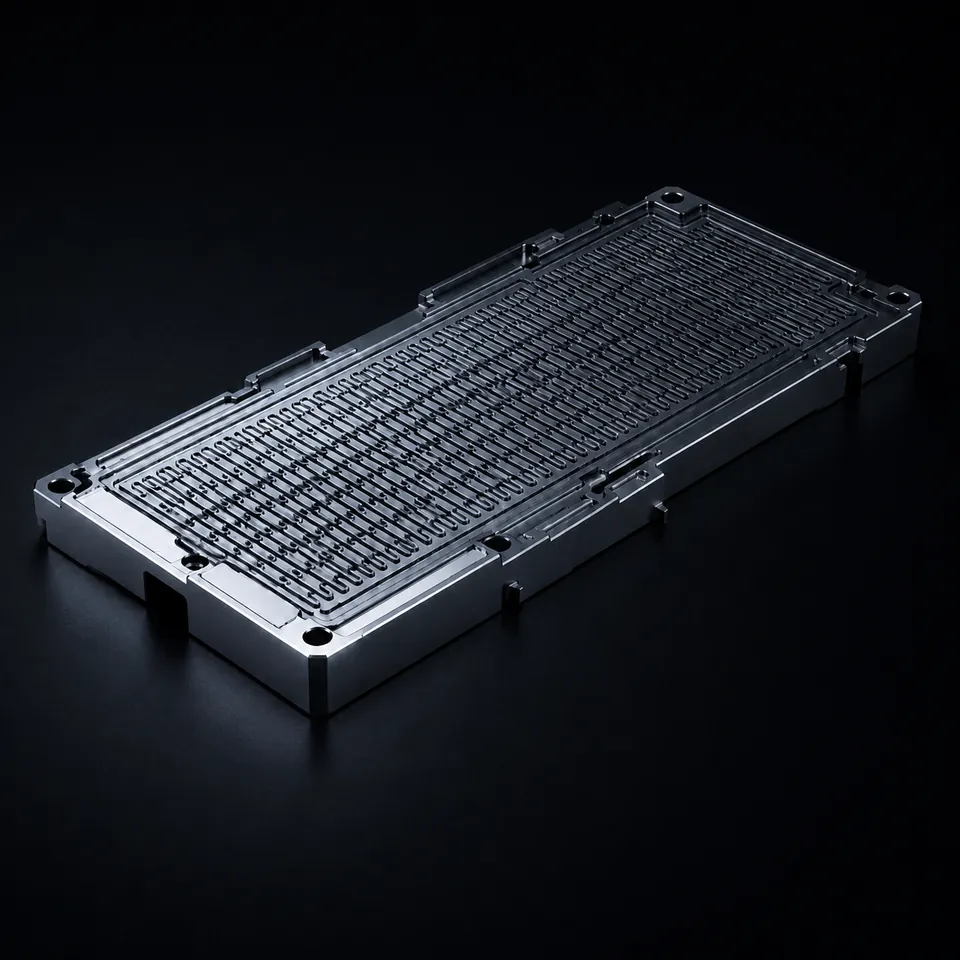
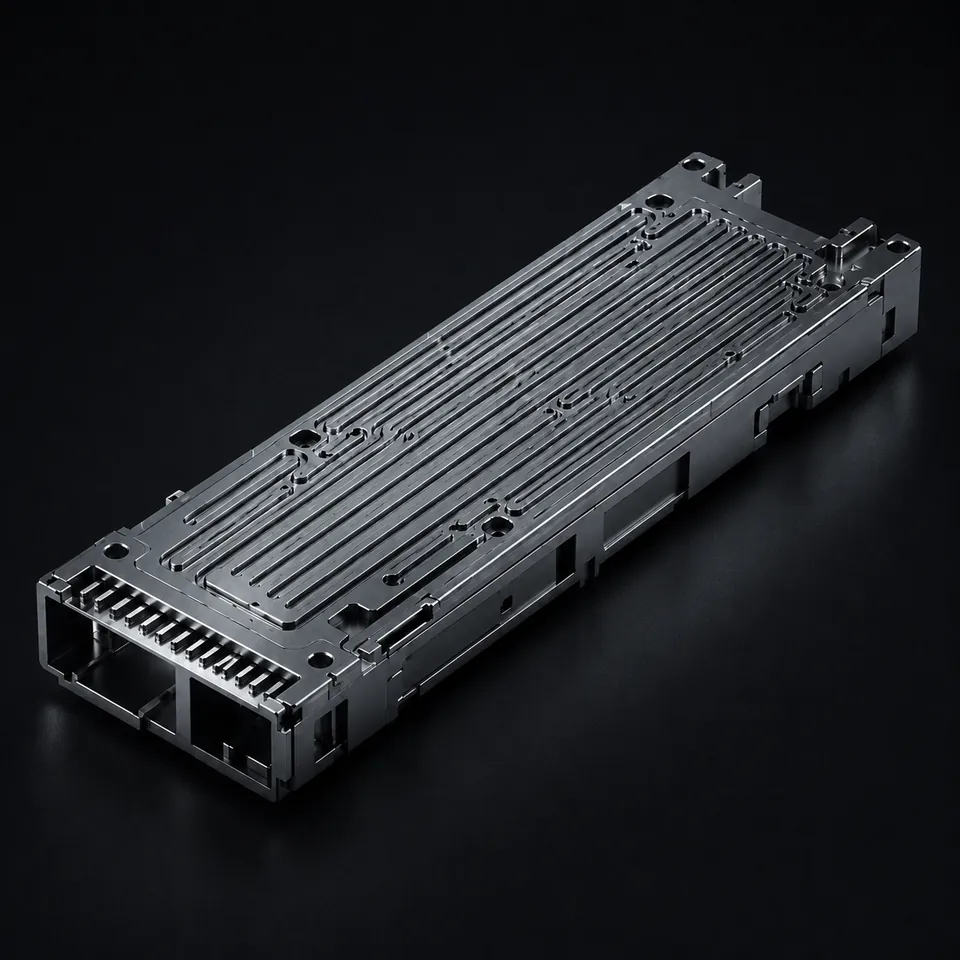
AI LIQUID COOLING
Cold plates, flow-channel plates, covers and thermal structures requiring cosmetic and functional surfaces.
Precision finishing · Anodizing · Laser marking
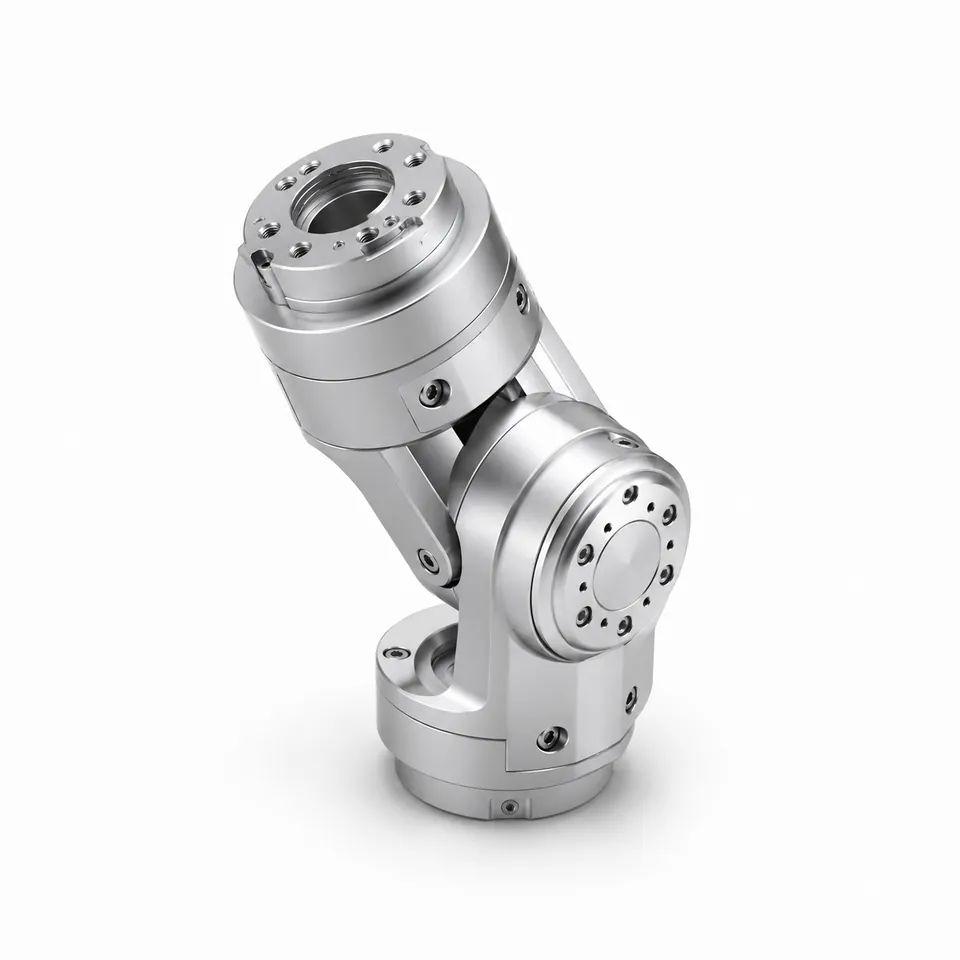
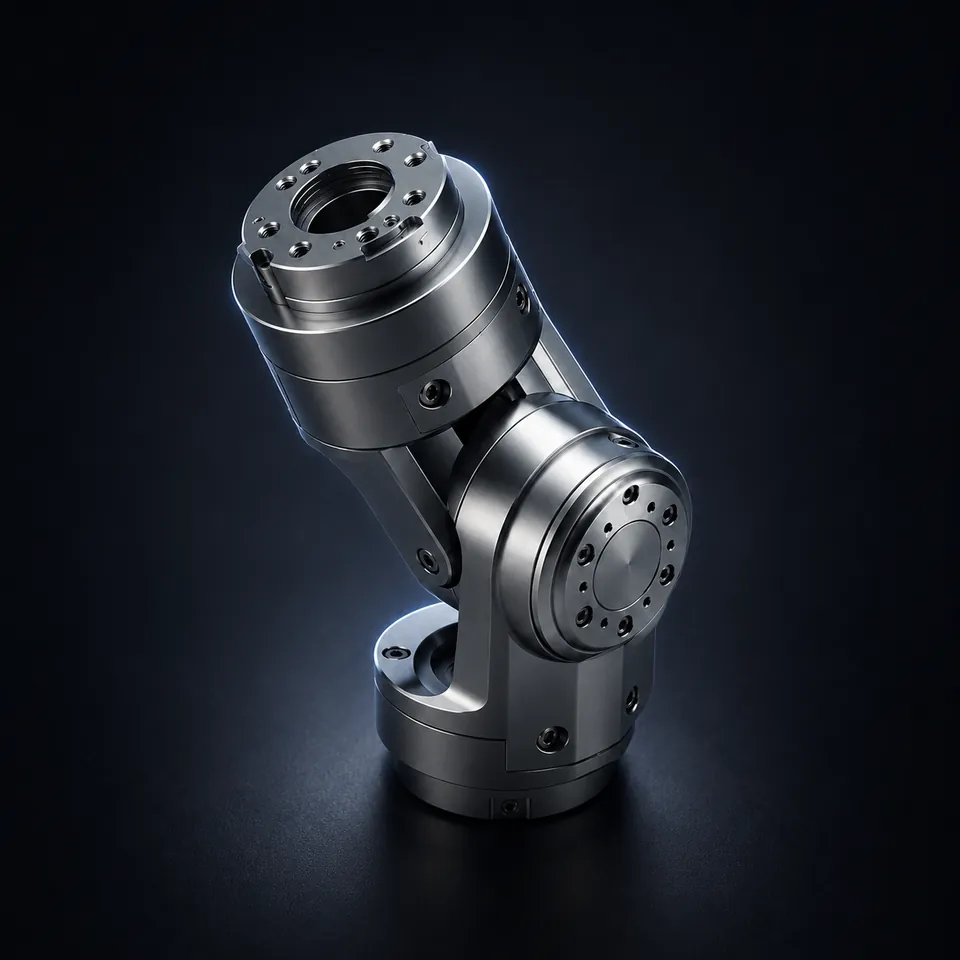
HUMANOID ROBOT
Joint housings, mounting structures and actuator parts requiring controlled cosmetic surfaces.
Robotic polishing · Anodizing · Coating
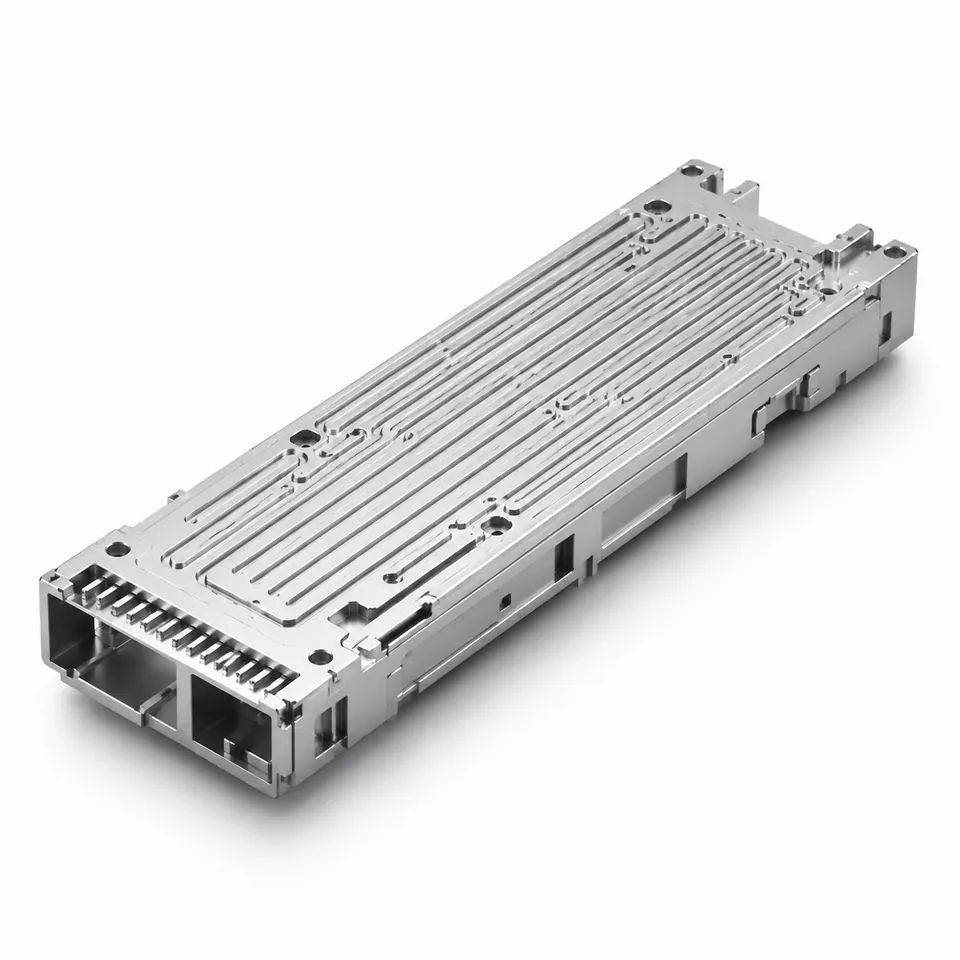
OPTICAL TRANSCEIVER
High-density housings, heat spreaders and structural parts requiring protection and identification.
Precision finishing · Black anodizing · Laser marking
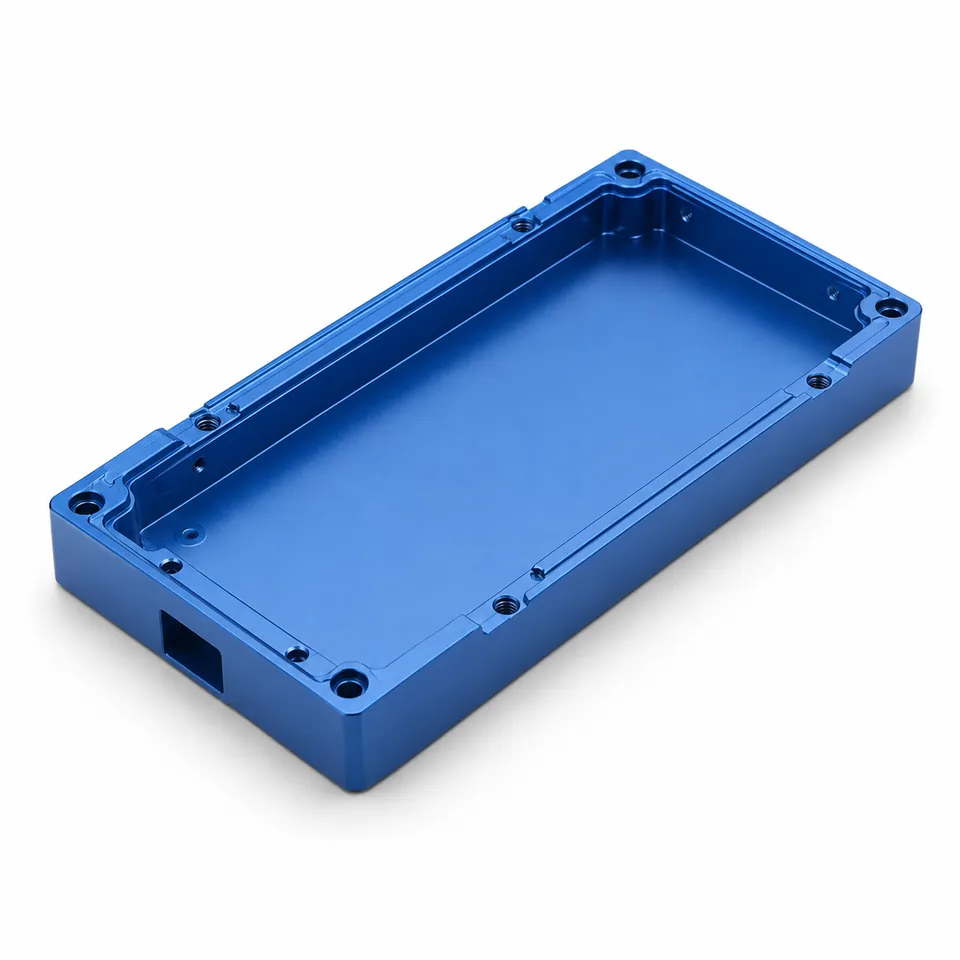
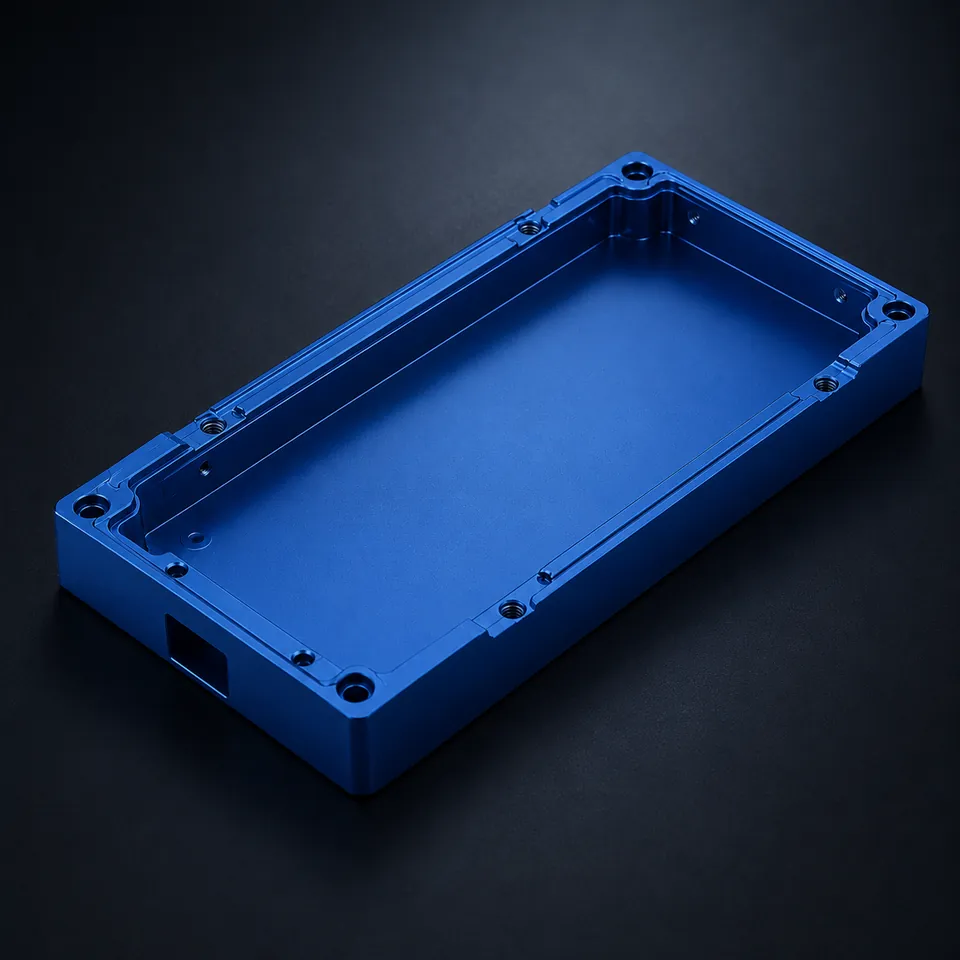
ALUMINUM ENCLOSURE
Controller, instrument and electronic housings requiring color, protection and printed markings.
Color anodizing · Spray coating · Screen printing
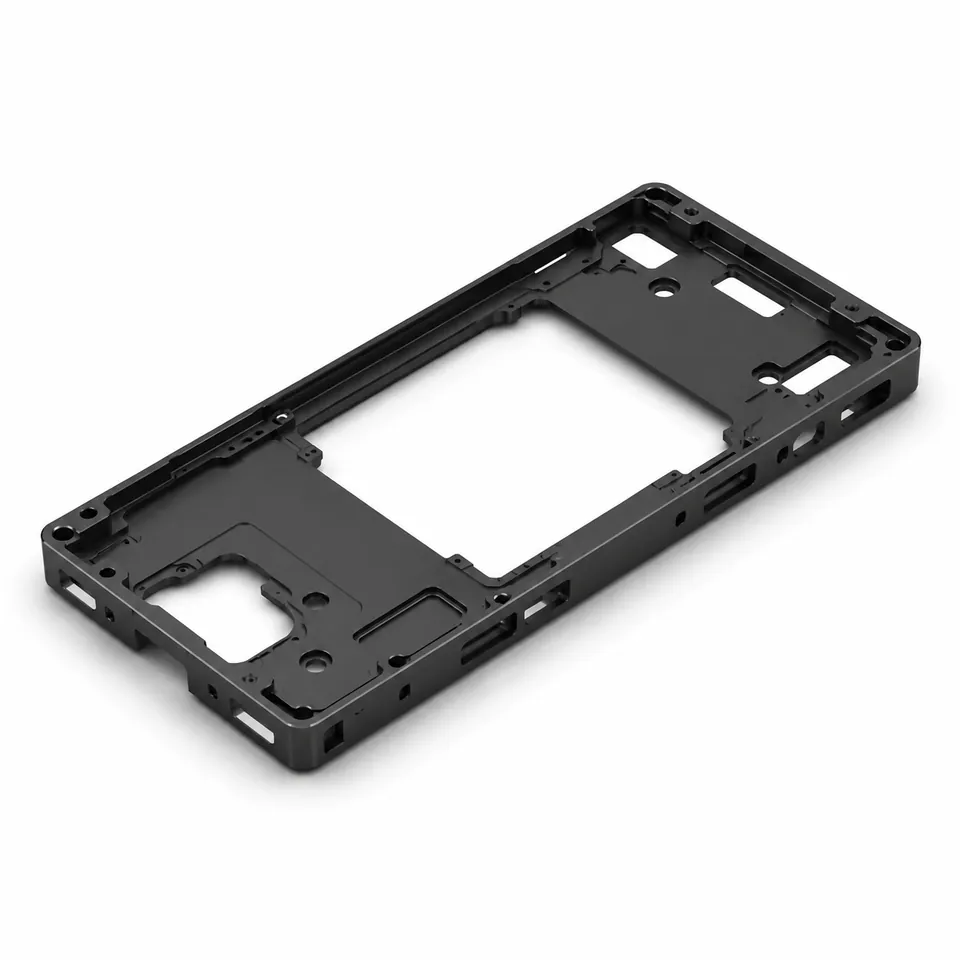
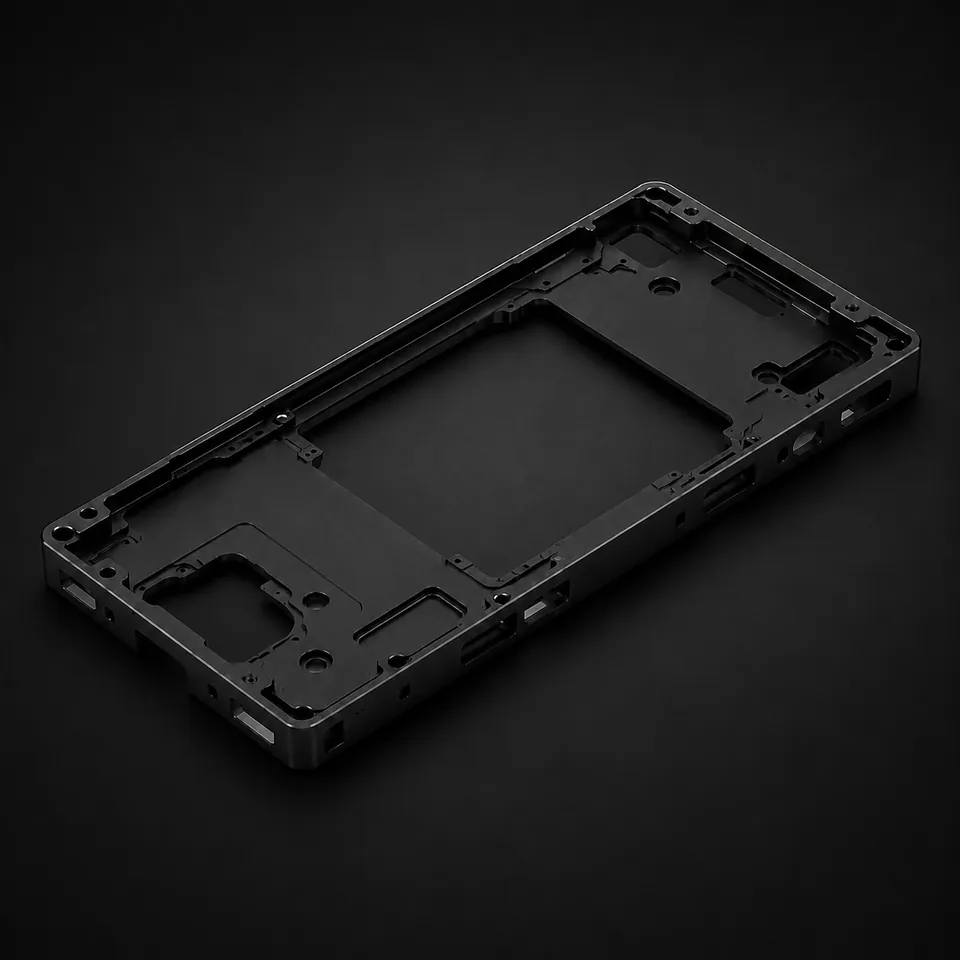
ELECTRONIC STRUCTURE
Equipment frames, mounting bases and internal structures requiring protection and traceability.
Black anodizing · Protective coating · QR codes
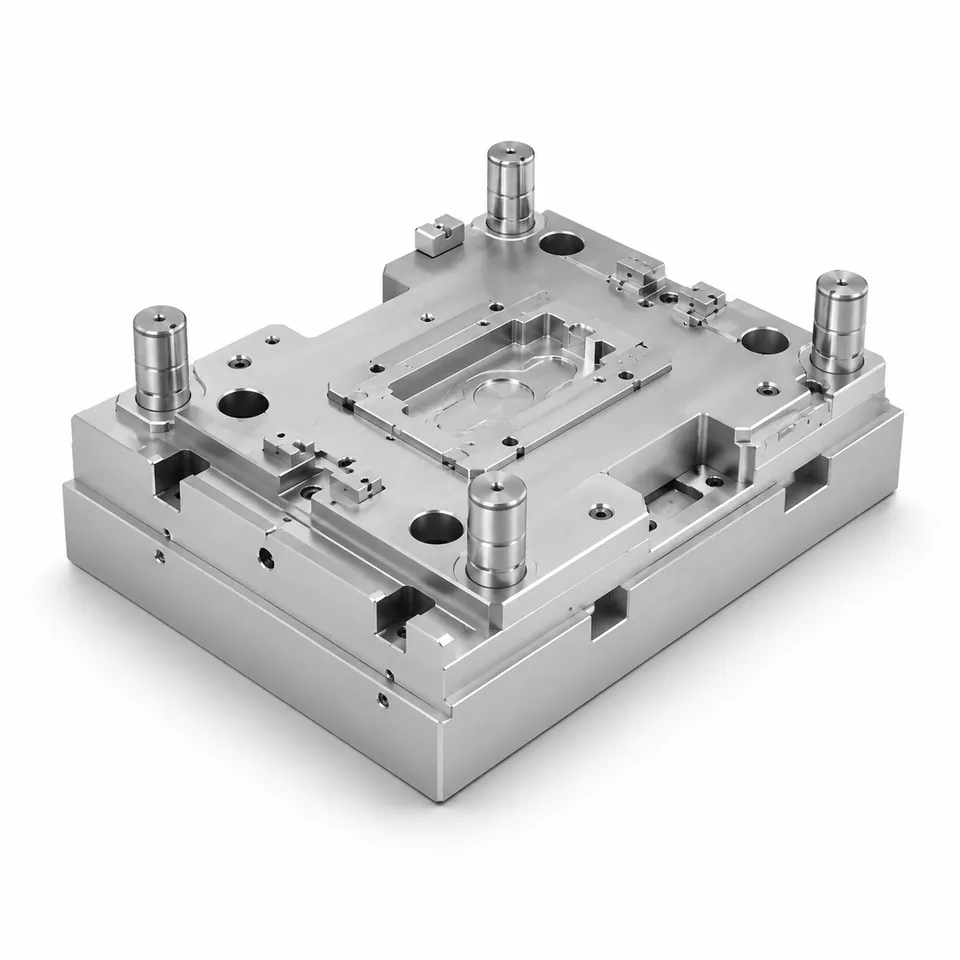
MOLD & INDUSTRIAL PARTS
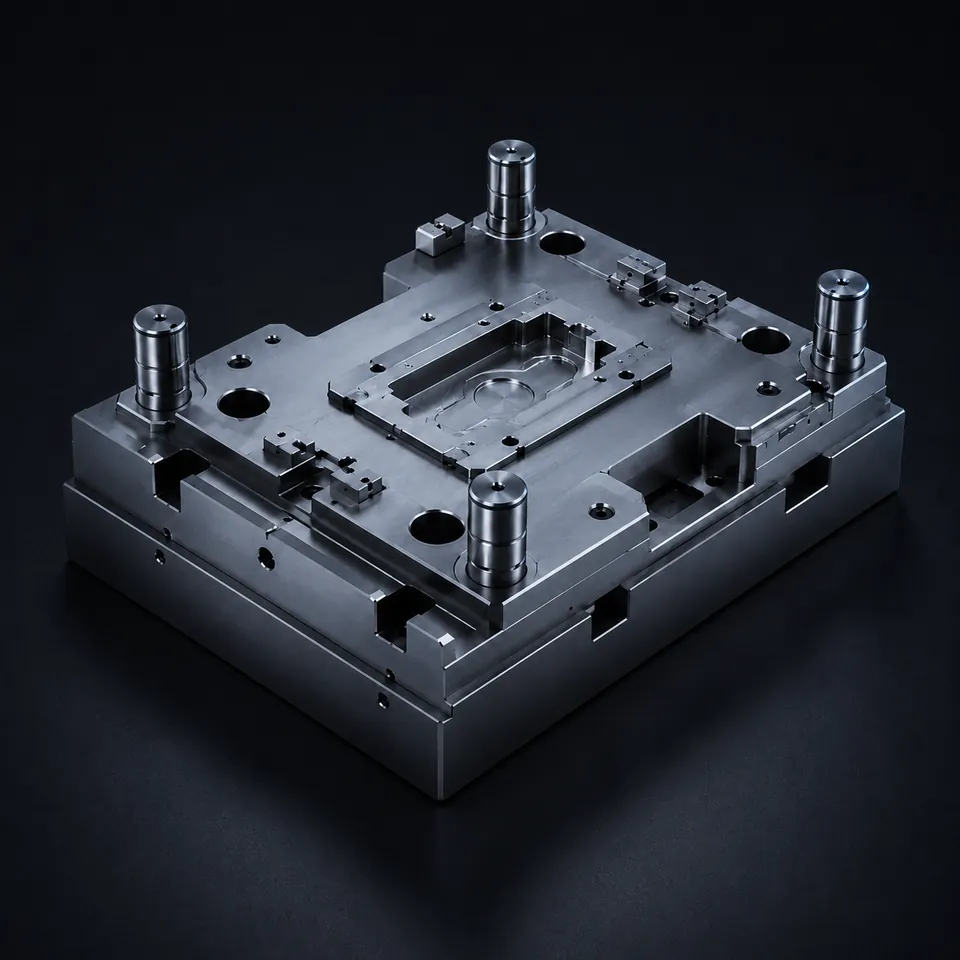
Molds, fixtures, locating bases and industrial components requiring deburring and finishing.
Deburring · Precision finishing · Laser marking
QUALITY & ENGINEERING CONTROLS
Surface treatment quality depends on the base material, pretreatment, masking, fixture design, film thickness, color and post-treatment conditions. Critical requirements are controlled through engineering review, first-article approval and production inspection.
Cleaning, degreasing, deburring and activation methods are selected according to material and appearance requirements.
Burrs, roughness, gloss, texture, chamfers and edge rounding are controlled without excessive material removal.
The effect of coating growth on holes, slots, threads, sealing surfaces and assembly fits is evaluated.
Color samples, limit samples and first-article approval are used to control cosmetic consistency.
Masking and fixture plans protect functional surfaces, electrical contacts and untreated areas.
Required performance is verified and process batches, inspection results and identification records are retained.
Acceptance Criteria
Final acceptance criteria follow customer drawings, color samples, limit samples and technical specifications. Parts with critical cosmetic or performance requirements should be approved through samples and first articles before mass production.
PROCESS SELECTION GUIDE
Surface treatment should be selected according to the base material, appearance requirements, service environment, dimensional tolerances and identification needs. The following guide supports initial selection; the final process is determined through drawing review and sample validation.
Different materials have different levels of compatibility with finishing, coating, anodizing and marking processes.
| Material | Polishing & Finishing | Coating | Anodizing | Marking / Printing |
|---|---|---|---|---|
Aluminum Alloys 6061 / 6063 / 7075, etc. | Recommended | Recommended | Recommended | Recommended |
Zinc Alloys Die-cast structural parts | Recommended | Recommended | Normally Unsuitable | Review Required |
Stainless Steel SUS303 / 304 / 316, etc. | Recommended | Review Required | Normally Unsuitable | Recommended |
Carbon Steel Mechanical and industrial parts | Review Required | Recommended | Normally Unsuitable | Recommended |
Engineering Plastics ABS / PC / PBT, etc. | Normally Unsuitable | Review Required | Normally Unsuitable | Review Required |
Results may vary with alloy grade, heat-treatment condition, casting defects and the original surface condition.
Improve texture, gloss, color and the overall cosmetic quality of the product.
Improve protection in humid, salt-spray and general industrial environments.
Support insulation, protection and controlled conductive areas on precision parts.
Add product colors, logos, operating marks and brand identification.
Protect holes, slots, threads, sealing surfaces and critical assembly fits.
Support product identification, production-batch management and quality traceability.
Selection Note
The final process should confirm material grade, original surface condition, critical dimensions, service environment, approved color samples and required performance testing. Sample validation and first-article approval are recommended for critical cosmetic or functional requirements.
RFQ REQUIREMENTS
Complete RFQ information supports a more accurate review of process feasibility, appearance standards, dimensional compensation, lead time and pricing.
PDF / DWG
STEP / IGES
Grade / heat treatment / blank
Prototype / pilot / production
Process / color / gloss
Thickness / tolerance / allowance
Threads / seals / contacts
Color / limit samples / surfaces
Adhesion / salt spray / roughness
Protection / batch / labels
ENGINEERING FAQ
Anodizing is commonly selected for aluminum corrosion resistance, insulation and color. Coating supports a wider range of materials, colors and protective requirements. Polishing and finishing are used mainly for deburring, roughness, gloss and edge control. Final selection depends on the material, environment, appearance class and dimensional requirements.
Yes. Anodic films and coatings add thickness to treated surfaces. Critical holes, slots, threads, sealing surfaces and mating areas may require machining allowance, masking or post-treatment finishing. Compensation should be confirmed according to the selected process and target thickness.
Material grade, heat-treatment condition, starting roughness, pretreatment, film thickness, bath condition and curing parameters can all affect color. Critical cosmetic parts should use approved color samples, limit samples and first-article approval.
Yes. Vibratory finishing, robotic polishing and precision finishing all remove material. Thin walls, sharp edges, sealing surfaces and critical fits require controlled time, media, pressure and polishing paths, together with clearly defined protected areas.
The material, treated surface, marking position, character size, contrast, QR-code grade and rub-resistance requirement must be confirmed. Samples should be approved before production, followed by visual or scanning verification.
Upload your drawings. Our engineering team will provide a manufacturing review and quotation within 24 hours.