MOLDING & DIE CASTING

Molding & Die Casting Injection Molding · ADC / ZDC Die Casting · MIM / PM

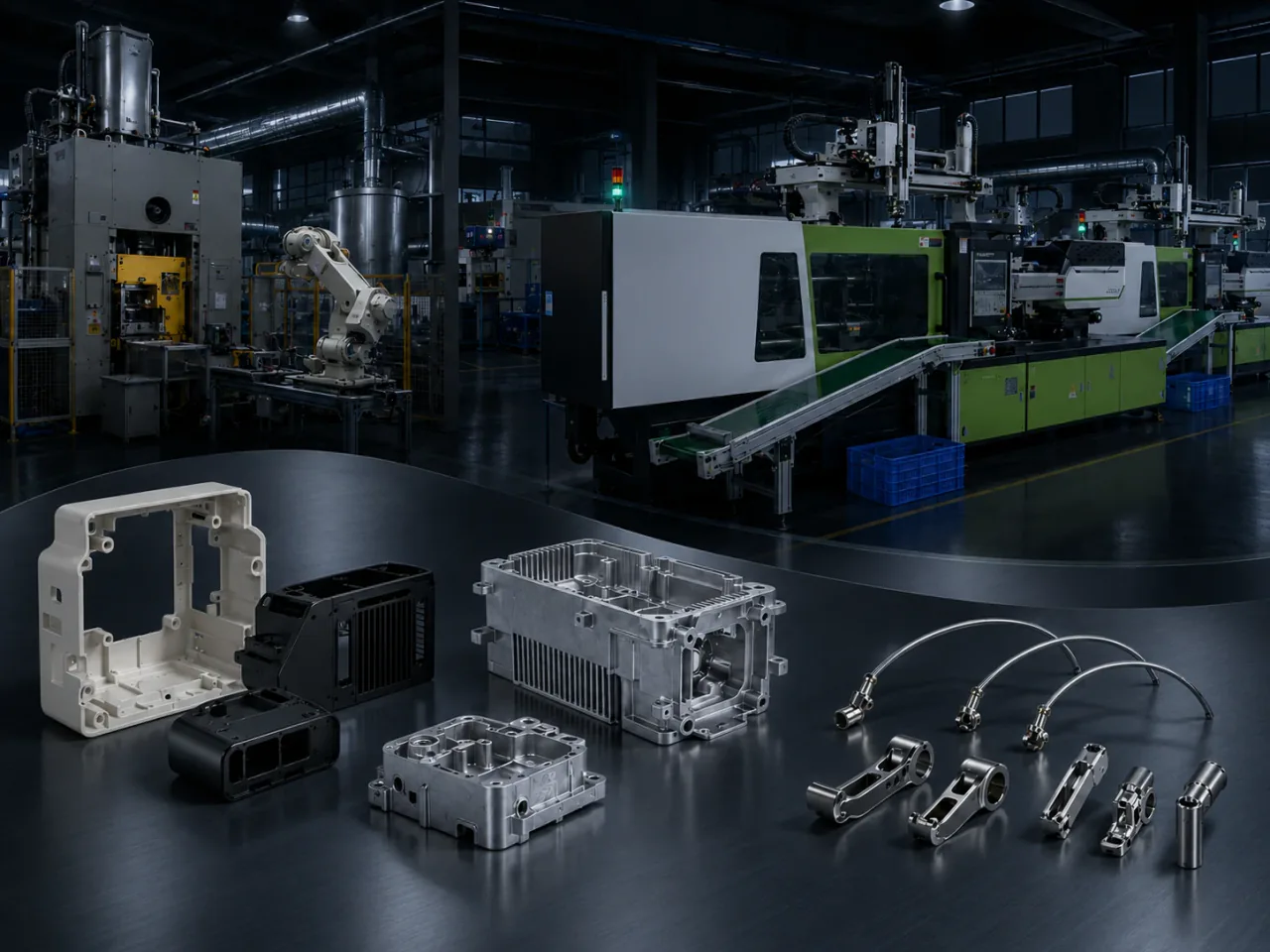
Based on product geometry, material properties, annual demand and critical quality requirements, we provide forming solutions from mold development and process validation through stable mass production, with integrated CNC machining, finishing, surface treatment and assembly.

  • Integrated mold and process engineering
  • Post-molding precision machining
  • Surface finishing and assembly
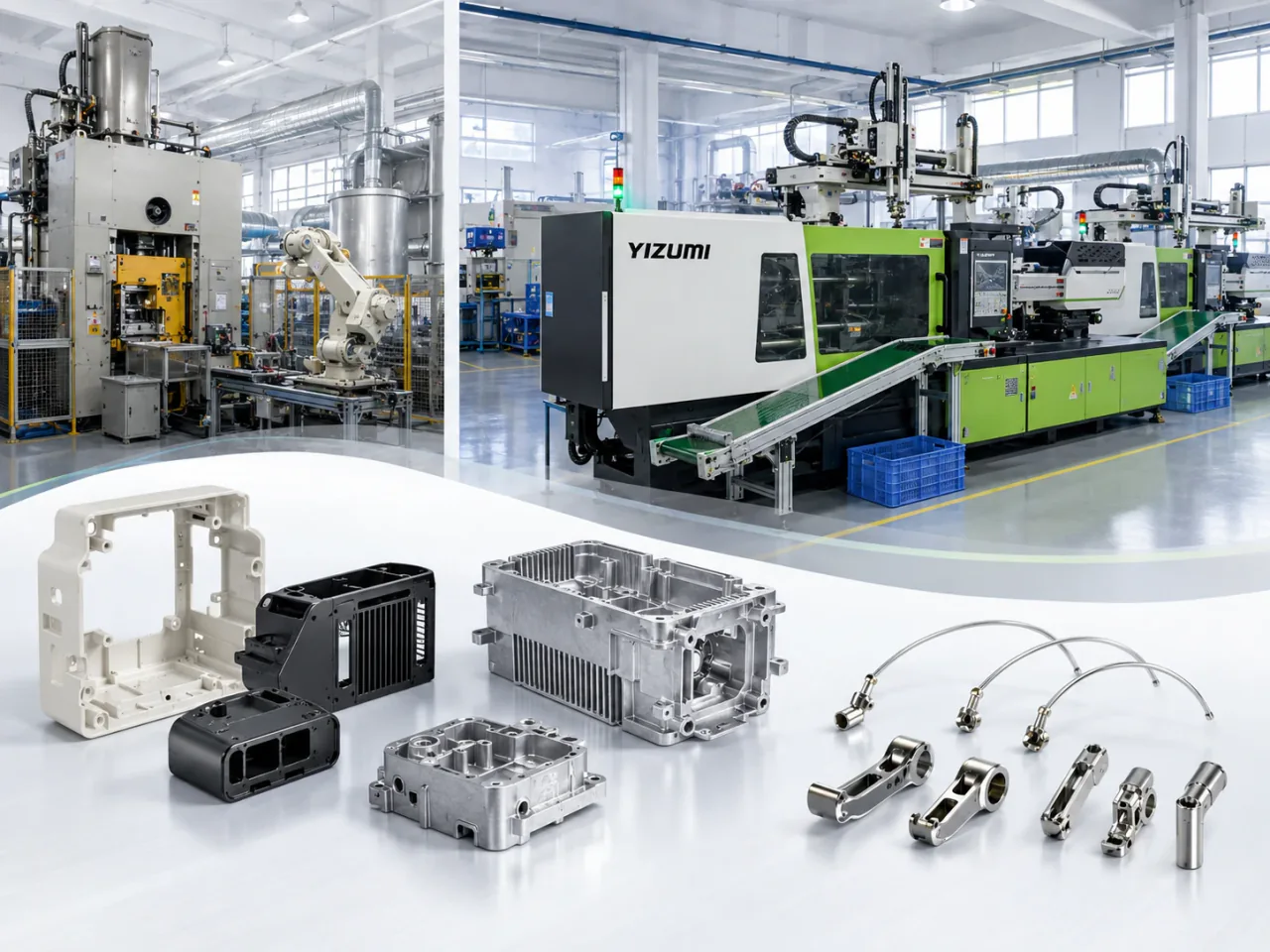
Injection molding, ADC and ZDC die casting, and MIM and PM manufacturing capabilities at Zhongde Precision
3
Forming processes
6
Injection molding machines
5
ADC / ZDC die-casting machines
Integrated
From mold to assembly

FORMING CAPABILITIES

Three Forming Capabilities

Injection molding, ADC / ZDC die casting or MIM / PM forming routes are selected according to product geometry, material behavior, annual demand and critical quality requirements, with integrated mold development, secondary machining and production delivery.

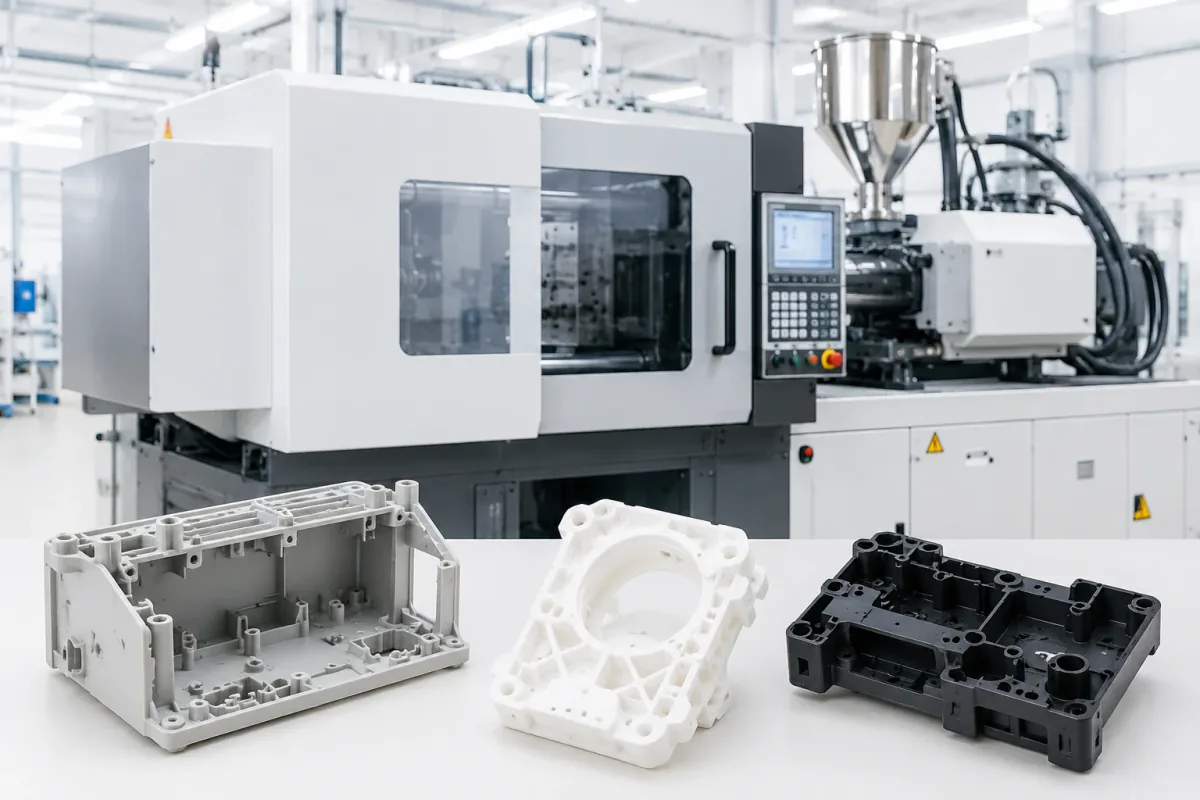
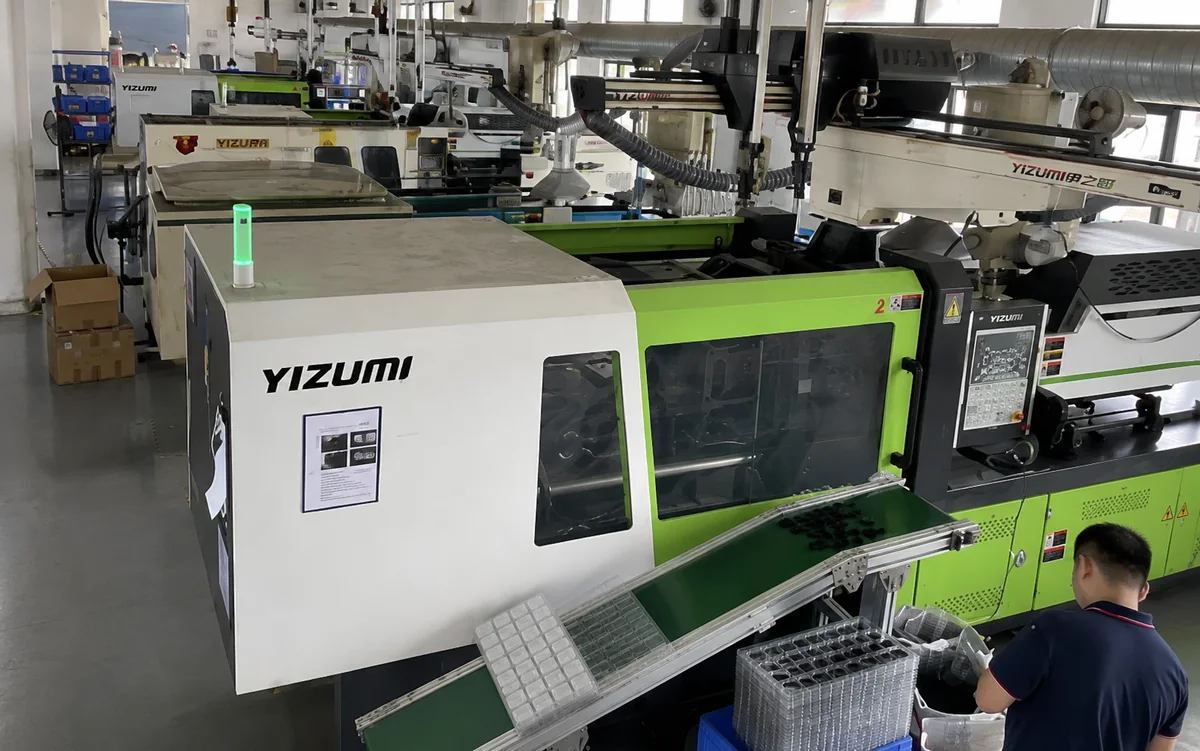
Injection molding equipment and plastic structural parts at Zhongde Precision

INJECTION MOLDING

Injection Molding

For plastic structural, functional, appearance and insert-molded components, covering mold development, trials, process settings and volume production.

6
Molding machines
3
Yizumi electric machines
2
Six-axis robots
Volume
Stable production control

Production area: 1,008 m²

Engineering Focus

  • Gates and runners
  • Air traps and venting
  • Sink and warpage
  • Weld-line control
  • Ejection and release
  • Cycle stability
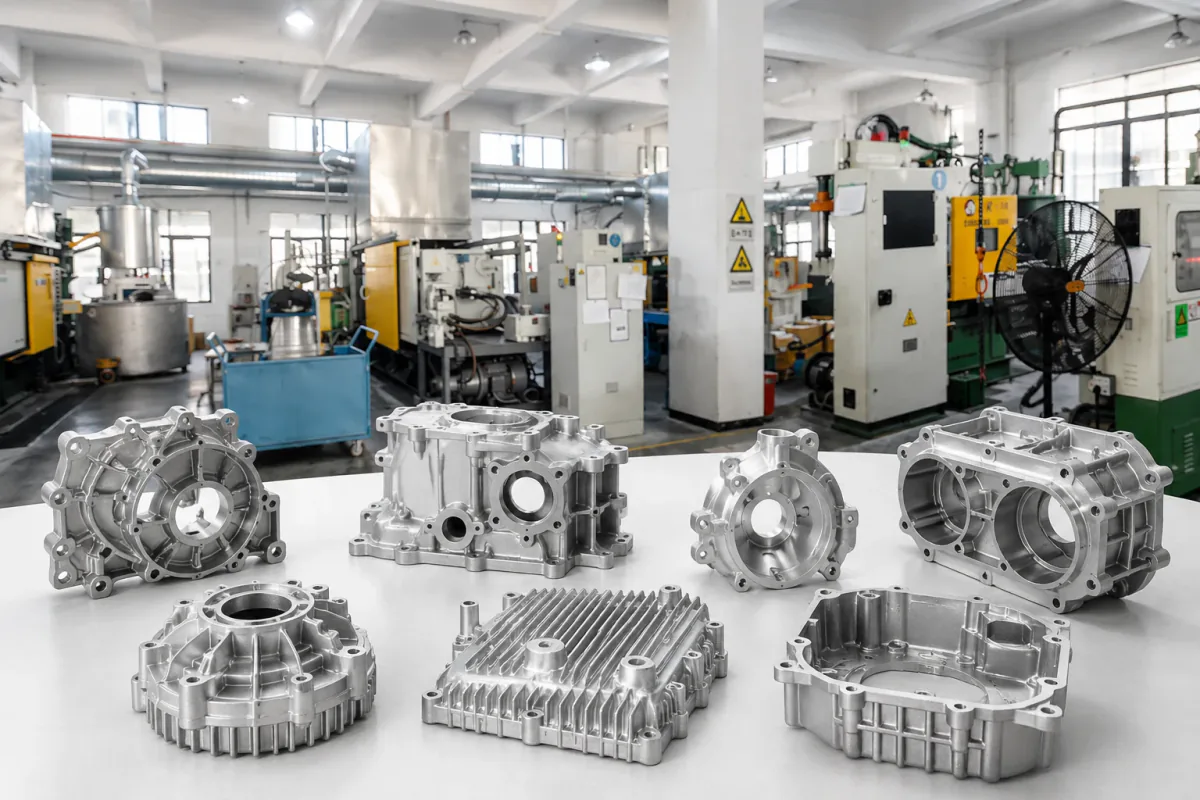
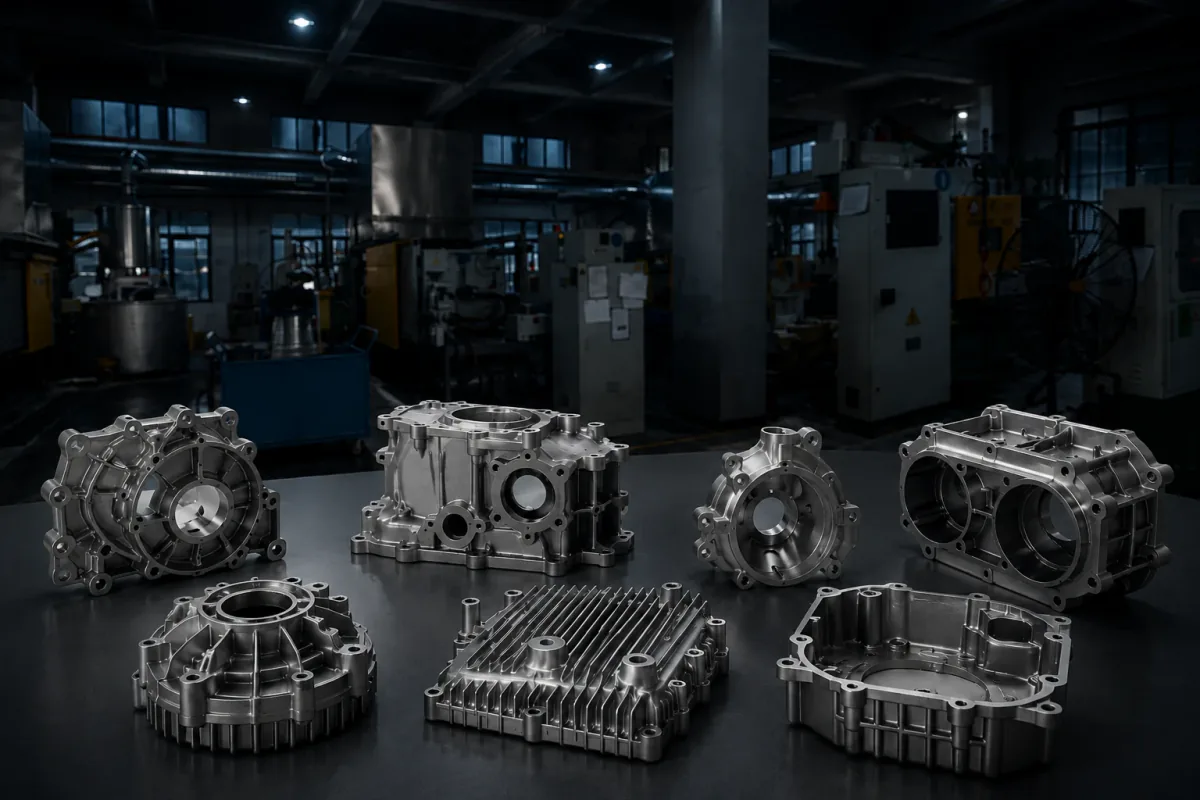
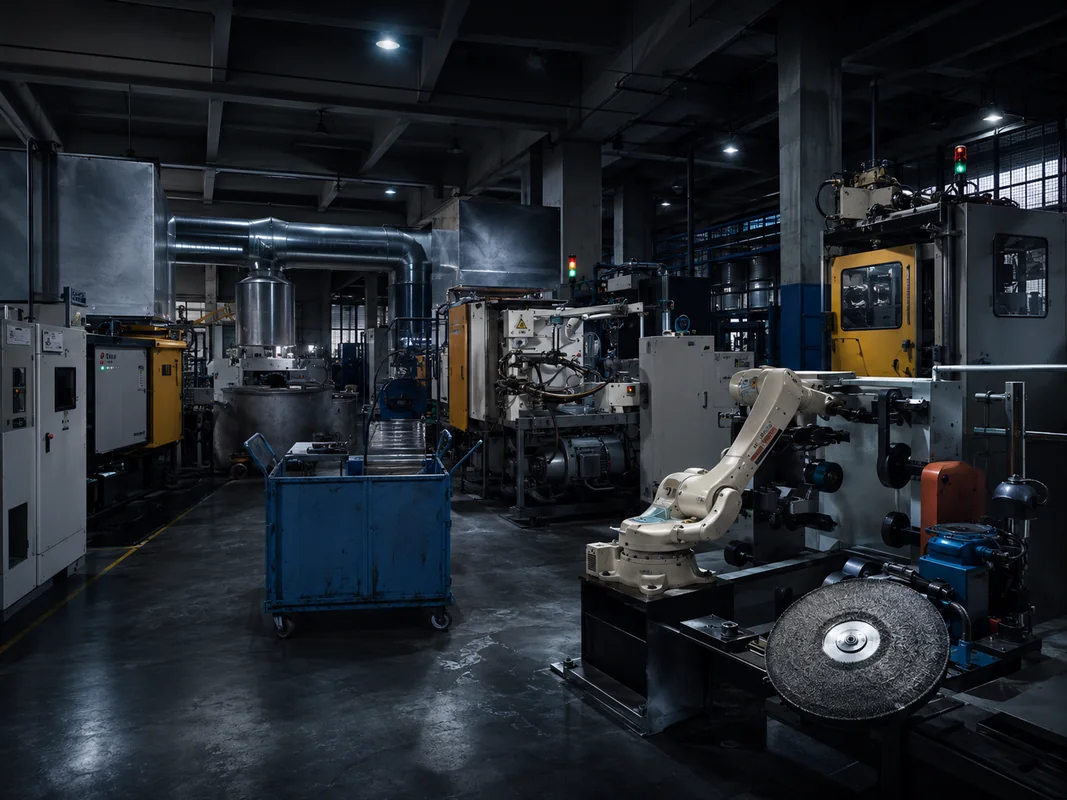
ADC and ZDC die-casting equipment and cast housings at Zhongde Precision

ADC / ZDC DIE CASTING

ADC / ZDC Die Casting

Aluminum and zinc die casting with integrated support from mold trials through CNC machining, polishing and surface treatment.

3
Aluminum die-casting machines
160–280T
Machine range
2
Zinc die-casting machines
1
Kawasaki polishing robot

Production area: 608 m²

Engineering Focus

  • Gates and runners
  • Vents and overflows
  • Air entrainment and porosity
  • Misruns and cold shuts
  • Shrinkage and hot spots
  • Secondary-machining allowance
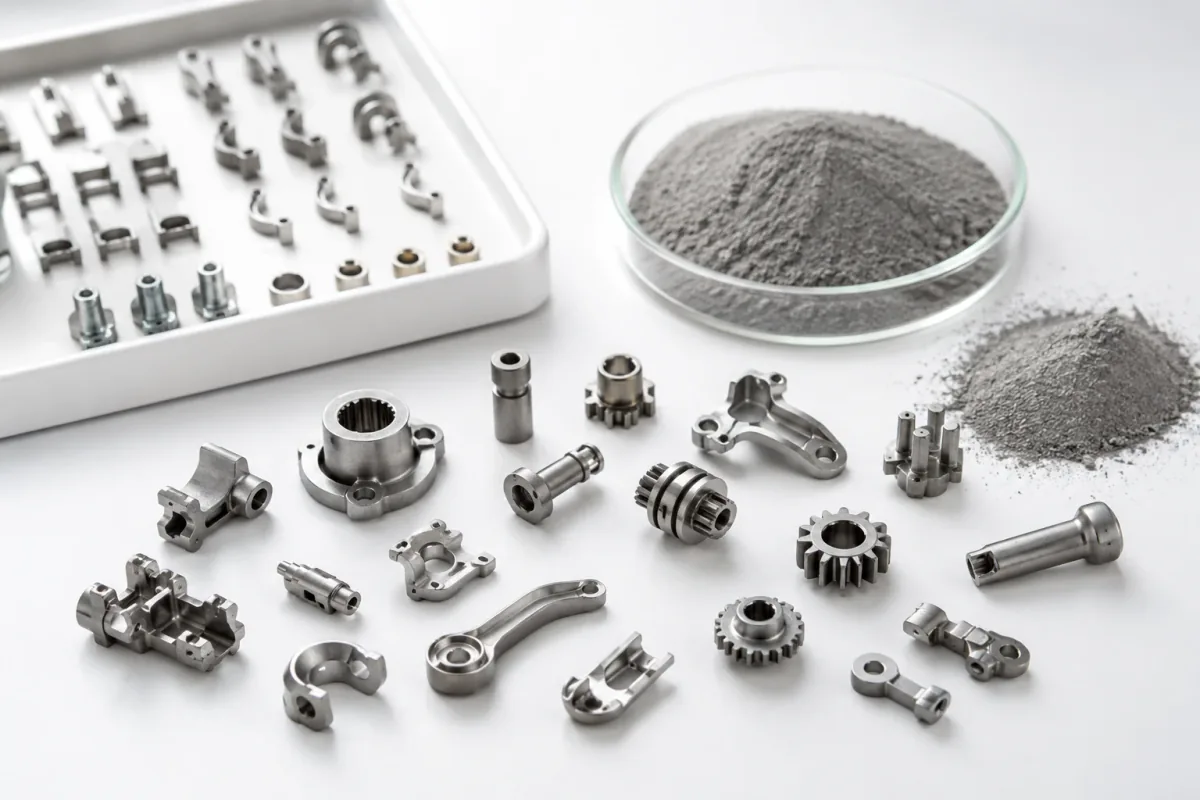
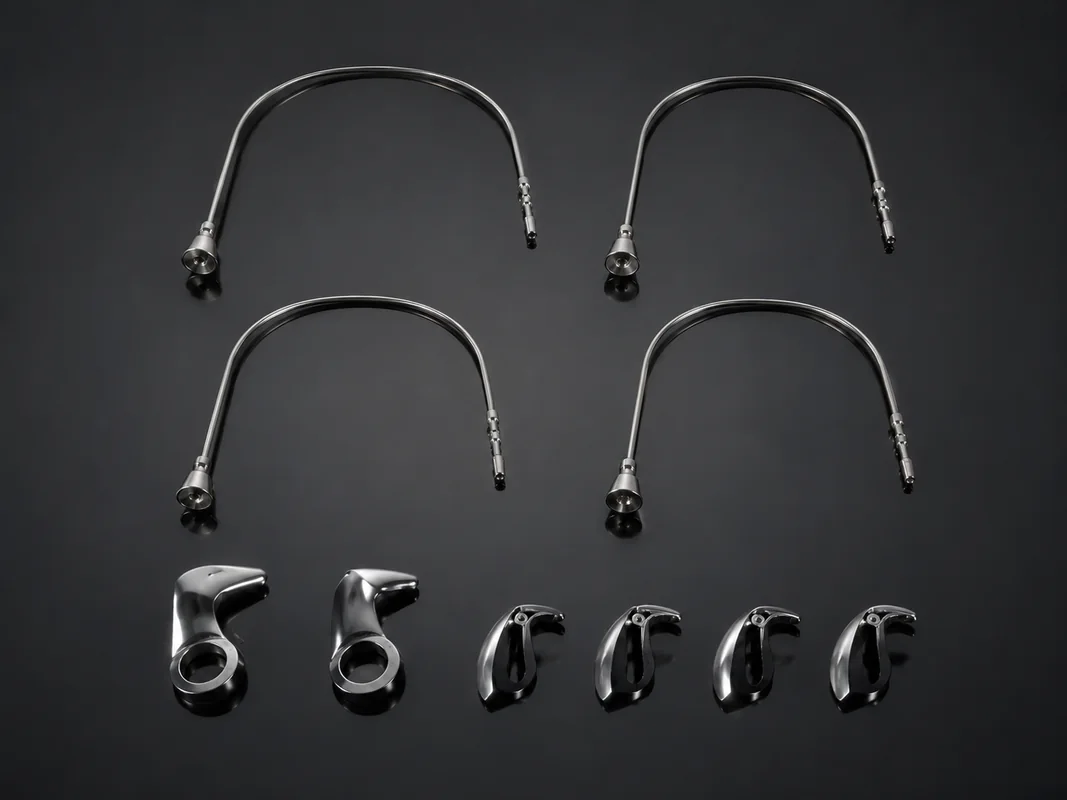
Metal powder and precision MIM and PM formed components

MIM / PM FORMING

MIM / PM Forming

Manufacturing routes for small and complex metal parts where conventional machining is inefficient, integrating forming, debinding, sintering, dimensional compensation and secondary machining.

2024
MIM production launch
MIM
Metal injection molding
PM
Powder pressing review
Machining
Dimensional correction

MIM component volume production started in 2024

Engineering Focus

  • Sintering shrinkage compensation
  • Density consistency
  • Debinding and sintering deformation
  • Multi-cavity consistency
  • Complex thin-wall geometry
  • Secondary-machining datums

FROM REVIEW TO STABLE PRODUCTION

From Engineering Review to Stable Production

The forming route is selected according to product geometry, material, appearance, strength and annual demand. Mold trials, sample validation and pilot production then move the process from basic formability to stable volume production.

  1. Drawing and Requirement Review

    Confirm 2D and 3D drawings, material grade, annual volume, appearance criteria, critical dimensions and testing requirements.

    Output: requirement confirmation and risk list

  2. Process and Mold Planning

    Evaluate injection molding, ADC/ZDC die casting or MIM/PM routes and define mold and secondary-machining requirements.

    Output: forming route and mold plan

  3. Initial Trial and Process Settings

    Conduct the initial forming trial and record temperature, pressure, speed, time and other critical process parameters.

    Output: trial samples and initial parameter sheet

  4. Sample Inspection and Correction

    Inspect appearance, critical dimensions and forming defects, then correct the mold, venting, settings and fitting conditions.

    Output: inspection and correction records

  5. Pilot Production and Confirmation

    Verify continuous production, lot consistency, cycle time and variation of critical dimensions.

    Output: process window and pilot-run record

  6. Stable Production and Lot Control

    Standardize production parameters, inspection frequency, lot traceability and abnormal-condition handling.

    Output: production, inspection and traceability records

PRODUCTION WORKSHOP & PROCESS INTEGRATION

Production Workshops and Process Integration

Actual workshops demonstrate how forming equipment operates in production and how injection molding, die casting and MIM processes connect with automation, polishing, precision machining and surface treatment.

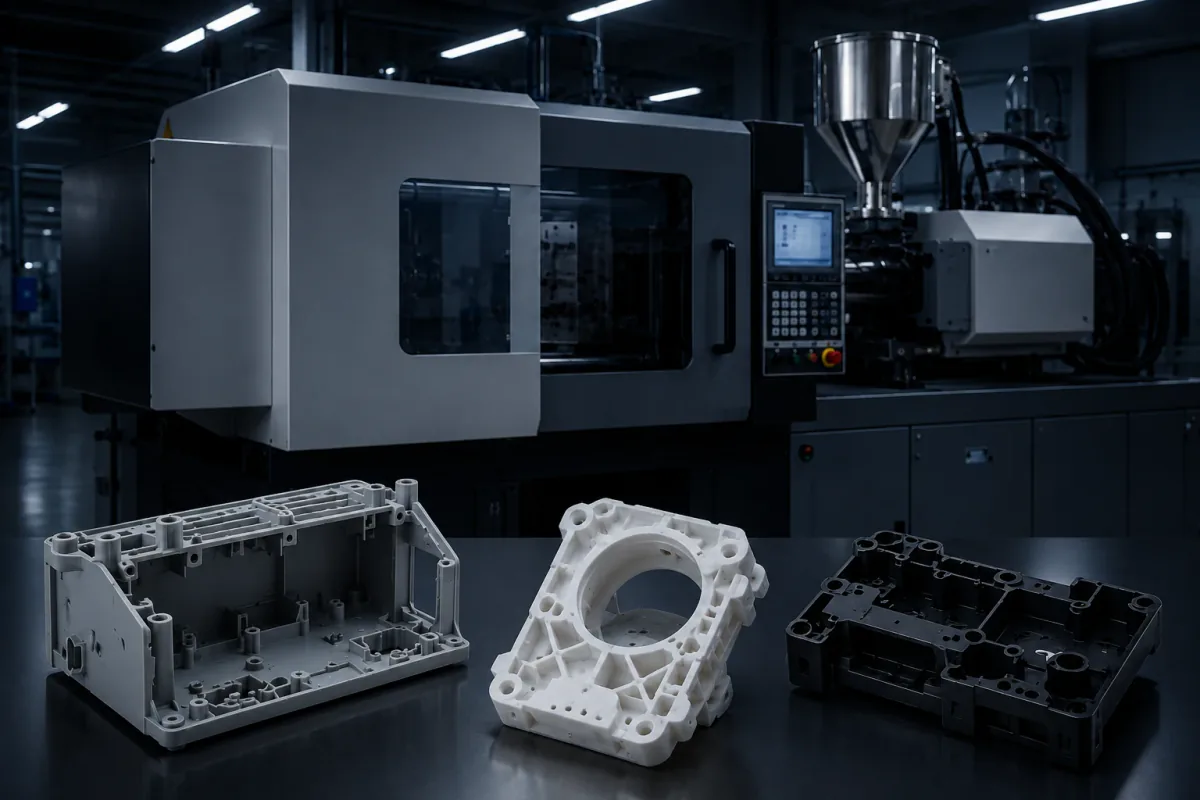
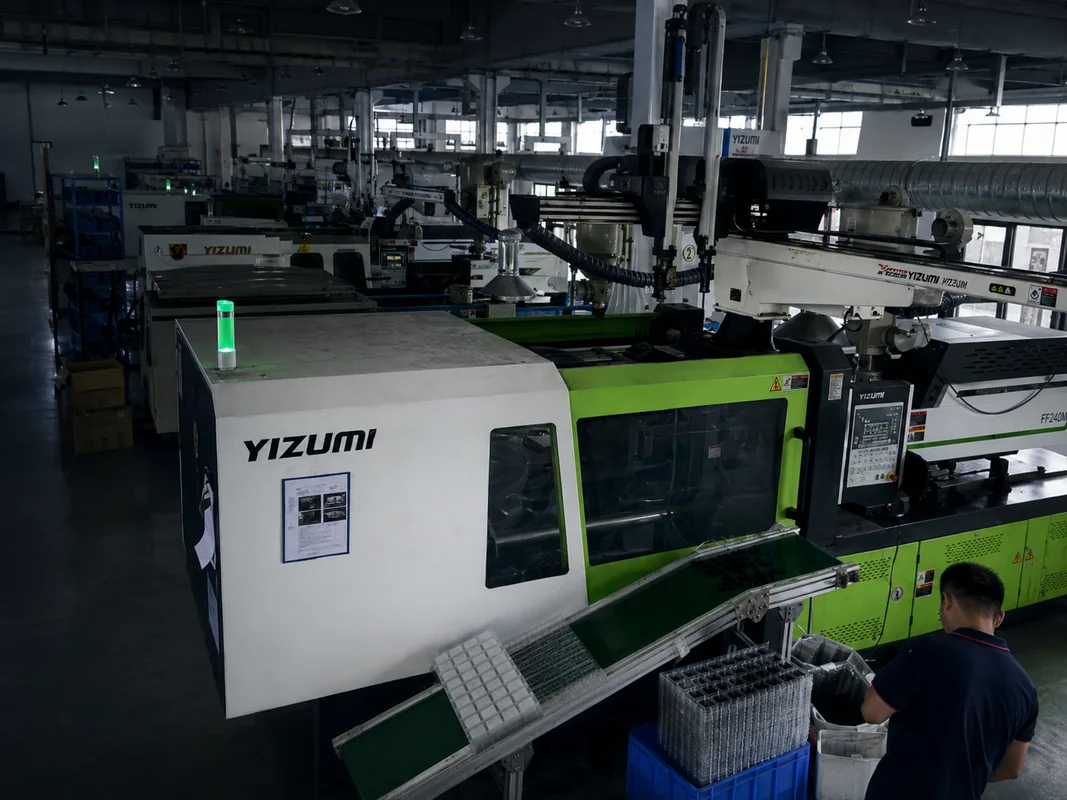
Injection molding workshop and automated part-removal equipment at Zhongde Precision

INJECTION MOLDING WORKSHOP

Injection Molding Workshop

Molding machines, robots and conveying systems work together for automatic part removal, process transfer and continuous production, followed by blasting, grinding and appearance finishing.

  • Automatic removal
  • Continuous molding
  • Process transfer
  • Finishing integration

Injection molding → Automatic removal → Transfer → Finishing

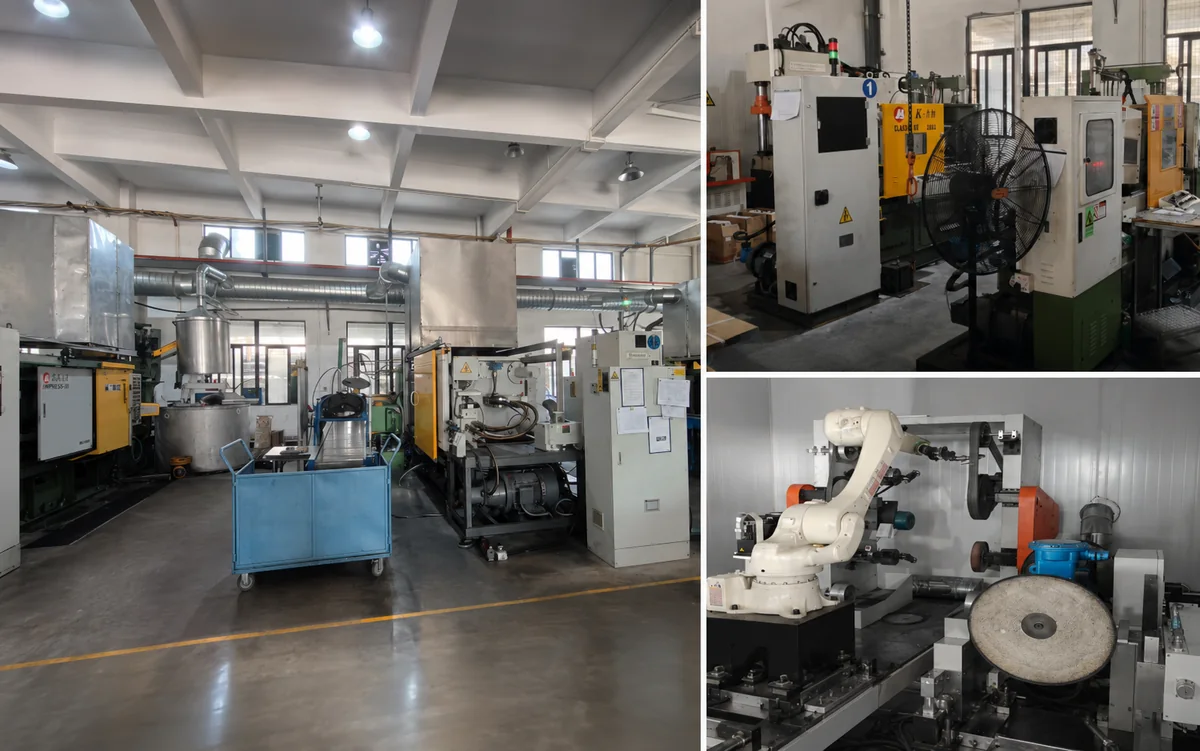
Die-casting workshop and Kawasaki robotic polishing equipment at Zhongde Precision

DIE CASTING & ROBOTIC POLISHING

ADC / ZDC Die Casting and Robotic Polishing

After aluminum or zinc die casting, parts can proceed through trimming, robotic polishing, CNC precision machining and surface treatment without unnecessary supplier transfers.

  • ADC / ZDC casting
  • Automatic trimming
  • Robotic polishing
  • CNC machining

Die casting → Trimming → Robotic polishing → CNC → Surface treatment

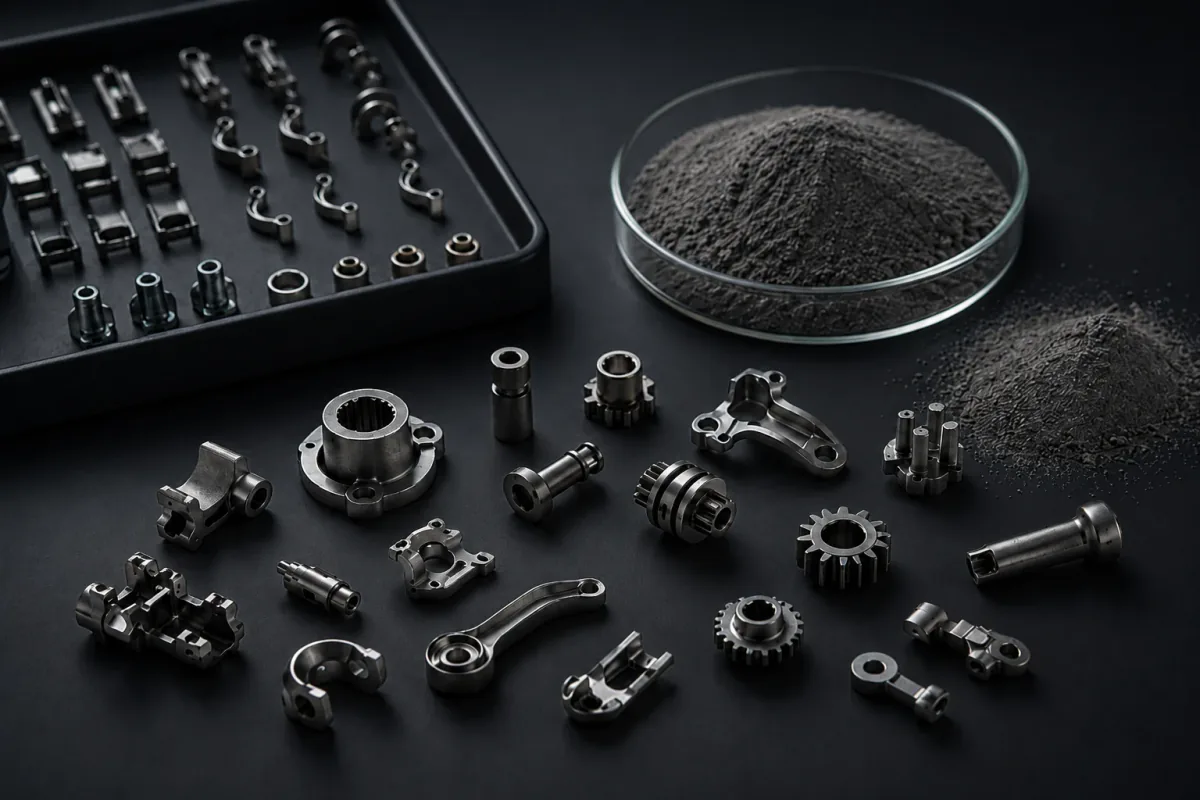
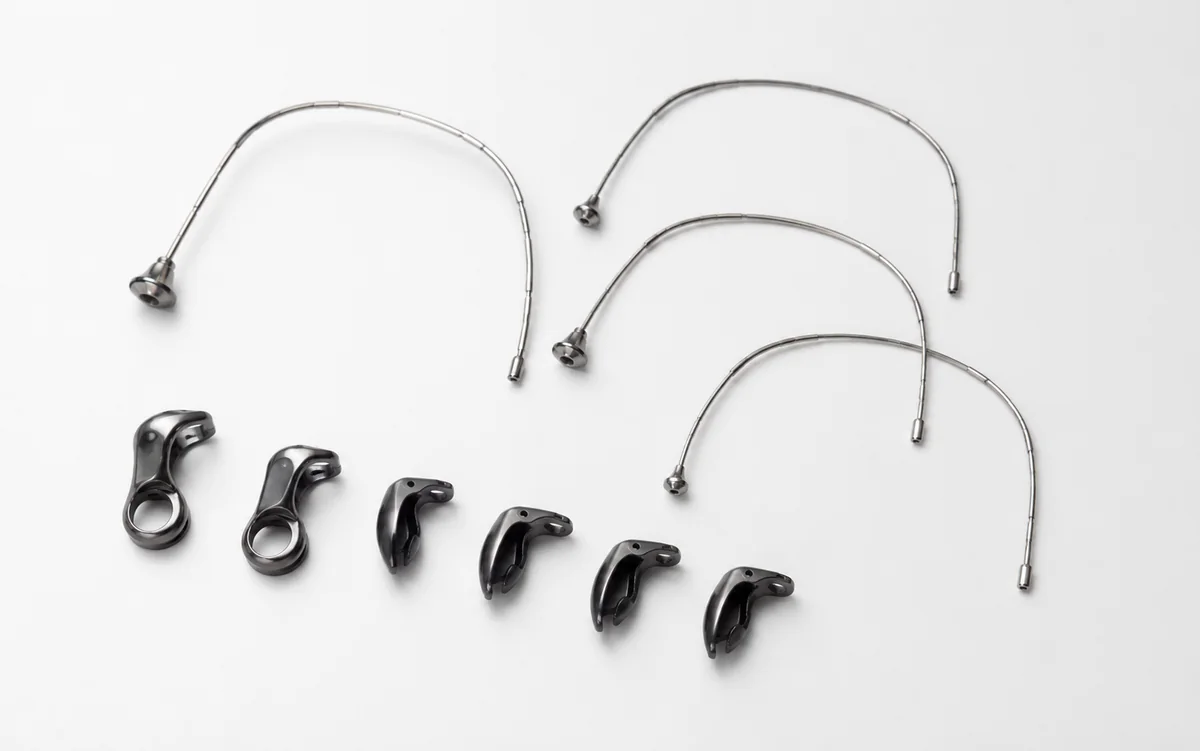
MIM production components and precision metal parts at Zhongde Precision

MIM PRODUCTION PROCESS

MIM Components and Process Integration

For small and complex metal components, engineering reviews consider debinding, sintering shrinkage, deformation control and machining datums, with dimensional compensation used to improve production consistency.

  1. Forming
  2. Debinding
  3. Sintering
  4. Compensation
  5. Machining
  • Shrinkage control
  • Deformation control
  • Lot consistency
  • Machining datums

QUALITY CONTROL & INTEGRATED DELIVERY

Quality Control and Integrated Delivery

Material verification, first-piece approval, in-process inspection, lot traceability and final inspection are planned around the risks of each forming process. Molded parts can then proceed through precision machining, finishing, surface treatment and assembly.

INJECTION MOLDING QUALITY

Injection Molding Quality Control

Appearance, dimensions and process stability are checked through first-piece approval, parameter-window control and production monitoring.

Forming Quality Priorities

  • Flash, sink marks, weld lines and burns
  • Air traps, release and surface damage
  • Warpage, critical dimensions and fit
  • Process parameters, cycle and lot stability

DIE CASTING QUALITY

ADC / ZDC Die-Casting Quality

Casting condition and secondary-machining requirements are jointly controlled for internal defects, appearance, deformation and machining allowance.

Forming Quality Priorities

  • Air entrainment, porosity and shrinkage
  • Misruns, flash and local sticking
  • Deformation, allowance and machining datums
  • Appearance and dimensions after finishing

MIM / PM QUALITY

MIM / PM Forming Quality

Density, shrinkage, deformation and lot consistency are checked through debinding, sintering and dimensional-compensation stages.

Forming Quality Priorities

  • Density and material-lot consistency
  • Debinding, sintering and surface defects
  • Sintering shrinkage and compensation
  • Deformation and machining datums

Integrated In-House Processes After Forming

Critical dimensions, appearance and assembly requirements can continue through in-house processes under common drawings, CTQs and abnormal-condition controls, reducing transport and repeated setups.

  1. Forming Molding, casting or MIM / PM
  2. Machining CNC turning and machining centers
  3. Finishing Trimming, grinding and polishing
  4. Surface Treatment Anodizing, coating and printing
  5. Inspection Dimensions, appearance and function
  6. Assembly Subassembly and final assembly
  • Reduced transport and repeated setups
  • Unified CTQs and issue closure
  • Shorter lead time and clear responsibility

Inspection items, sampling frequency and delivery records are defined according to drawings, CTQs and production conditions.

Have Drawings to Review?

Upload your drawings. Our engineering team will provide a manufacturing review and quotation within 24 hours.

Upload Drawings / Get a Quote
Fast Response
Engineering Review
Data Security
Reliable Delivery
Contact Us