PRECISION MACHINING

Precision Machining CNC Turning · Machining Centers · Swiss-Type Machining · Gear Machining

We provide integrated manufacturing support from drawing and CTQ review and process planning, through CNC turning, machining-center operations, Swiss-type machining and gear machining, to inspection, surface treatment and assembly delivery.

  • Coordinated turning, MC and gear processes
  • Critical dimensions, datums and CTQ control
  • Machining through finishing and assembly
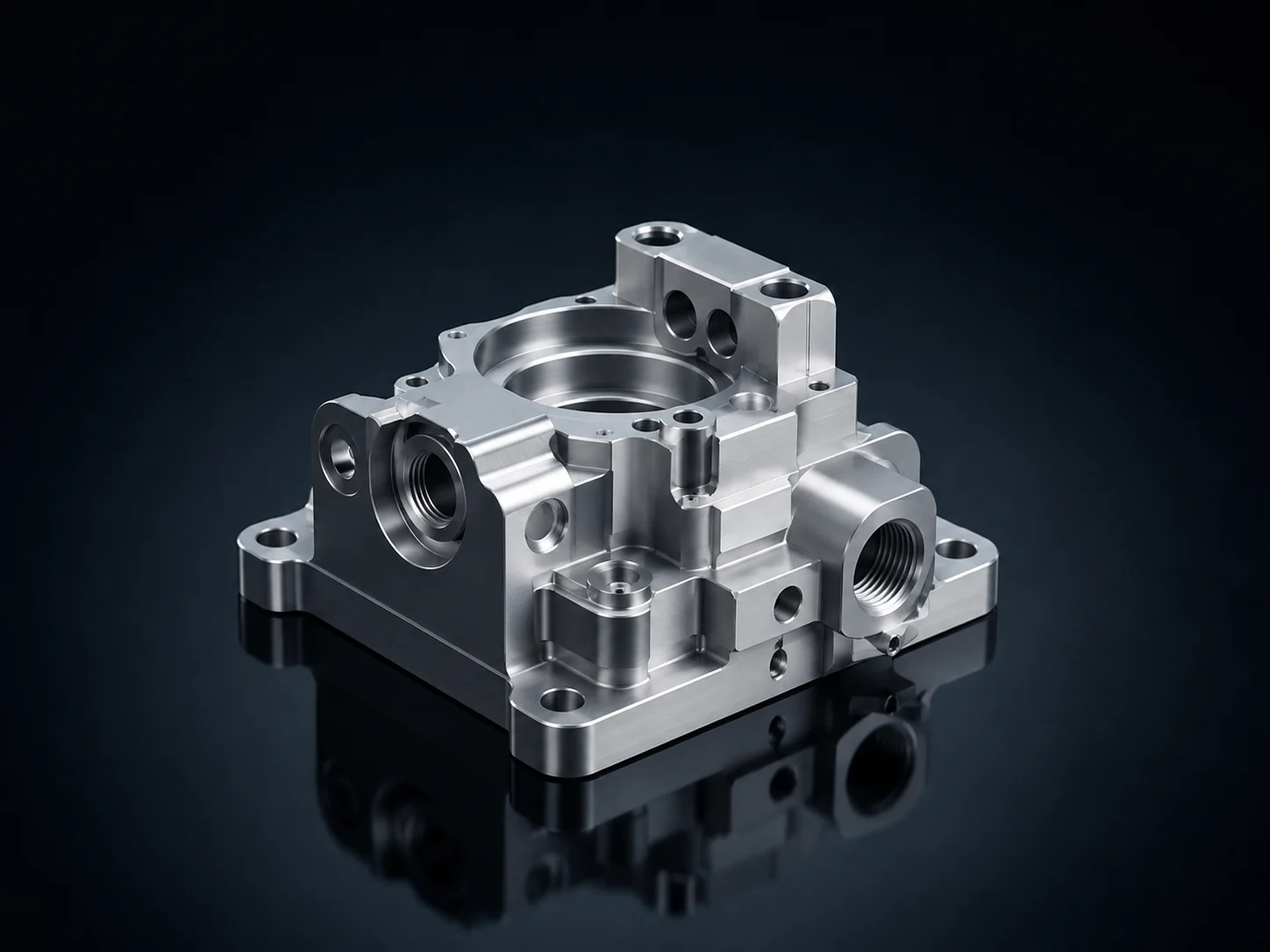
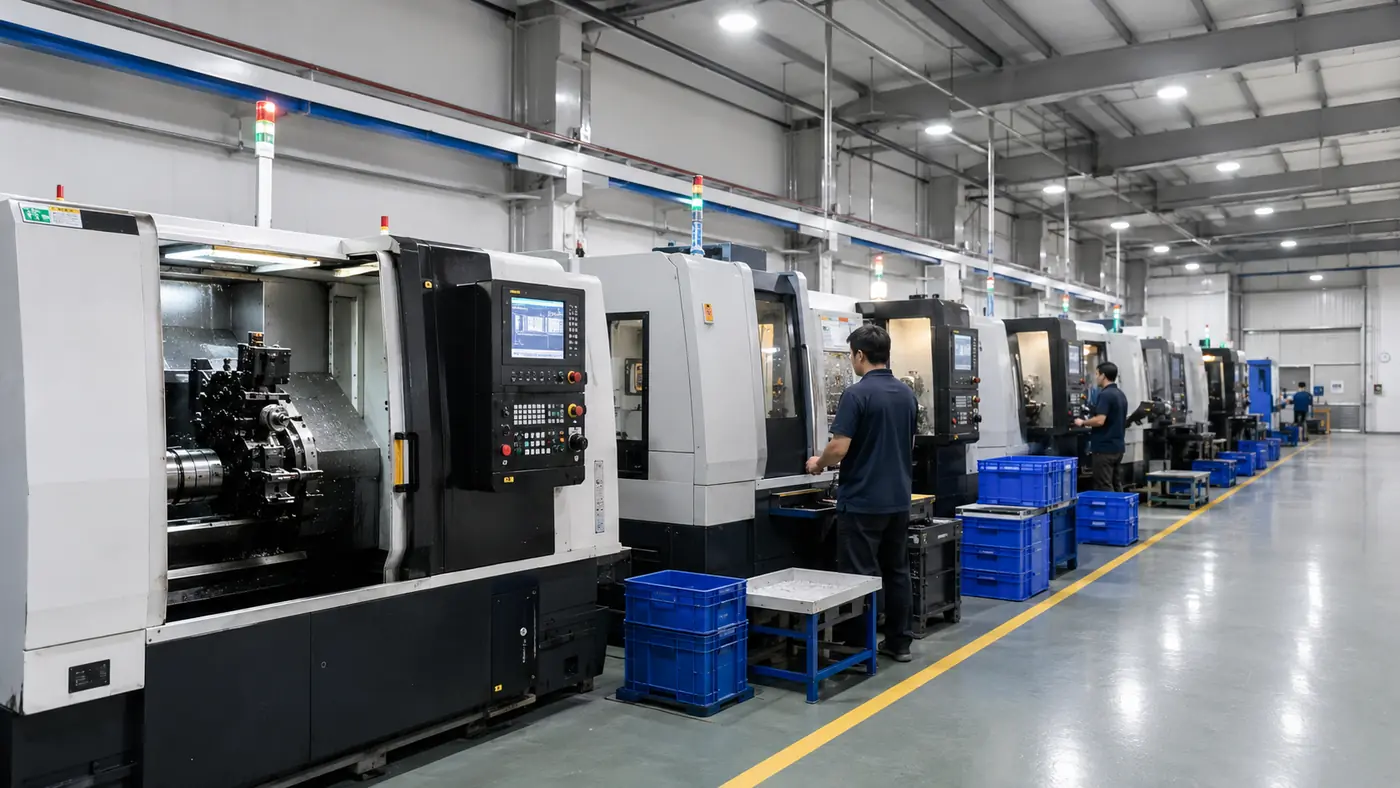
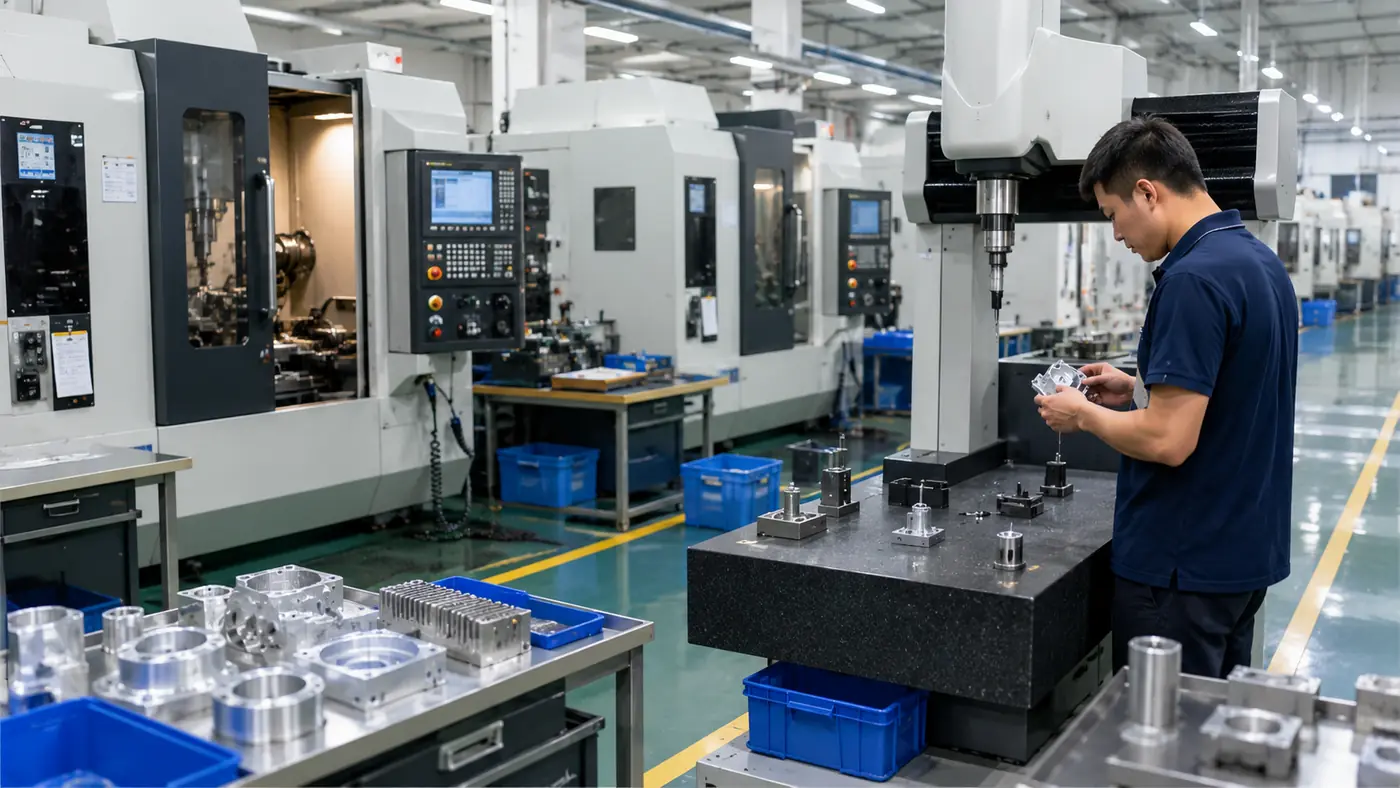
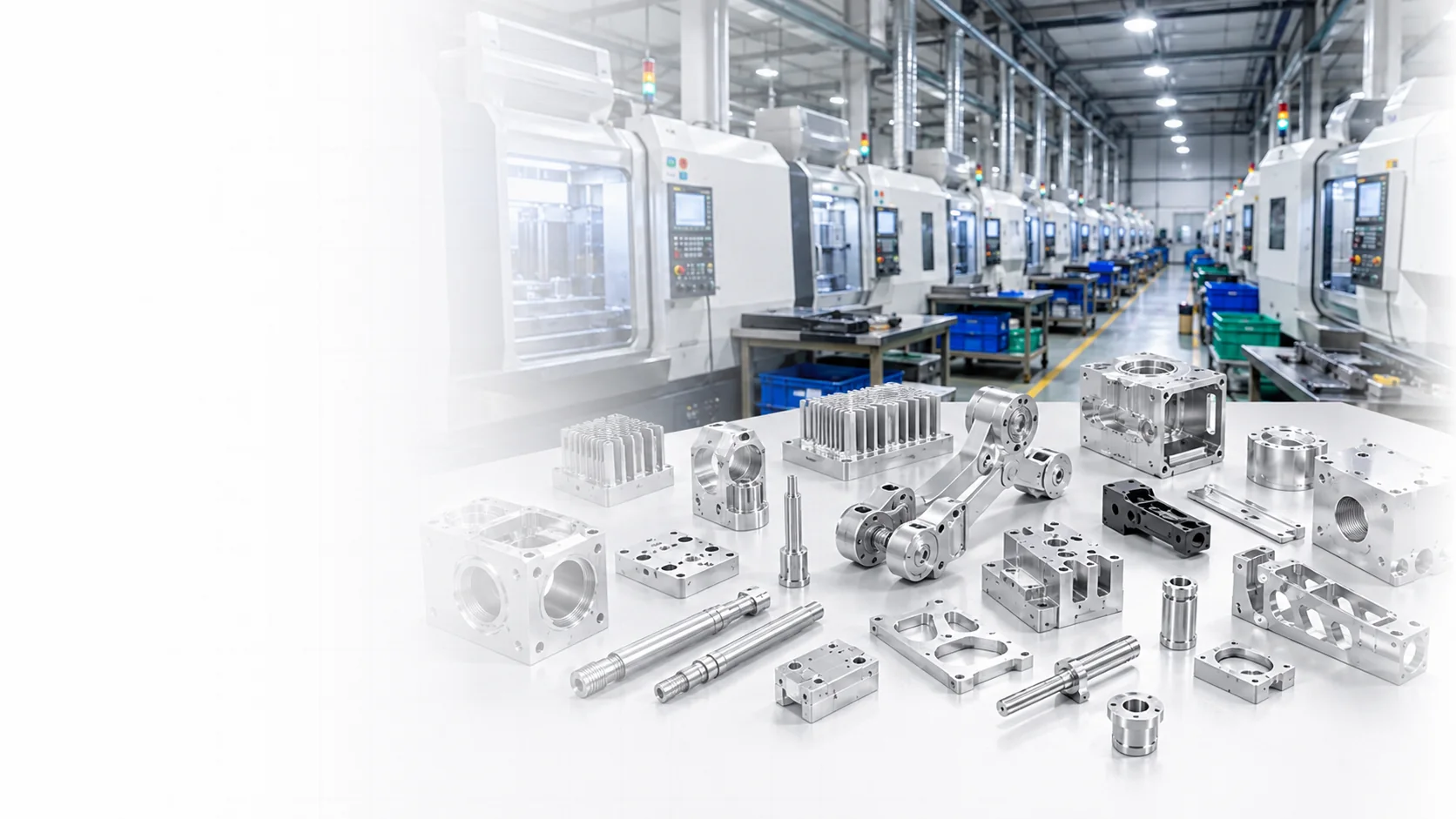
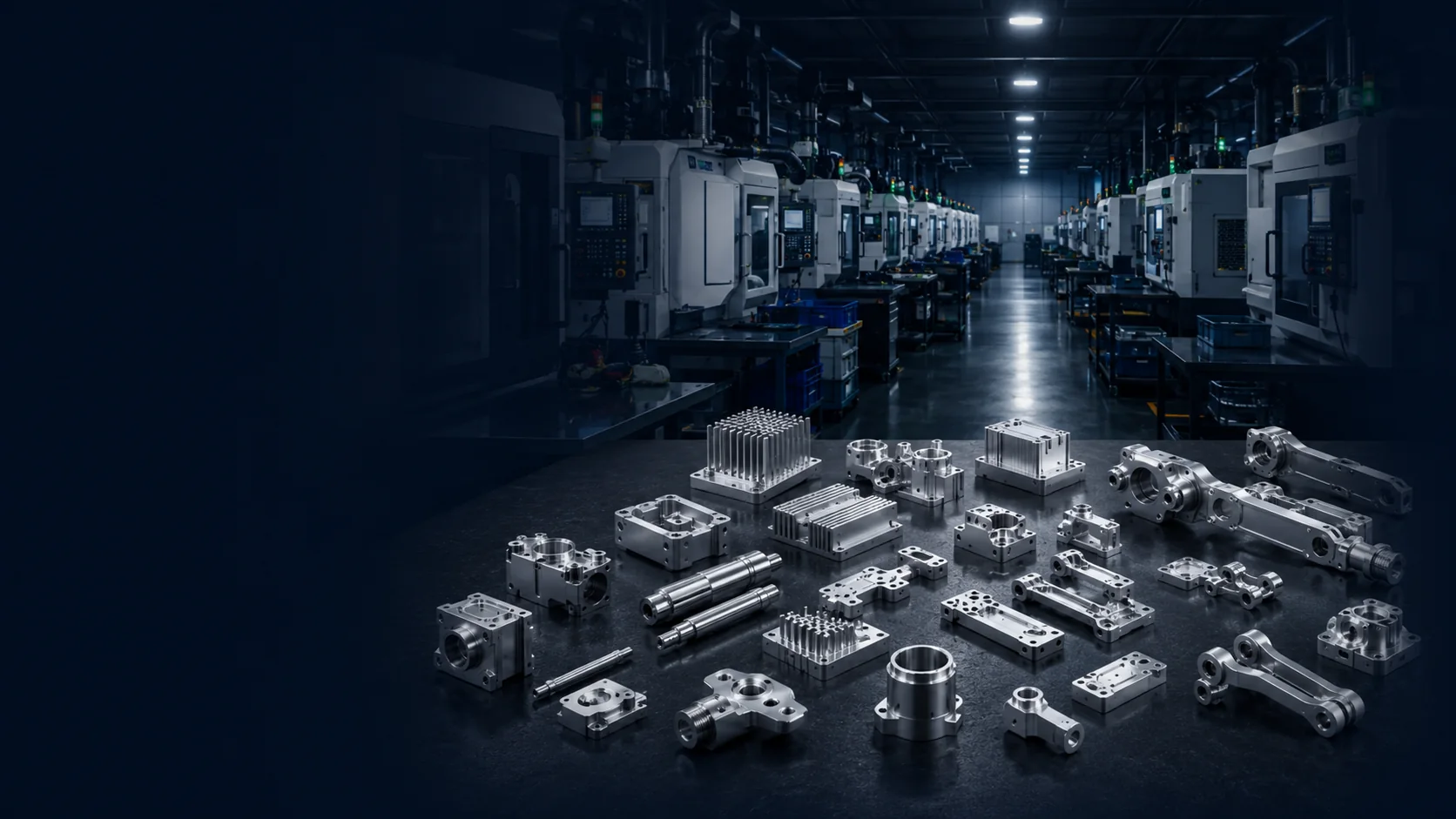
Precision machining workshop and precision structural components at Zhongde Precision
73
Machining machines
1,080 m²
Machining workshop
4
Main machining processes
Integrated
Machining through assembly

CORE MACHINING CAPABILITIES

Precision Machining Capabilities

For small and lightweight precision components, we provide CNC turning, machining-center operations, Swiss-type machining, and gear and profile machining—from process planning through stable production.

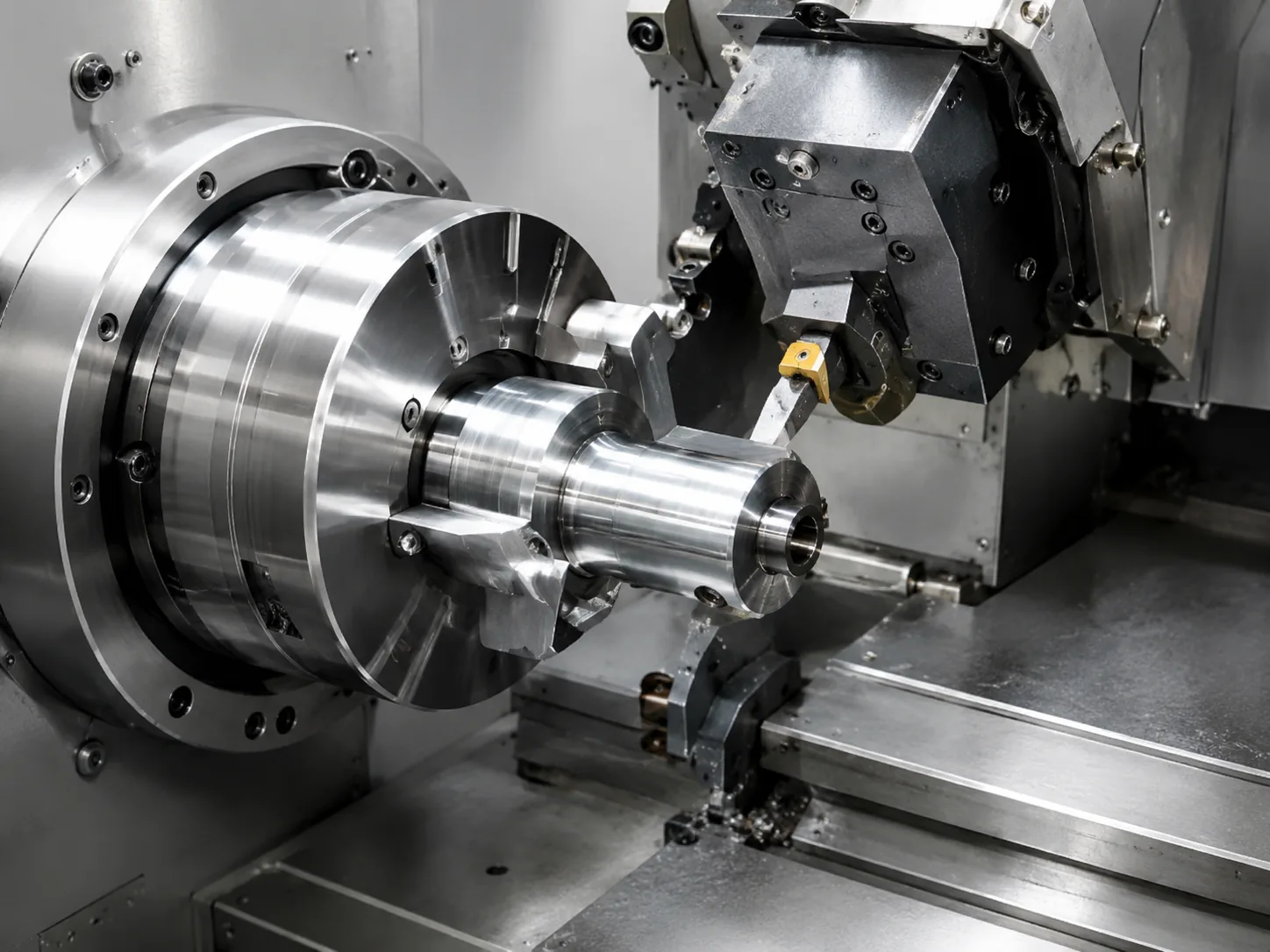
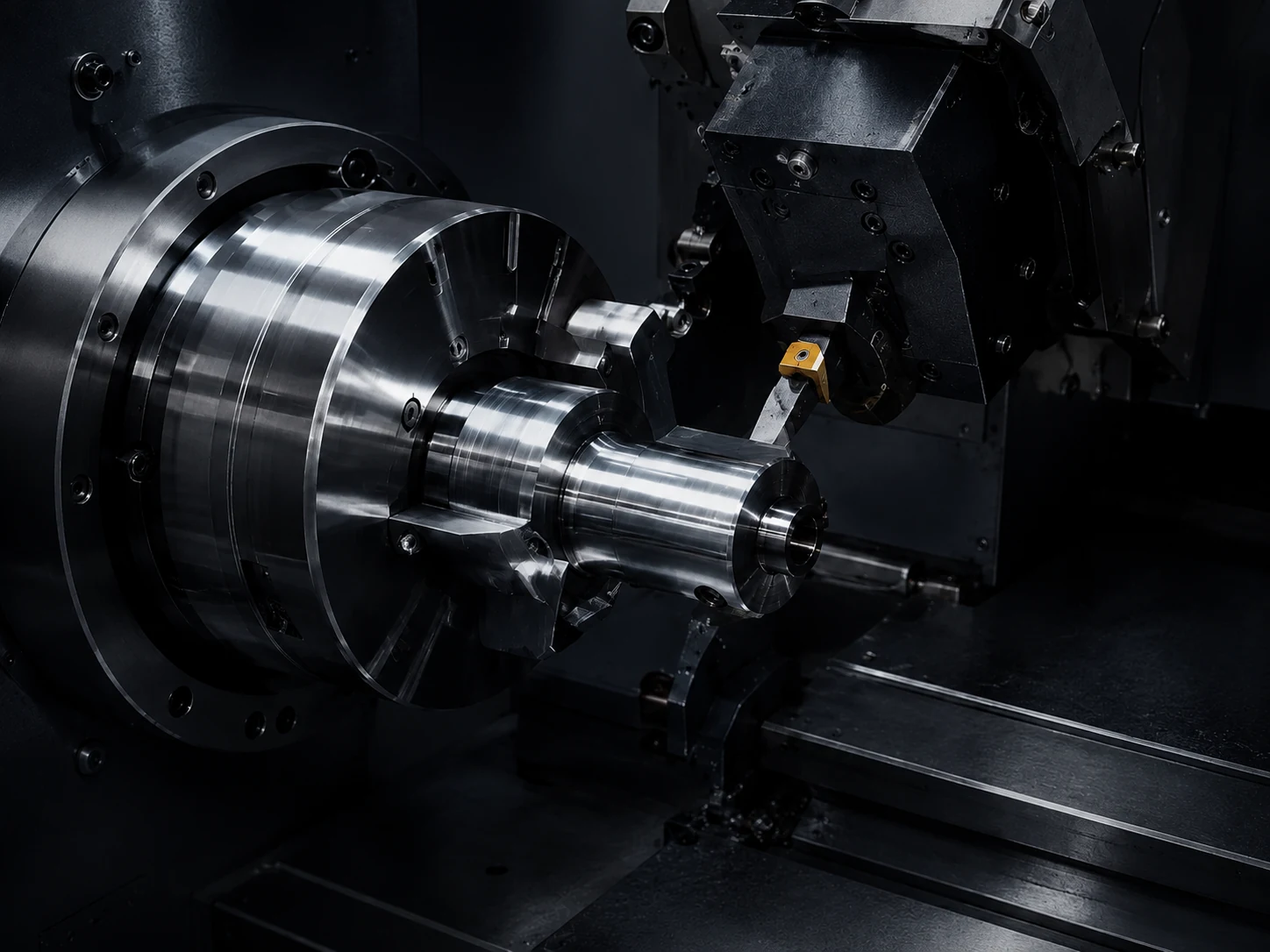
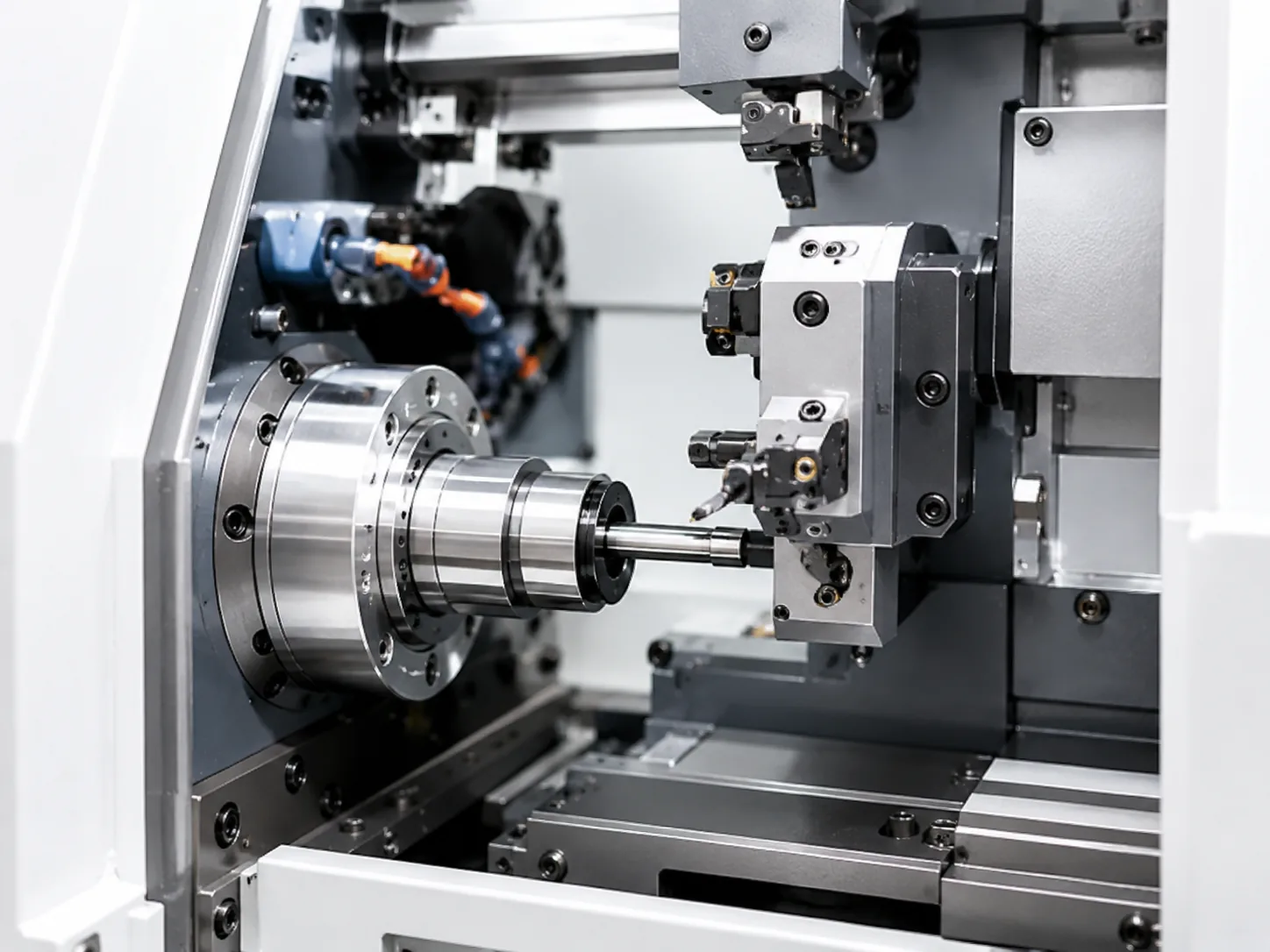
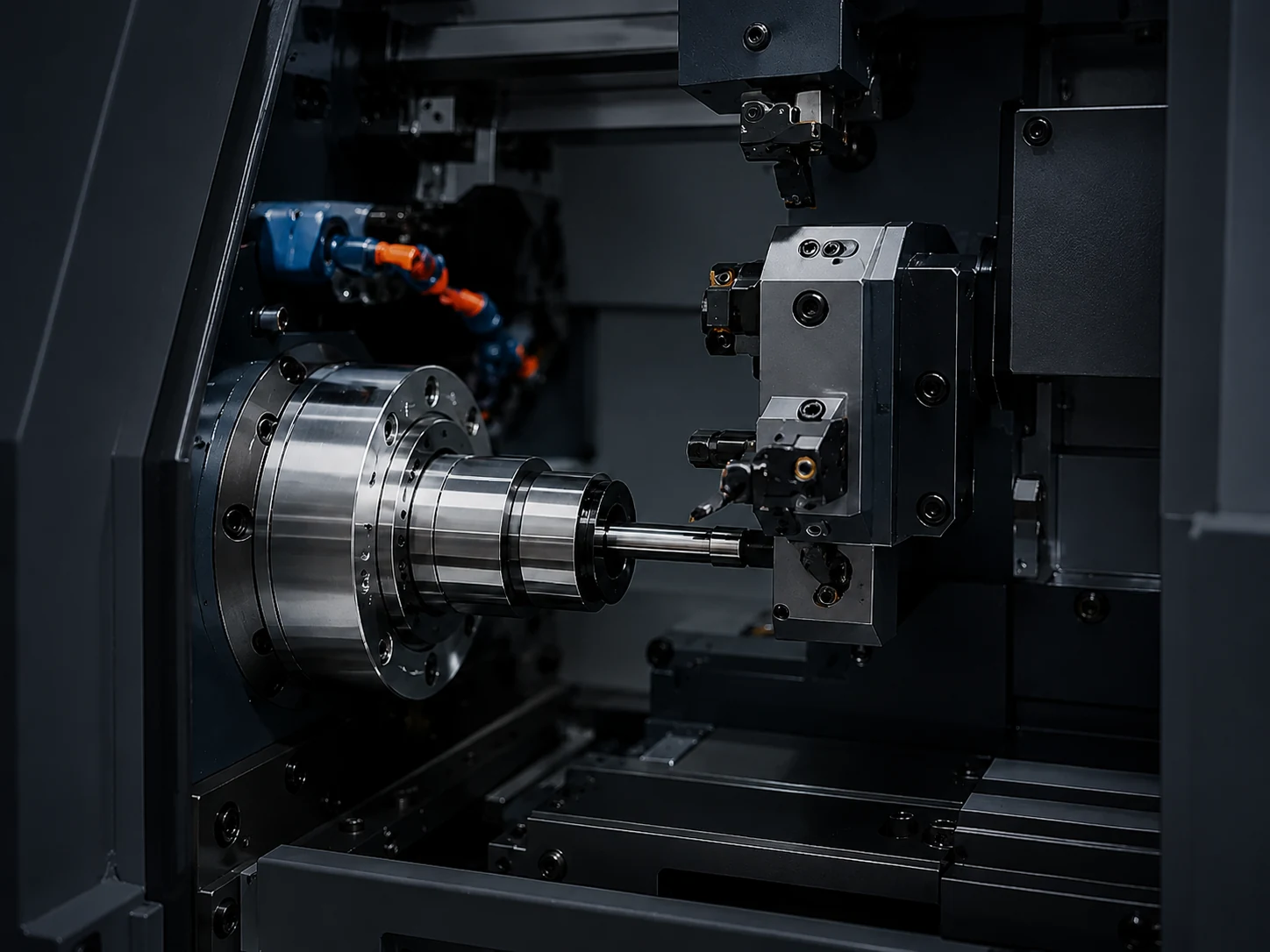
Close-up of CNC turning and compound machining

CNC TURNING & COMPOSITE

CNC Turning & Composite Machining

For shafts, sleeves, connectors, flanges and rotational parts, combining precision turning with drilling, tapping and lateral machining.

  • Precision turning and combined operations
  • Concentrated processes for higher efficiency
  • Roundness, concentricity and runout control
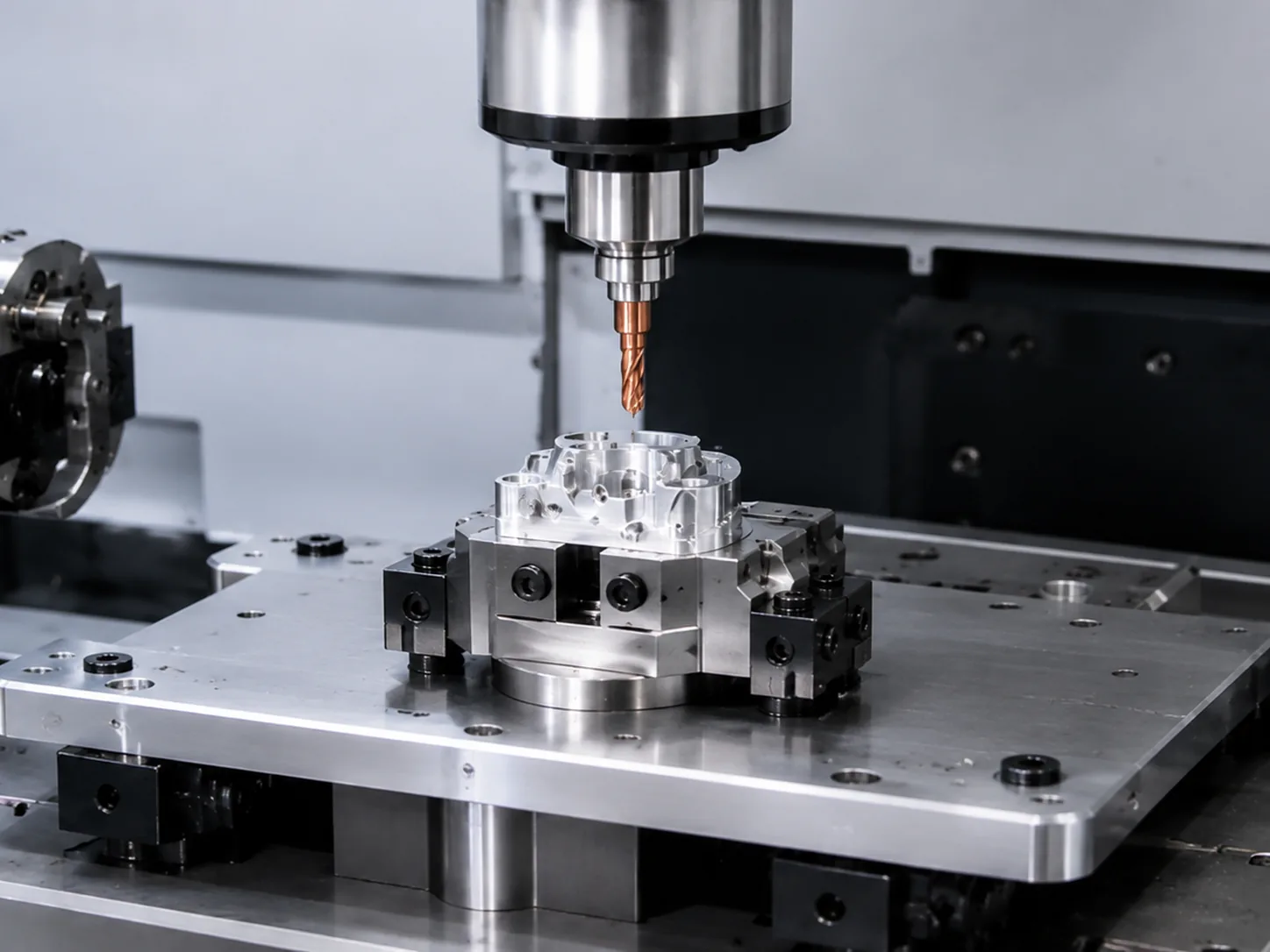
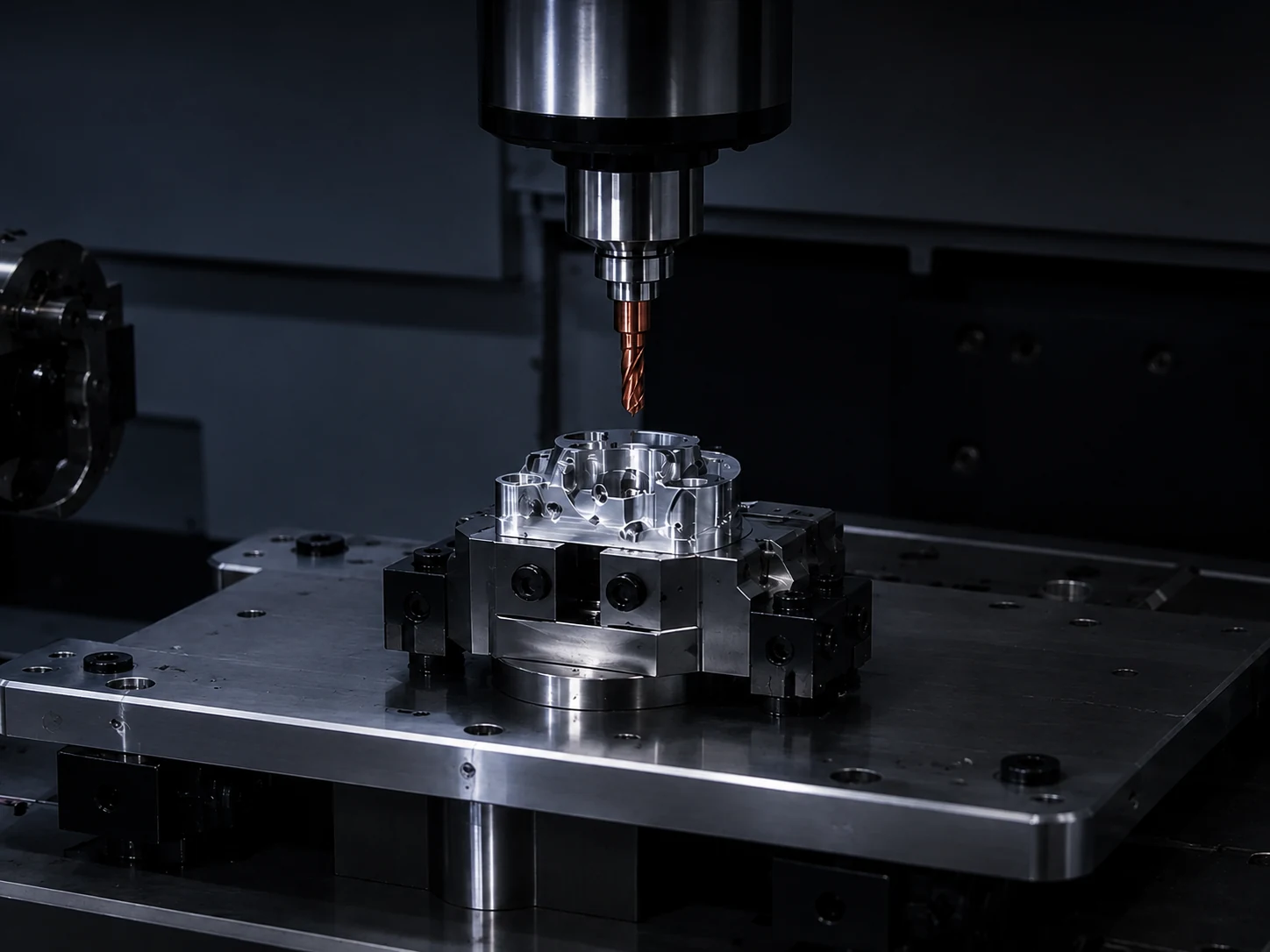
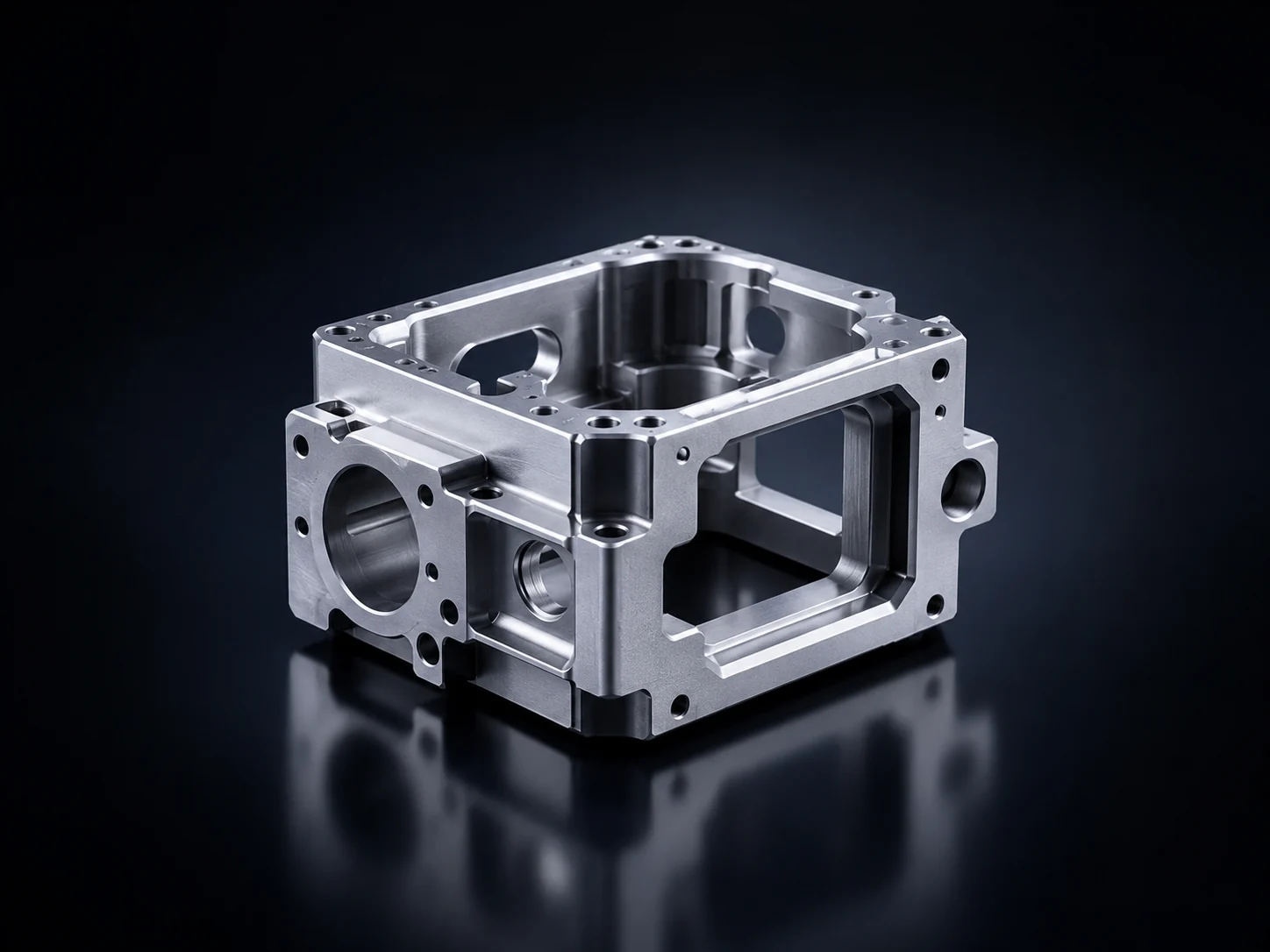
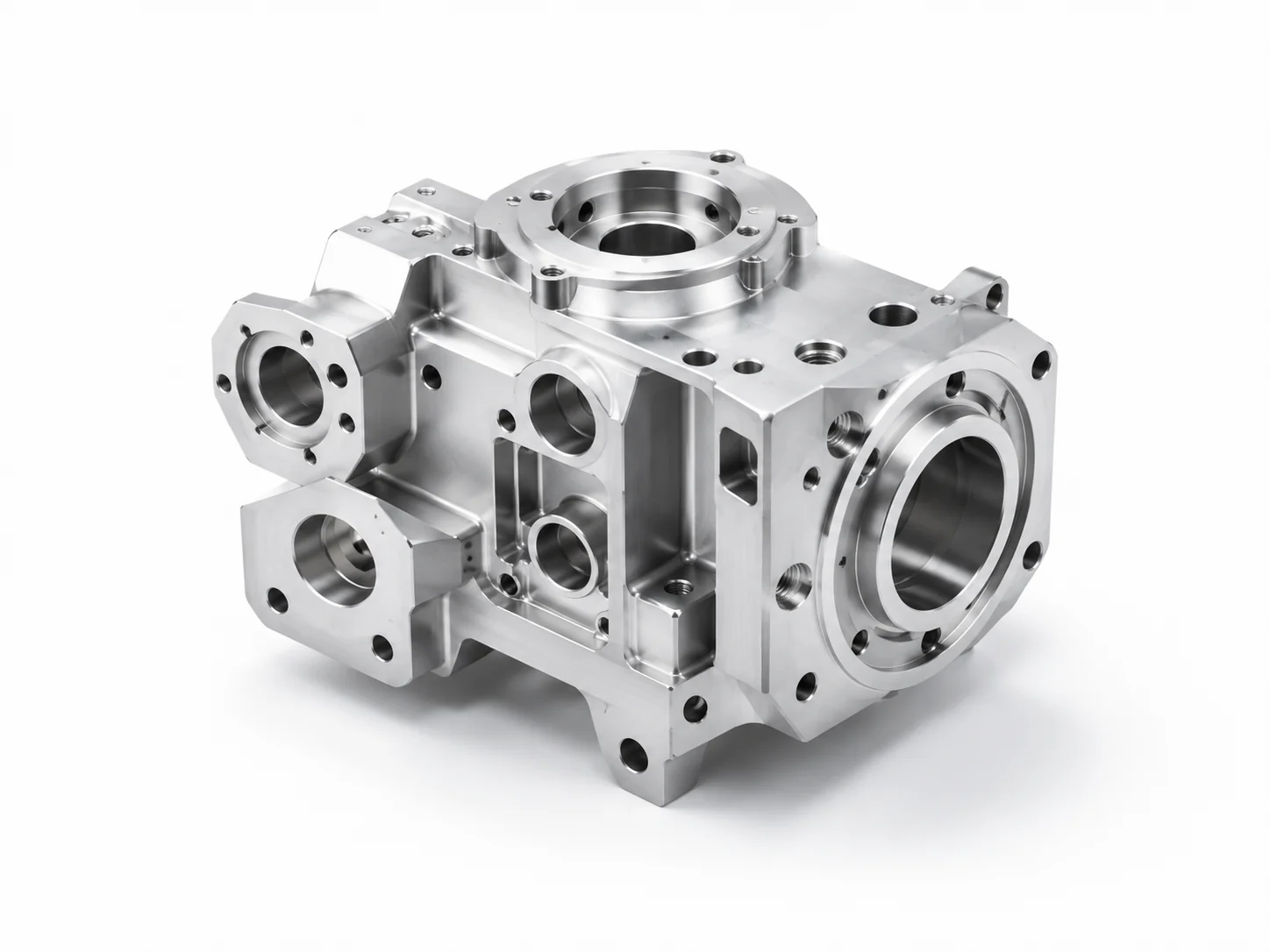
Small precision component machined on a machining center

MC MACHINING CENTER

Machining Center

For multi-face machining of small housings, mounting bases, brackets, valve bodies and precision plate components, with consistent datums and complex contour control.

  • Designed for small precision structures
  • Multi-face datum consistency control
  • Optimized toolpaths and process planning
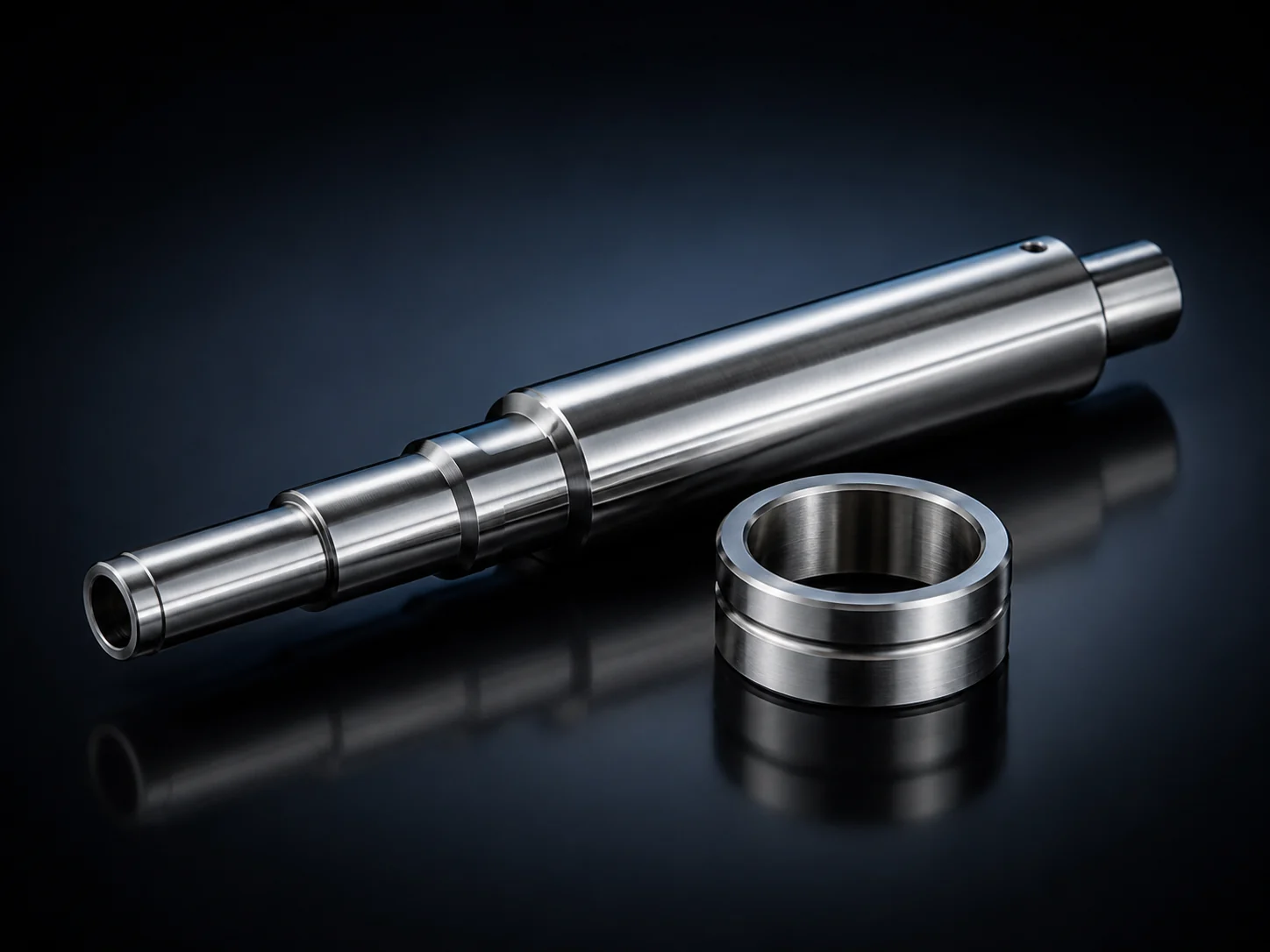
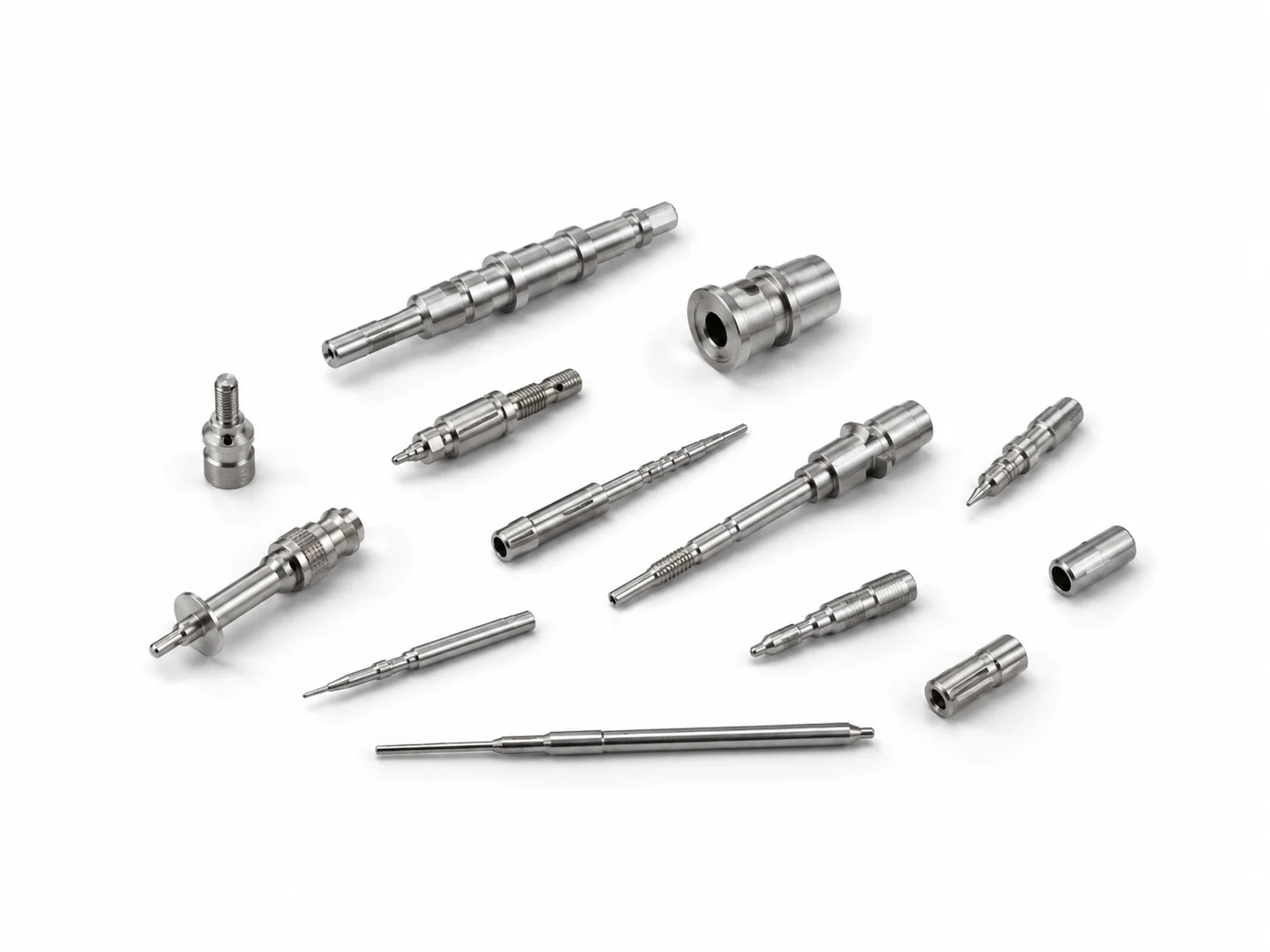
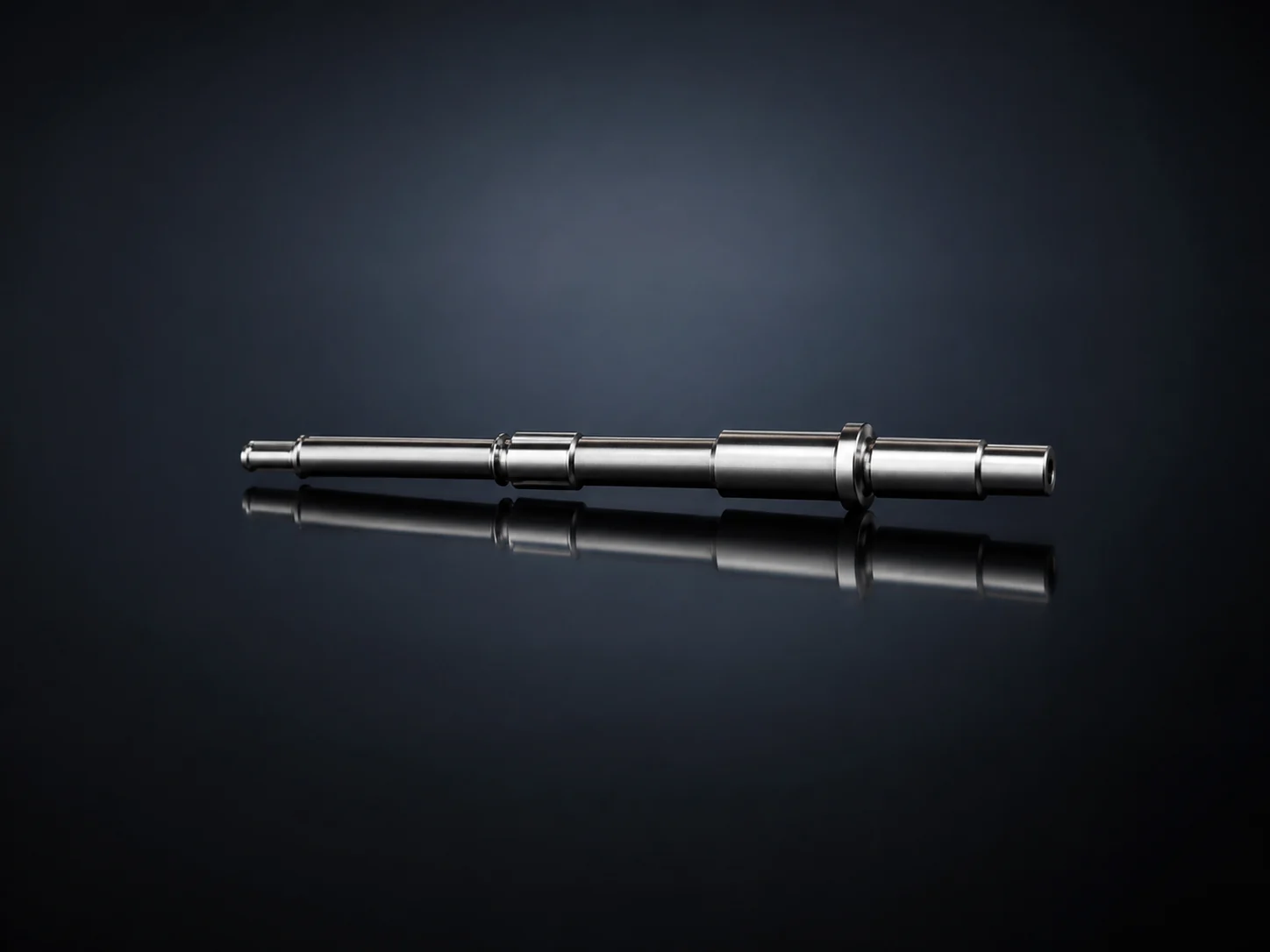
Swiss-type machining of slender shafts and small-diameter parts

SWISS-TYPE MACHINING

Swiss-Type Precision Machining

Efficient continuous production for slender shafts, small-diameter connectors and miniature precision parts with stable dimensions.

  • Stable machining of slender components
  • Efficient production of miniature parts
  • Consistent dimensions and surface quality
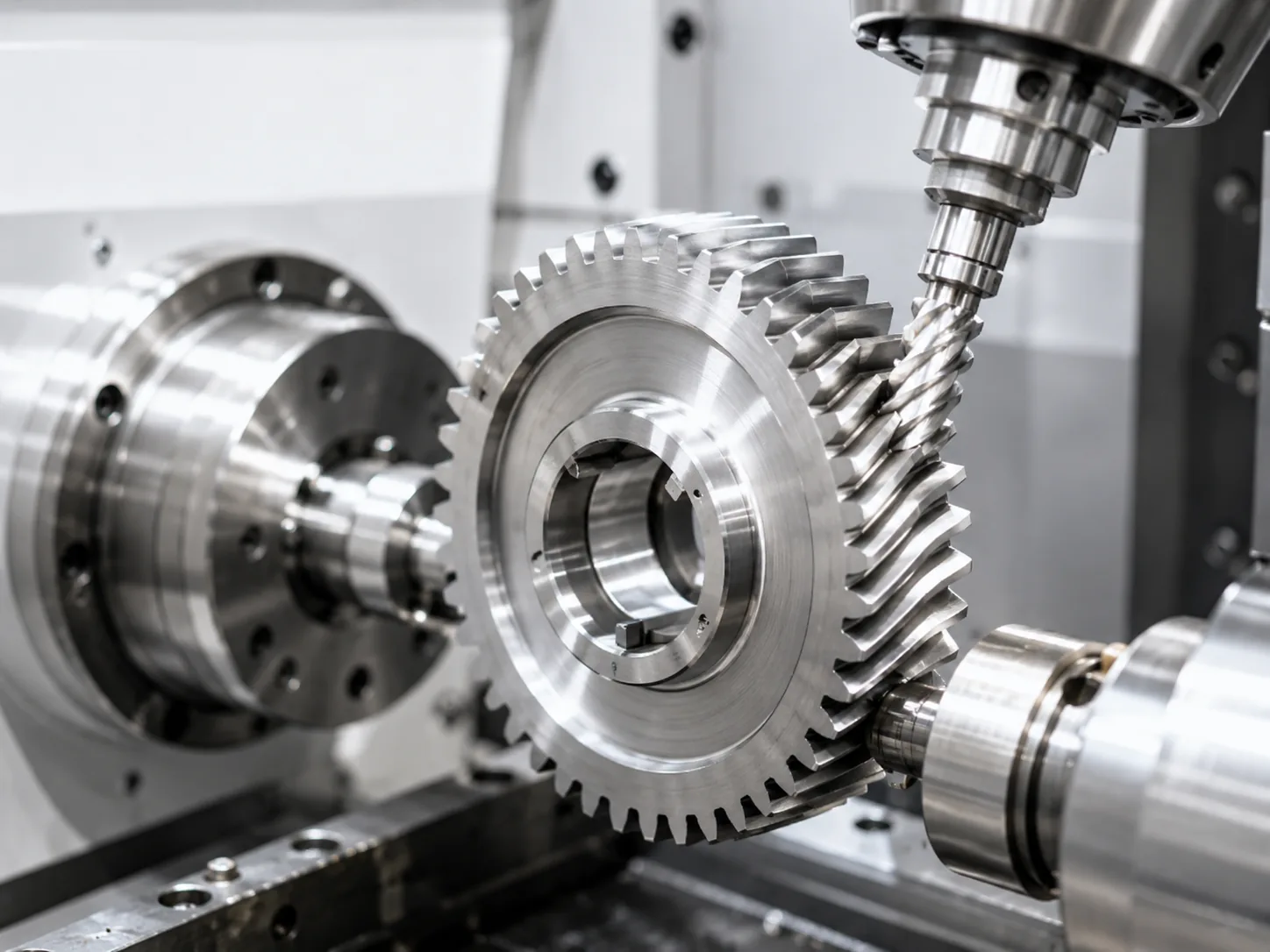
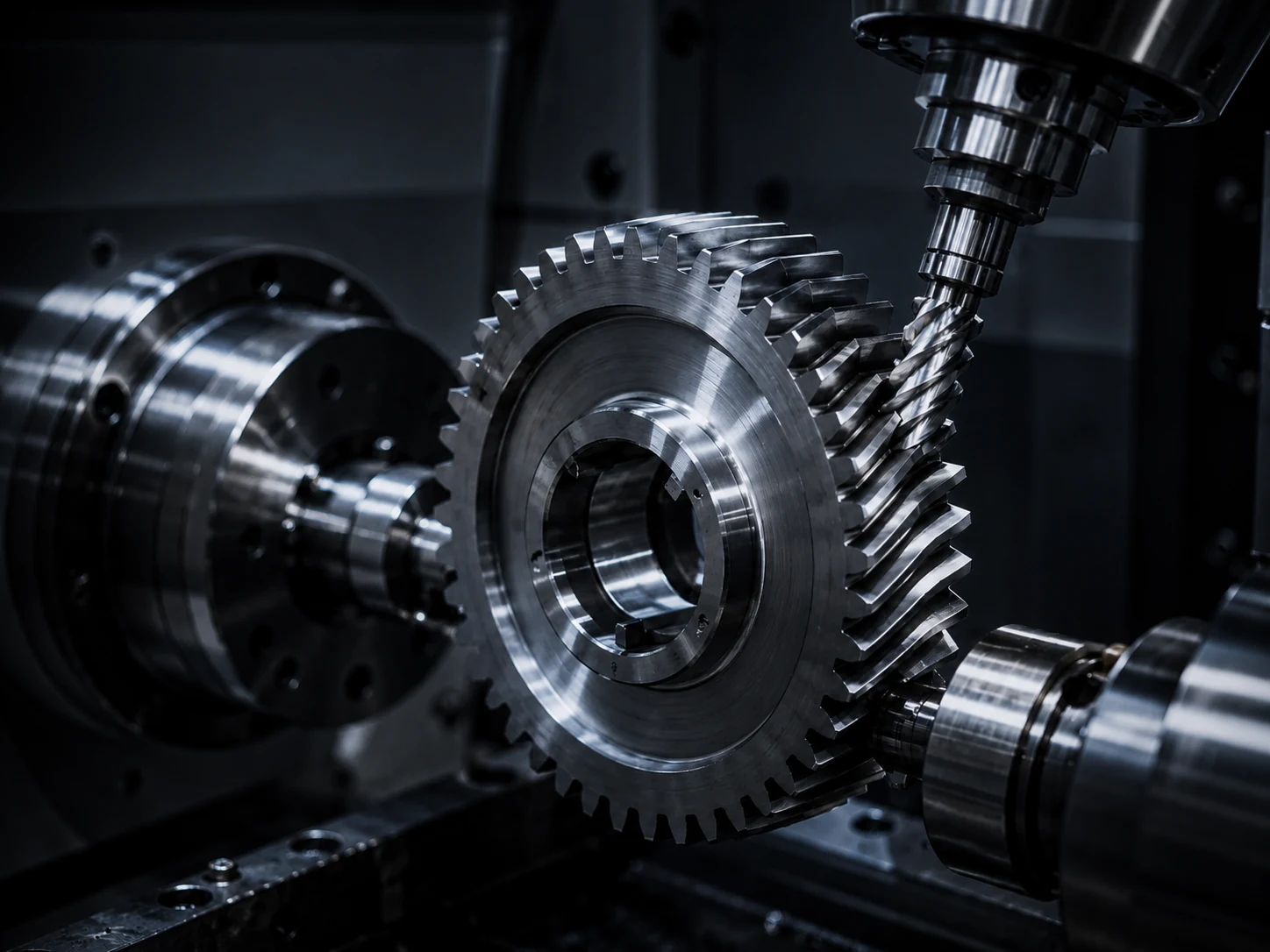
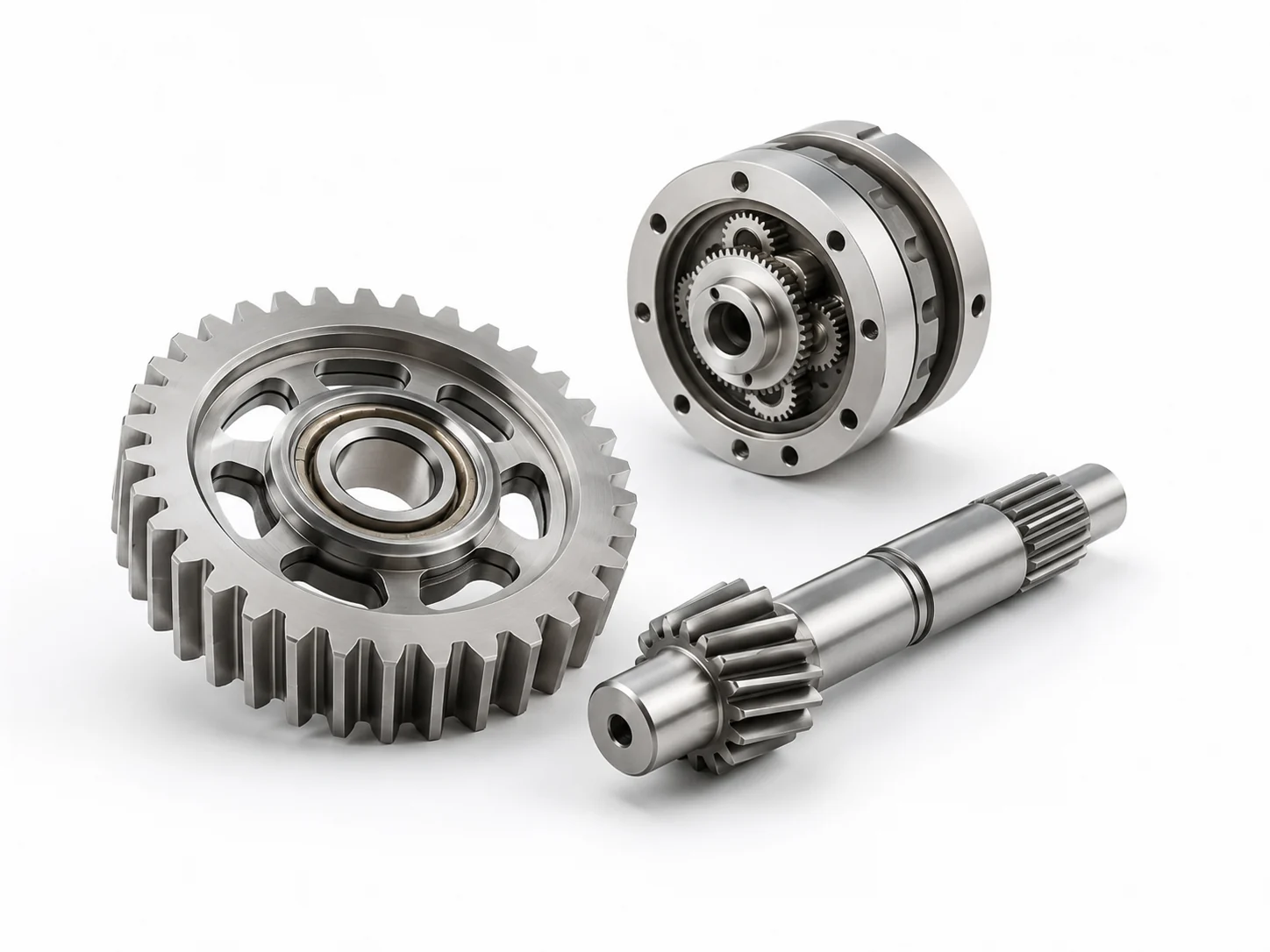
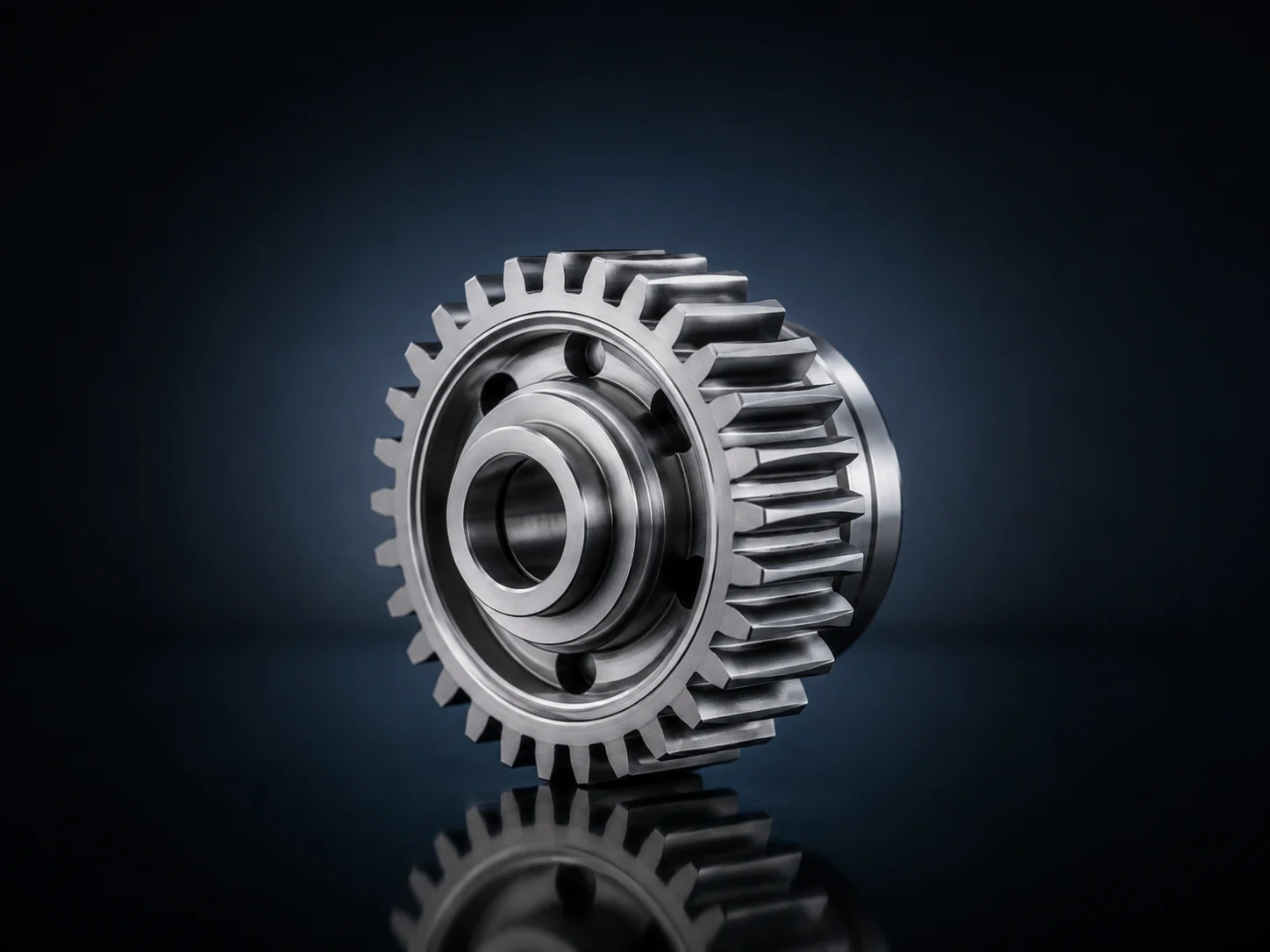
Precision gear and special-profile machining

GEAR & PROFILE MACHINING

Gear & Profile Machining

For gears, splines and precision transmission components, with focus on tooth accuracy, fit and assembly stability.

  • Gear accuracy and meshing control
  • Spline and special-profile machining
  • Machining accuracy and assembly stability

PART STRUCTURE & PROCESS SELECTION

How Should the Machining Process Be Selected?

The machining route is selected according to part geometry, datums, material, precision and production volume, balancing process stability, efficiency and manufacturing cost.

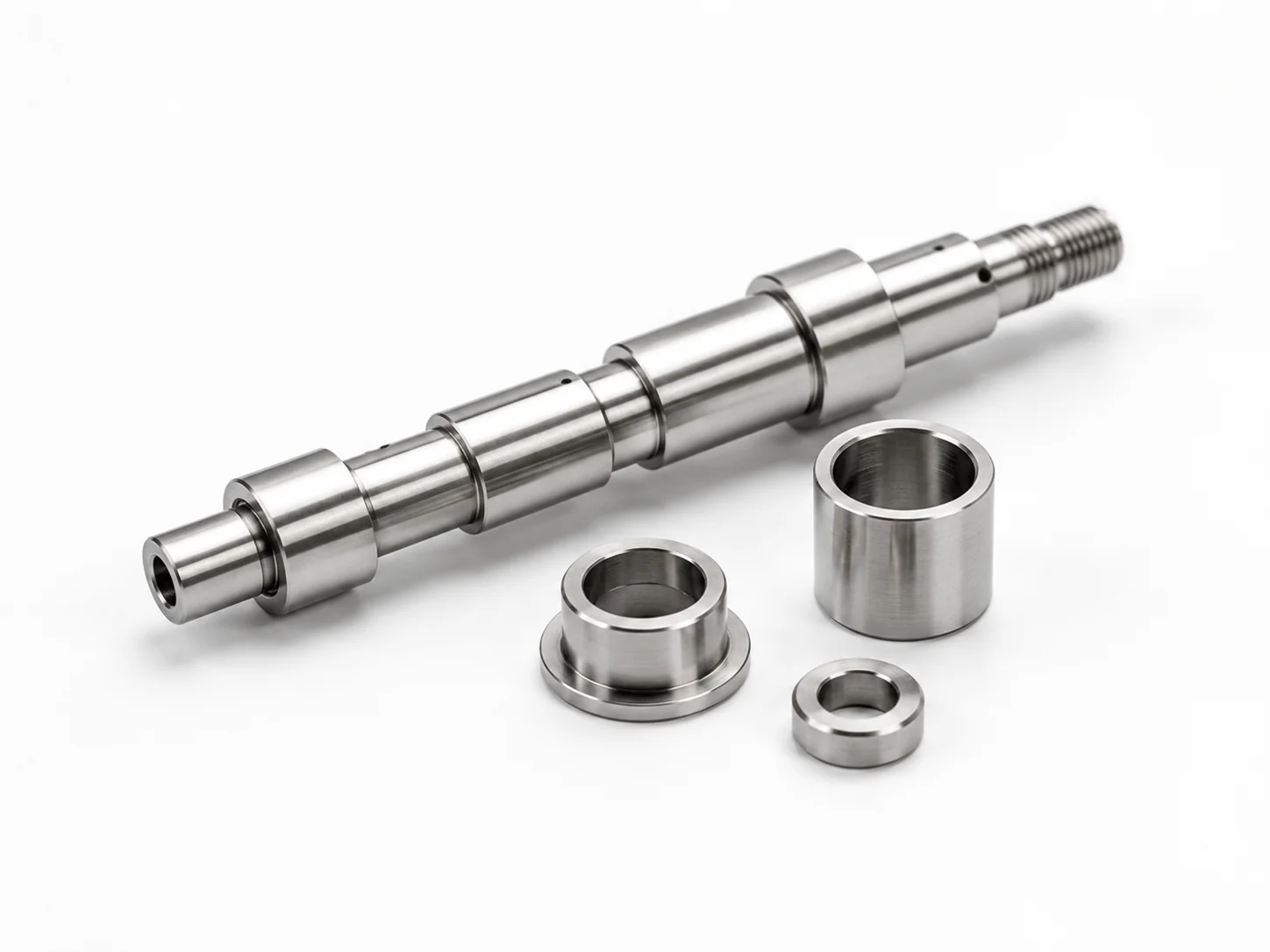
Precision shafts and sleeve components

Shafts & Sleeves

Recommended process:
CNC turning / Swiss-type machining
Key controls:
Concentricity, roundness, runout and surface roughness

Typical applications

Robot joint shafts Liquid-cooling valve parts
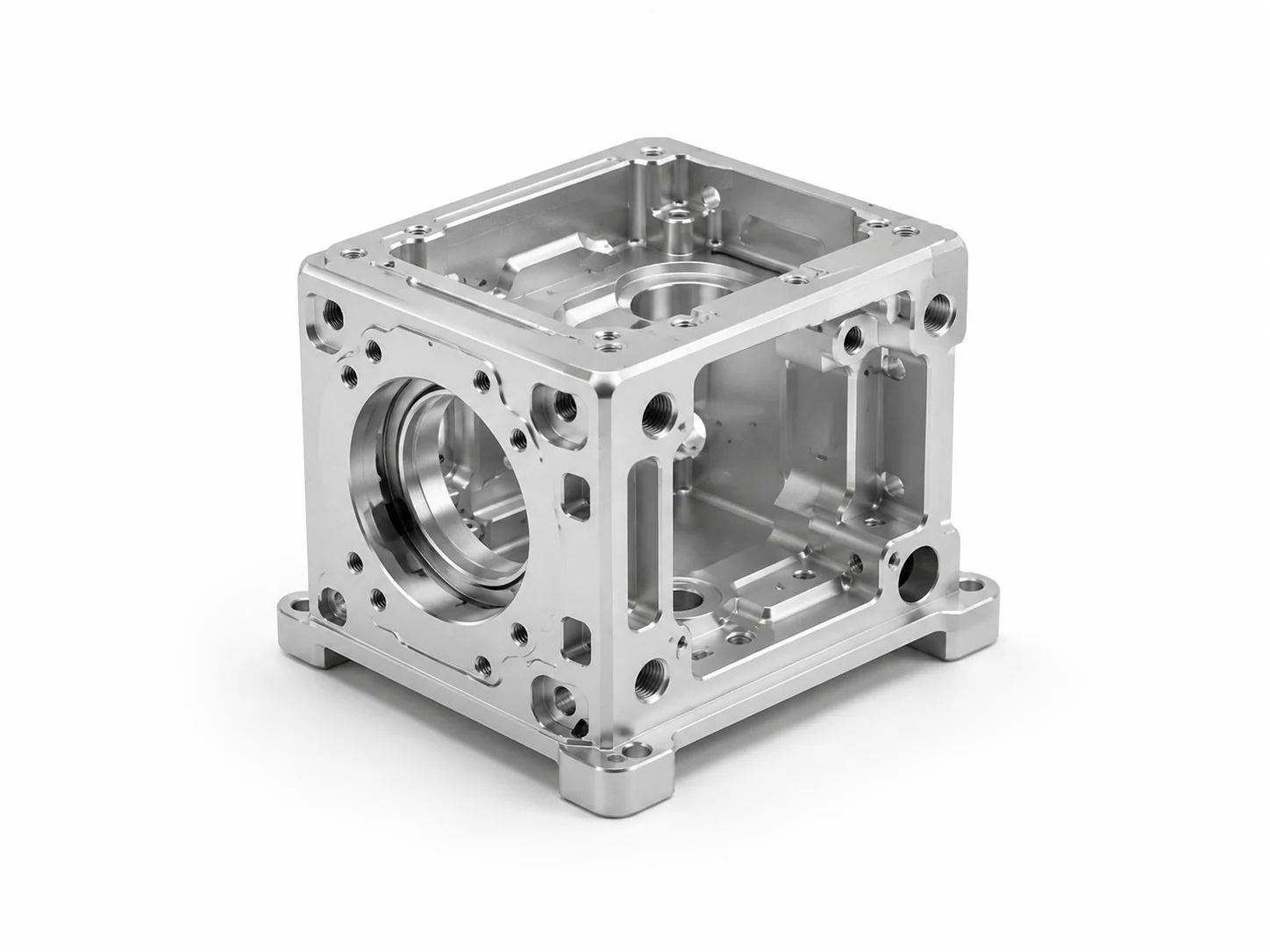
Precision housing and frame component

Housings & Frames

Recommended process:
Machining center
Key controls:
Datum relationships, hole position, flatness and cavity dimensions

Typical applications

Robot joint housings Optical module structures
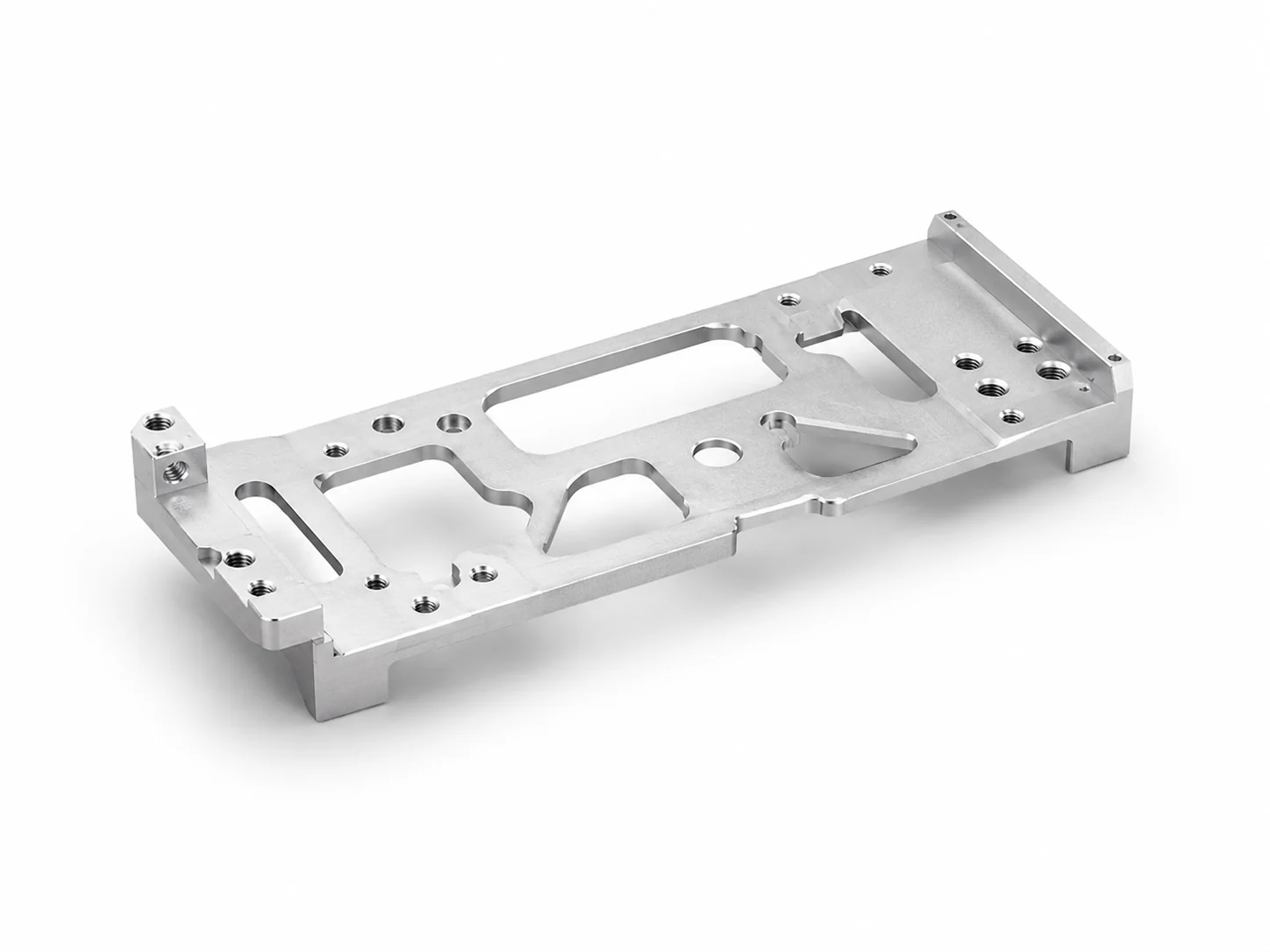
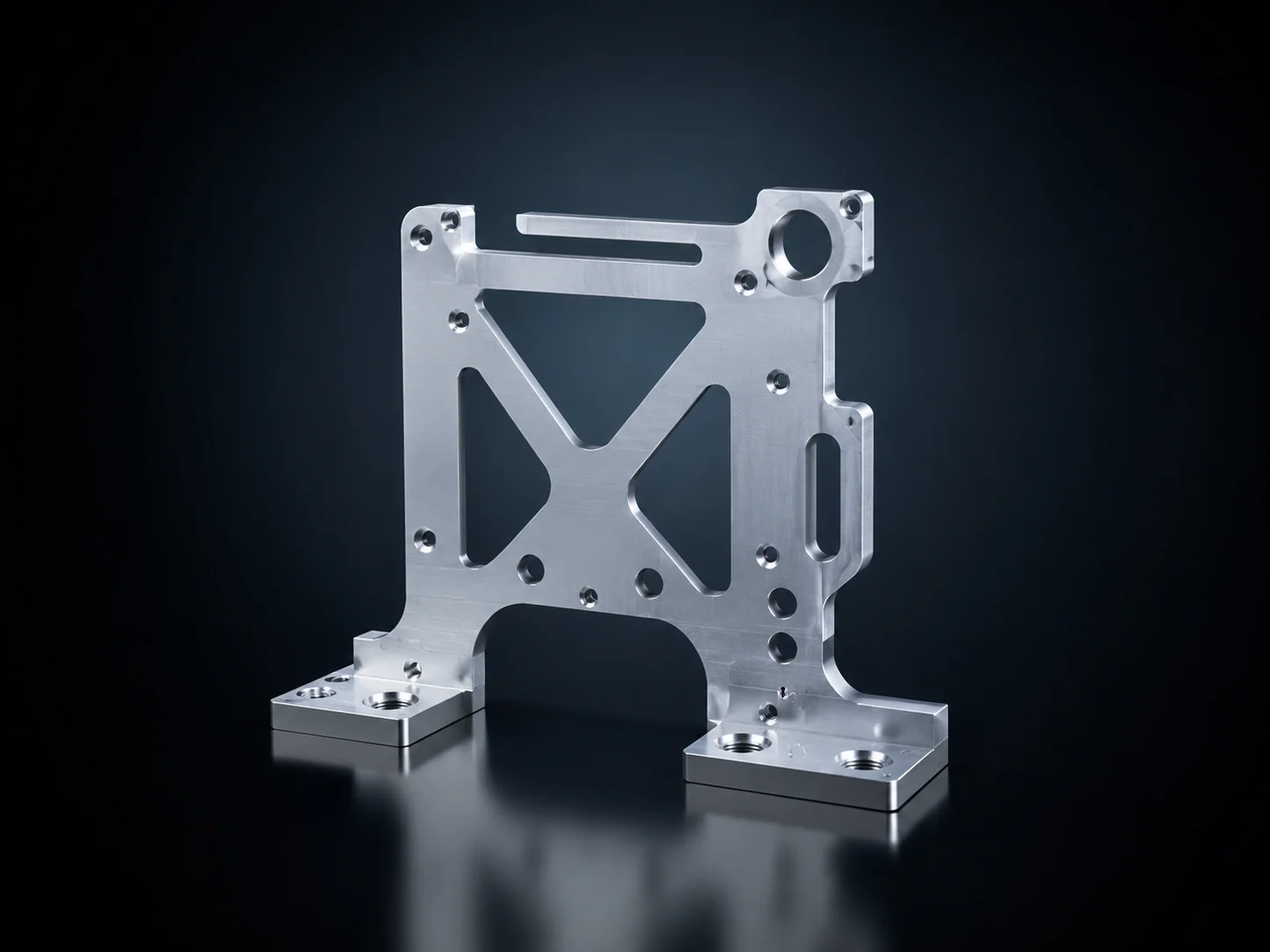
Lightweight precision plate and bracket

Plates & Brackets

Recommended process:
Machining center
Key controls:
Flatness, hole position, thin-wall deformation and edge quality

Typical applications

Liquid-cooling mounts Optical thermal brackets
Small slender precision components

Small Slender Parts

Recommended process:
Swiss-type precision machining
Key controls:
Length-to-diameter ratio, deformation, dimensional stability and finish

Typical applications

Robot precision shafts Optical connectors
Precision gears and transmission components

Gears & Transmission Parts

Recommended process:
Gear machining / CNC composite machining
Key controls:
Tooth profile, lead, meshing condition and assembly fit

Typical applications

Robot reducers Actuator transmission parts Fishing reel gears & shaft systems
Multi-process precision structural component

Multi-Process Components

Recommended process:
Turning, MC and coordinated operations
Key controls:
Datum consistency, tolerance chains, deformation and process transitions

Typical applications

Liquid-cooling housings Robot functional structures

ENGINEERING TO PRODUCTION

From Engineering Review to Stable Production

Based on drawing requirements, CTQ characteristics and production targets, the project moves through material confirmation, process planning, first-article validation, pilot production and stable mass production.

01

Drawing & CTQ Review

Review dimensions, tolerances, datums, materials, surface requirements and critical quality characteristics to identify manufacturing risks.

Output:Engineering review result

02

Material & Blank Confirmation

Confirm material grade, condition, blank form, machining allowance and required heat treatment or pretreatment.

Output:Material and blank plan

03

Process & Fixture Design

Define machining datums, clamping methods, process sequence, tooling and in-process controls for critical dimensions.

Output:Process and fixture plan

04

First-Article Machining

Machine the first article and verify critical dimensions, geometric tolerances and functional requirements.

Output:First-article inspection report

05

Pilot Production

Validate cycle time, tool life, clamping stability and process capability for critical characteristics through a pilot batch.

Output:Pilot and capability report

06

Production & Batch Control

Run the confirmed process with patrol inspection, sampling inspection, abnormality closure and production batch records.

Output:Batch inspection and production records

REAL WORKSHOP & EQUIPMENT

Machining Workshop & Main Equipment

The machining workshop combines CNC lathes and compound machines, machining centers, Swiss-type equipment and gear-cutting machines to support stable production of rotational parts, small precision structures, gears and special profiles.

CNC machining production workshop at Zhongde Precision
Machining Production Workshop
Equipment categoryQuantityMain applications
CNC Lathes & Compound Machines36Turning, drilling, tapping, lateral machining and combined operations
Machining Centers25Milling, drilling, tapping, cavity and complex-profile machining
Swiss-Type Equipment8Batch machining of slender shafts, small-diameter and miniature parts
Gear-Cutting Equipment4Precision machining of gears, splines and special profiles
73
Machining machines
1,080 m²
Machining workshop
4
Main equipment categories

CRITICAL TO QUALITY

Which CTQs Matter Most in Precision Machining?

Precision machining requires more than checking individual dimensions. Datum relationships, geometric accuracy, fit, surface condition, deformation and batch stability must be controlled together.

Key CTQ Control Points

Datums & Position

Align design, machining and inspection datums while controlling hole position, concentricity and relative location.

Form & Runout

Control flatness, roundness, cylindricity, perpendicularity, radial runout and face runout.

Dimensions & Fit

Identify critical dimensions, tolerance zones, fit classes, assembly clearance and interference.

Surface & Edges

Control roughness, tool marks, burrs, sharp edges, chamfers and functional contact surfaces.

Thin Walls & Deformation

Manage wall thickness, clamping deformation, cutting stress, residual stress and dimensional springback.

Batch Stability

Monitor tool wear, dimensional drift, offset compensation, patrol inspection and lot consistency.

Inspection & Quality Assurance

CMM Inspection

Critical dimensions, position and geometric tolerances

Optical Projection

2D profiles, hole positions and small structures

Hardness Testing

Material condition and heat-treatment verification

Torque Testing

Assembly function and rotational resistance

Axial Play Testing

Shaft-system clearance and assembly condition

Dedicated Gauges

Rapid verification of batch dimensions and functions

Process Inspection

Dimensional trends and abnormalities during machining

Final Inspection

Shipment approval, batch traceability and records

Quality control should cover first-article approval, in-process inspection, sampling, final inspection and batch records—not only end-of-process inspection.

DOWNSTREAM OPERATIONS & RFQ

Integrated Downstream Operations & RFQ Requirements

After precision machining, parts can proceed through deburring, finishing, surface treatment, inspection and assembly. Complete RFQ information enables accurate process, lead-time and cost evaluation.

Integrated Manufacturing Process

01

Material & Blank

Grade, condition, blank form and machining allowance

02

CNC Machining

Turning, MC, Swiss-type and gear machining

03

Deburring & Finishing

Burrs, sharp edges, tool marks and functional surfaces

04

Surface Treatment

Anodizing, coating, printing and other finishes

05

Inspection & Reports

Dimensions, geometric accuracy and functional checks

06

Assembly & Delivery

Assembly, packaging, batch records and delivery

A unified engineering interface coordinates all operations to control process transitions, quality records, lead time and lot consistency.

What Information Is Required for an RFQ?

2D Drawings

PDF / DWG

3D Models

STEP / IGES

Material & Condition

Grade / heat treatment

Quantity & Stage

Sample / pilot / production

Dimensions & Datums

Tolerance / GD&T / CTQ

Interfaces & Mating Parts

Threads / fittings / fits

Assembly & Preload

Tolerance chain / preload

Surface Treatment

Anodizing / blasting / plating

Inspection & Validation

CMM / runout / full inspection

Packaging & Traceability

Protection / lot / records

For liquid-cooling sealing surfaces, robot bearing fits, gear meshing or optical-module thermal interfaces, define functional requirements, inspection methods and acceptance criteria.

Have Drawings to Review?

Upload your drawings. Our engineering team will provide a manufacturing review and quotation within 24 hours.

Upload Drawings / Get a Quote
Fast Response
Engineering Review
Data Security
Reliable Delivery
Contact Us